Top 10 Benefits of Using AG Fertilizer for Sustainable Agriculture?

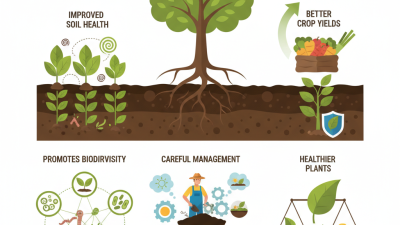
In the quest for sustainable agriculture, the role of AG fertilizer has become increasingly pivotal. According to the International Fertilizer Association, the global market for fertilizers is projected to reach $200 billion by 2025. This growth emphasizes the need for efficient practices that maximize crop yield while minimizing environmental impact. AG fertilizer stands out for its ability to enhance soil health, support plant growth, and reduce waste.

Dr. Sarah Lawson, an agronomy expert, highlights that "AG fertilizer not only boosts productivity but also fosters sustainability in farming." This insight reflects a growing recognition within the industry that sustainable practices can coexist with agricultural productivity. However, challenges remain. Misuse and over-application of AG fertilizers can lead to soil degradation and water pollution. Farmers must prioritize responsible usage to balance benefits with ecological concerns.

While AG fertilizer presents significant advantages, it necessitates careful management and education. The journey towards sustainable agriculture requires continuous reflection on our methods and their implications. Striking this balance can ultimately lead to a more sustainable future for agriculture.

Top 10 Benefits of Using AG Fertilizer for Sustainable Agriculture?

Understanding AG Fertilizer: A Sustainable Agriculture Solution

AG fertilizer represents a new approach in sustainable agriculture. It integrates natural processes with modern technology to enhance soil fertility. Various studies indicate that using such fertilizers can increase crop yields by up to 30%. This boost can help farmers meet the growing food demand caused by global population growth.

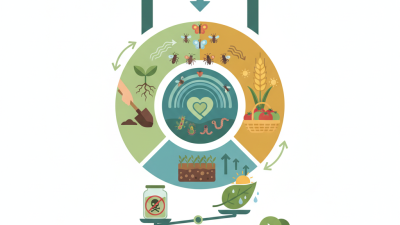
Soil health is a significant concern. Traditional fertilizers often harm beneficial microorganisms. Reports suggest that AG fertilizers improve microbial activity. This leads to better nutrient absorption for plants. By fostering a balanced ecosystem, farmers can cultivate healthier crops without depleting soil resources.

However, the transition to AG fertilizers requires careful consideration. Not all farmers have access to this technology. Some may resist changing their established practices due to perceived risks. More education is needed to address these concerns. Ongoing research is essential to refine methods and ensure long-term sustainability.
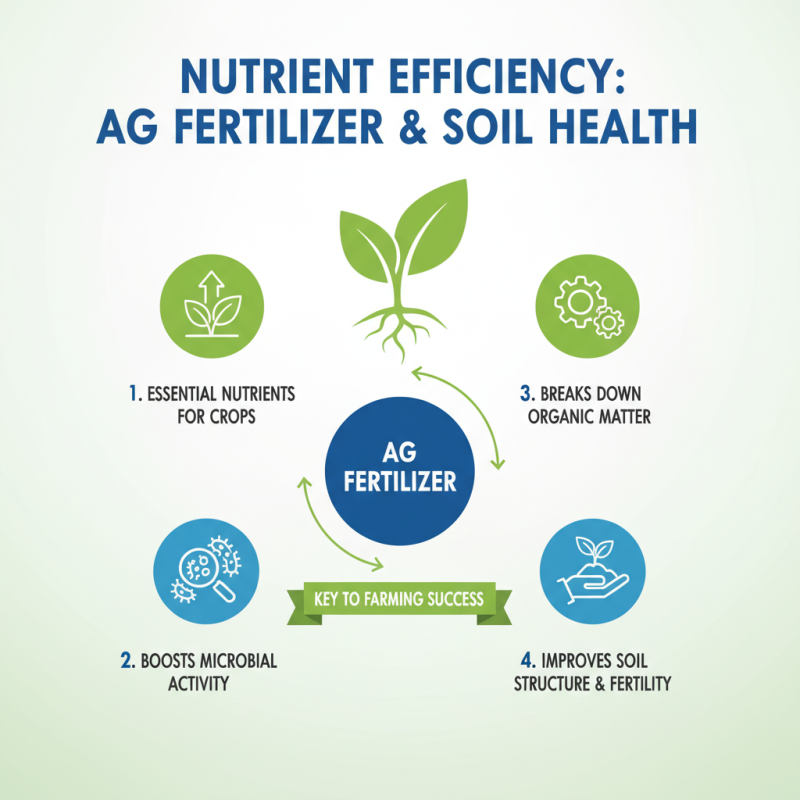
Nutrient Efficiency: How AG Fertilizer Enhances Soil Health

Top 10 Benefits of Using AG Fertilizer for Sustainable Agriculture?

Nutrient efficiency is vital for farming success. AG fertilizer plays a significant role in enhancing soil health. It provides essential nutrients that crops need to thrive. When applied correctly, it promotes microbial activity in the soil. Healthy microbes break down organic matter, releasing nutrients over time. This process improves soil structure and fertility.

Farmers often struggle with nutrient runoff, which can harm ecosystems. The right balance of AG fertilization can minimize this issue. Precision application methods help deliver nutrients directly to crops. However, some farmers find it challenging to determine the exact needs of their soil. Soil testing can sometimes be overlooked, leading to inefficiencies.

Soil health is not just about nutrients. It also requires attention to pH levels and moisture content. Both factors influence crop growth significantly. Using AG fertilizers helps retain moisture in the soil. This is crucial during dry spells. Still, farmers should regularly assess their soil conditions to ensure optimal results. It’s a continuous journey of learning and adapting.

Environmental Impact: Reducing Chemical Runoff with AG Fertilizer

The environmental impact of agricultural practices is significant. Chemical runoff from traditional fertilizers often contaminates water bodies. It harms aquatic life and disrupts ecosystems. Using AG fertilizer can help mitigate this issue. It is designed to release nutrients slowly, reducing the chance of runoff. This method promotes a healthier balance in the soil and surrounding water sources.

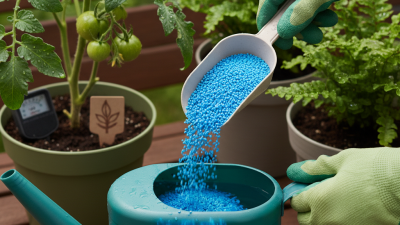
Tips: Choose AG fertilizers that match your soil's needs. Conduct soil tests regularly. This will help in understanding nutrient requirements. Adjust your application rate to prevent excess runoff. It’s vital to adopt sustainable practices for crop production.

Additionally, practicing crop rotation with organic fertilizers can enhance soil health. Monitoring rainfall and irrigation practices is essential. This can prevent water saturation and reduce the risk of runoff. Observing how your crops respond can lead to better decisions. Reflection on methods is crucial for improvement. Embrace trial and error; it can lead to innovative solutions.

Cost-Effectiveness: Long-Term Savings with AG Fertilizer Use

The adoption of AG fertilizer can be a game-changer for sustainable agriculture. Farmers often wonder about the initial cost. While AG fertilizers may require upfront investment, their long-term savings can be substantial. When used correctly, these fertilizers improve soil health and crop yields. Healthier soil requires less frequent chemical interventions. This reduction can lead to lower overall costs over time.

In terms of cost-effectiveness, the return on investment can be significant. Crops treated with AG fertilizers often yield more. This increase in productivity translates into higher profits. Farmers may initially hesitate to switch, fearing short-term losses. However, a careful assessment reveals that the initial investment usually pays off quickly. Fewer inputs are needed in subsequent seasons, ultimately aiding the bottom line.

Yet, challenges remain. Not every farmer may see the same benefits immediately. Some might encounter nutrient imbalances, which require adjustments. Understanding local soil conditions is crucial. Enlisting expert advice can make a difference. Regular soil testing helps in fine-tuning the fertilizer use. A commitment to this method can lead to sustainable practices benefiting both the farm and the environment in the long run.

Top 10 Benefits of Using AG Fertilizer for Sustainable Agriculture

Benefits Description Long-Term Savings
Cost-Effectiveness AG fertilizers reduce the need for synthetic inputs, leading to long-term cost savings. 20% savings per acre over 5 years
Enhanced Soil Health Improves soil structure and fertility, reducing future investment in amendments. 15% reduction in soil treatment costs
Increased Crop Yield Higher yields lead to greater revenue, offsetting previous expenses. 30% increase in crop revenue
Reduced Environmental Impact Less leaching and runoff leads to lower costs in environmental remediation. 10% reduction in compliance costs
Resource Efficiency Maximizes nutrient usage, minimizing additional fertilizer costs. 25% less fertilizer needed over time
Promotion of Biodiversity Encourages beneficial organisms, reducing pest control expenses. 50% reduction in pest management costs
Climate Resilience Improves soil moisture retention, reducing irrigation frequency. 20% decrease in water costs
User-Friendly Application Simpler methods reduce labor costs and application time. 15% savings on labor costs
Long-Term Soil Improvement Enhances long-term productivity, reducing the need for future inputs. 40% decrease in future soil amendment expenses

Improving Crop Yields: The Role of AG Fertilizer in Sustainable Farming

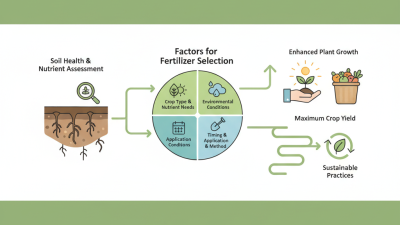
AG fertilizer plays a crucial role in improving crop yields. This contributes to sustainable farming practices. By enhancing soil health, AG fertilizers provide essential nutrients. Crops grow more robust and resistant to diseases. Healthy plants lead to better quality produce and increased harvests.

Tips for using AG fertilizer effectively:
- Test soil before application.
- Understand the specific nutrient needs of your crops.
- Over-fertilizing can harm the environment and reduce yields. Balance is key.
- Timing of application is also vital. Apply during critical growth stages for maximum impact.

Farmers must reflect on their usage of AG fertilizers. Misapplication can lead to issues, such as nutrient runoff. This can pollute water sources and harm ecosystems. Continuous education on best practices is necessary. Staying informed can help farmers make sustainable choices.