2026 Top Agricultural Fertilizer Trends for Global Buyers?
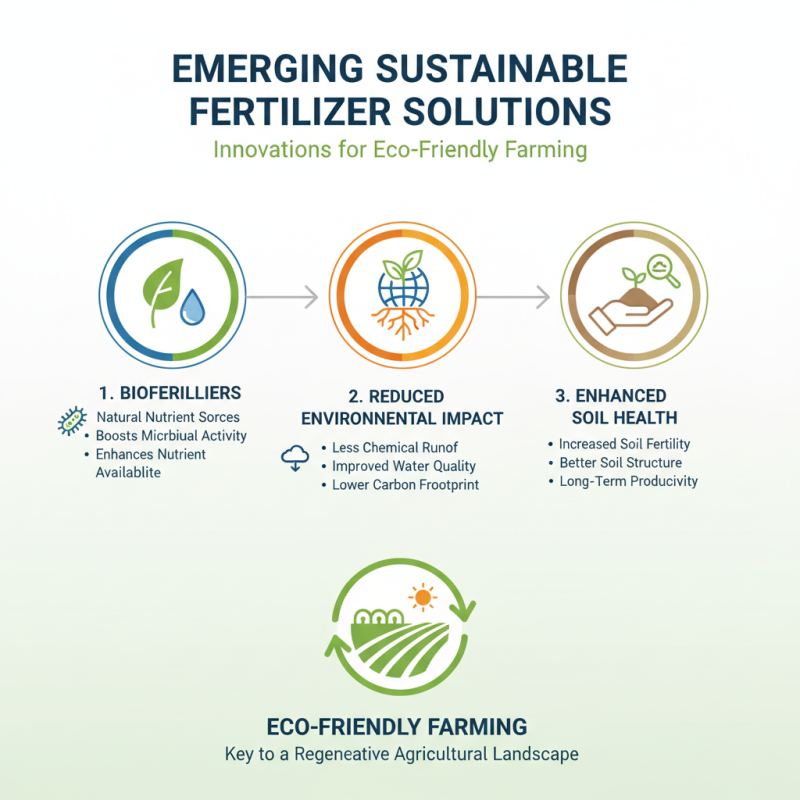
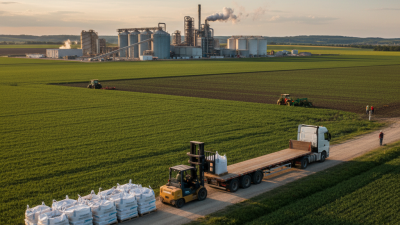
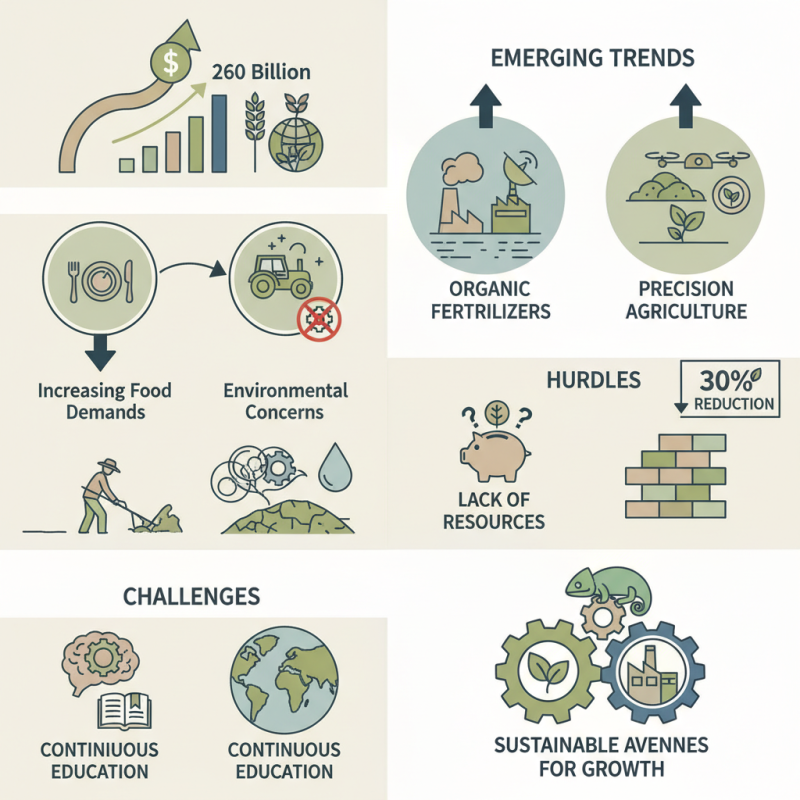
The agricultural fertilizer industry is rapidly evolving. According to the latest report by Statista, the global market for agricultural fertilizers is projected to reach $260 billion by 2026. This growth is driven by increasing food demands and innovative farming practices. However, challenges persist. Soil degradation and environmental concerns put pressure on the industry to adopt sustainable practices.
Emerging trends include the rise of organic fertilizers and precision agriculture. Organic fertilizers are gaining traction as consumers seek healthier food options. Meanwhile, precision agriculture uses technology to optimize fertilizer applications. A report by Research and Markets points out that precision agriculture can reduce fertilizer use by up to 30%. Despite these advancements, the transition is not without hurdles. Many farmers still rely on traditional methods out of habit or lack of resources.
As global buyers navigate these trends, understanding the agricultural fertilizer landscape is crucial. Continuous education and adaptability will be key in addressing both market demands and environmental impacts. Businesses must reflect on their practices and explore sustainable avenues for growth. The agricultural fertilizer sector faces a transformative period, requiring innovation and commitment from all stakeholders.
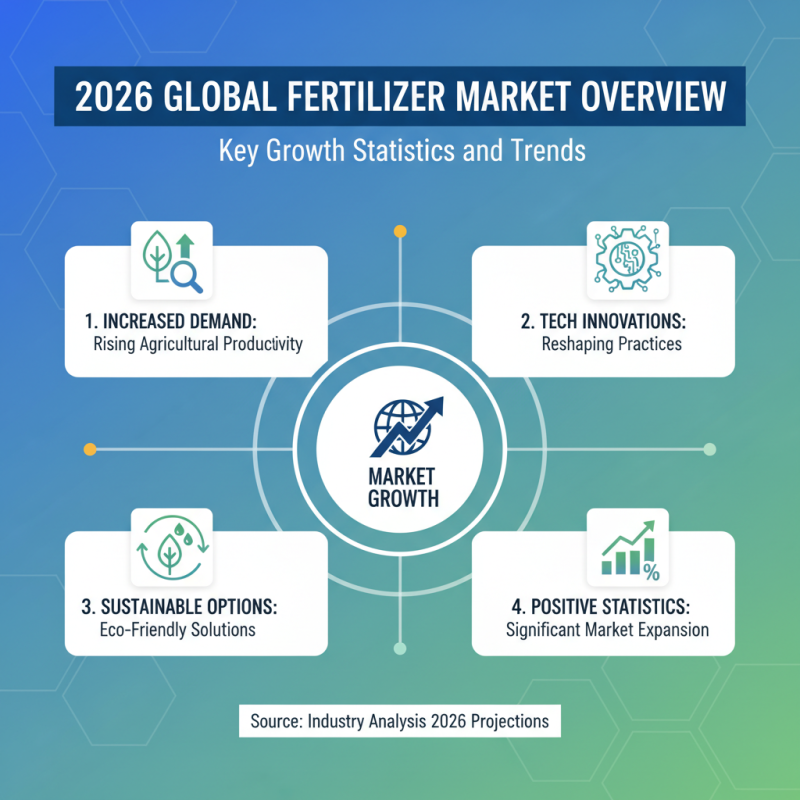
2026 Global Fertilizer Market Overview: Key Growth Statistics and Trends
The global fertilizer market is set for significant growth in 2026. Key statistics indicate an increase in demand driven by rising agricultural productivity needs. Emerging technologies are reshaping traditional practices. Sustainable options are becoming more popular, emphasizing eco-friendly solutions.
Investors should consider the trends in precision agriculture. This approach utilizes data analytics to optimize fertilizer usage. It reduces waste and boosts efficiency. Adapting these methods can yield better crop outcomes.
Also, buyers should pay attention to shifting regulations. Governments are increasingly enforcing policies promoting sustainable practices. Compliance may become a factor in supply chain decisions. Ensuring products meet these guidelines is crucial for long-term viability.
Tips: Always analyze market reports to stay updated. Engage with agricultural experts for insights. Consider diversifying your sourcing strategies to mitigate risks related to supply chain disruptions. The fertilizer landscape is complex, and ongoing education is essential for success.
Precision Agriculture: The Role of Data-Driven Fertilizer Applications
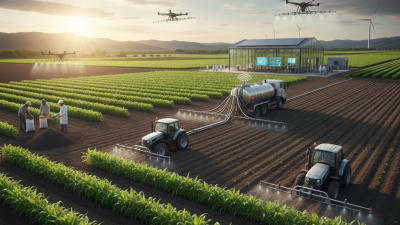
Precision agriculture is transforming how fertilizers are applied globally. Data-driven applications allow farmers to customize their usage based on real-time insights. According to a report by the International Fertilizer Association, precision agriculture can reduce fertilizer usage by up to 30%. This not only enhances crop yield but also minimizes environmental impact.
Farmers now rely on technologies like satellite imagery and soil sensors. These tools provide actionable data on nutrient levels. A study from AgFunder states that precision agriculture can improve farm productivity by 15-25%. However, challenges remain. Many farmers may lack technical skills or access to necessary technologies. This gap can hinder widespread adoption, highlighting a need for training and resources.
Moreover, while data-driven applications are effective, they can be expensive to implement. Initial costs may deter smallholders. According to a recent USDA report, only 12% of small farms are currently using precision technology. The industry must address these disparities to ensure equitable access to these innovative solutions. Investing in supportive infrastructure is crucial for farmers to fully reap the benefits of precision agriculture.
Demand Forecasting: Regional Trends Impacting Fertilizer Supply Chains
As agricultural sustainability gains momentum, demand forecasting becomes crucial for efficient fertilizer supply chains. The FAO underscores that global fertilizer consumption is projected to reach 200 million metric tons by 2026. This surge is driven by increasing food production needs, particularly in Asia and Africa. Regional demand varies significantly, with Africa's fertilizer use per hectare still lagging behind global averages. Addressing this gap is vital for enhancing crop yields in the region.
The fluctuating prices of raw materials impact fertilizers heavily. A recent report by the IFA highlighted that raw material prices have risen by 40% in the last year alone. Such volatility can disrupt supply chains, especially for emerging markets. Precise demand forecasting can help mitigate these challenges. By analyzing regional market trends, buyers can better manage inventory and minimize risks associated with price shifts.
Tip: Stay informed about regional agricultural policies. Understanding local regulations can guide your purchasing strategies.
Furthermore, integrating technology in forecasting can enhance accuracy. Predictive analytics can optimize supply levels and lower costs. However, reliance on technology must be balanced with market insight. Continuous evaluation is necessary to adapt to changing conditions.
Tip: Regularly assess your suppliers' reliability. Establishing strong relationships can lead to more resilient supply chains.
Regulatory Trends: Impact of Policy Changes on Fertilizer Usage in 2026
As we approach 2026, regulatory trends in agricultural fertilizer policy are gaining prominence. Governments worldwide are overhauling regulations to enhance sustainability in farming practices. A report by the Food and Agriculture Organization suggests that over 45% of countries plan stricter regulations by 2026. This shift is partly driven by the need to reduce carbon footprints associated with fertilizers.
The impact of policy changes is significant. For instance, stricter nutrient management plans may be required to limit oversaturation in soil. Farmers could face challenges in adapting to these new guidelines. The 2022 Global Fertilizer Industry Report observed that nearly 70% of fertilizer users expressed concerns about compliance. Many still rely on traditional practices, which may not align with upcoming regulations.
Policy changes can also reshape market dynamics. Organizations forecast an increase in organic fertilizers' market share by up to 35% in the next five years. This growth reflects shifting consumer preferences and environmental regulations pushing for greener solutions. Despite these trends, farmers often struggle with the transition costs associated with adopting new fertilizer technologies. This complex landscape calls for continued dialogue among stakeholders to navigate the evolving regulatory environment effectively.
2026 Top Agricultural Fertilizer Trends for Global Buyers
| Trend |
Description |
Impact on Usage (%) |
Key Regions Affected |
| Sustainable Fertilizers |
Increased demand for eco-friendly options like organic fertilizers. |
25% |
North America, Europe |
| Smart Fertilizer Applications |
Integration of precision agriculture technology to optimize fertilizer use. |
30% |
Asia, Oceania |
| Regulatory Changes |
New policies limiting harmful chemicals and promoting safer alternatives. |
15% |
Europe, Latin America |
| Biostimulants |
Growing interest in products that enhance plant growth and nutrient uptake. |
20% |
North America, Asia |
| Supply Chain Resilience |
Adjusted supply chains to minimize disruptions and ensure steady fertilizer availability. |
10% |
Global |