Discover the Benefits of Nano Fertilizer for Global Agriculture?
The agricultural sector is facing unprecedented challenges. Climate change, soil degradation, and population growth demand innovative solutions. Nano fertilizers have emerged as a promising option. According to a recent report by Research and Markets, the global nano fertilizer market is projected to reach $2.5 billion by 2027. This growth demonstrates the increasing interest and investment in nano technologies for agriculture.
Dr. Emily Johnson, a leading expert in agricultural sciences, emphasized the significance of this innovation. She stated, “Nano fertilizers offer a way to enhance nutrient uptake and reduce environmental impact.” This highlights the dual benefit of addressing food security and sustainability. Nano fertilizers can increase crop yields while minimizing waste. However, there are still concerns regarding long-term effects and efficiency.
It’s crucial to examine the efficacy of nano fertilizers critically. While they show promise, questions about their long-term impact on soil health and biodiversity remain. Continuous research is essential. The agriculture industry must ensure that these advancements benefit both farmers and the environment without unintended consequences. The journey toward integrating nano fertilizers into global agriculture is both exciting and complex.

Understanding Nano Fertilizers: Definition and Composition
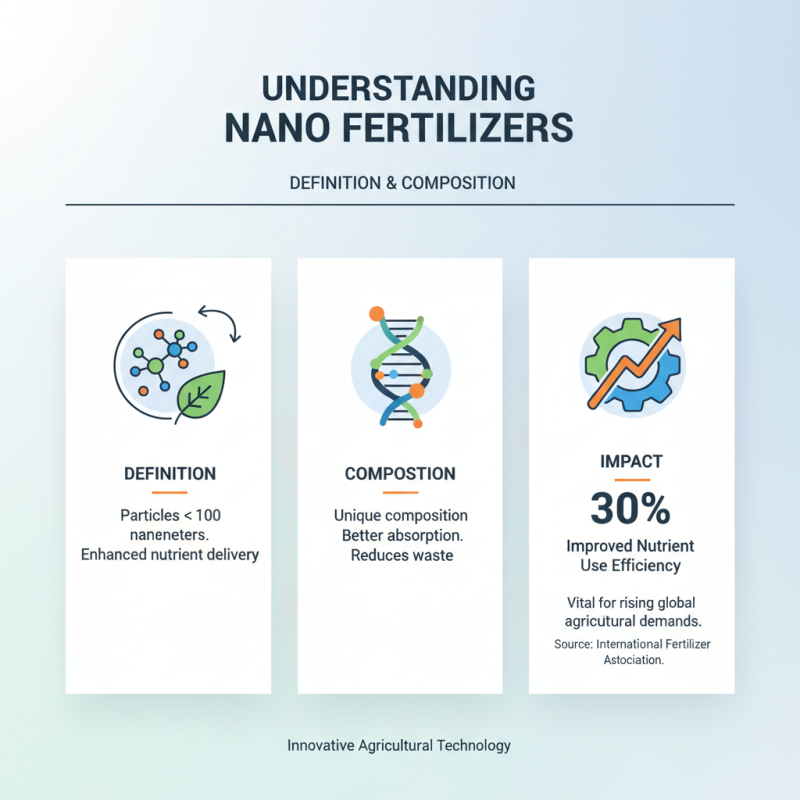
Nano fertilizers represent an innovative leap in agricultural technology. They consist of particles smaller than 100 nanometers, enhancing nutrient delivery to plants. This unique composition allows for better absorption, reducing waste. According to a report from the International Fertilizer Association, nano fertilizers can improve nutrient use efficiency by up to 30%. This efficiency is vital as global agricultural demands rise.
Understanding the composition of nano fertilizers is essential. They often include essential minerals like nitrogen, phosphorus, and potassium, enhanced with nanomaterials. These materials help stabilize nutrients and promote slow release. A 2022 research study found that using nano fertilizers can boost crop yield by 20% compared to conventional fertilizers. However, there is still ongoing research about their long-term impacts on soil health.
Tips: Consider testing nano fertilizers in smaller plots before large-scale application. Monitor plant responses closely. This approach helps assess the effectiveness without significant investment. Keep in mind that while nano fertilizers show promise, some research indicates potential environmental risks. Continuous adaptation and awareness are critical in this evolving field.
The Science Behind Nano Fertilizers: Mechanisms of Action
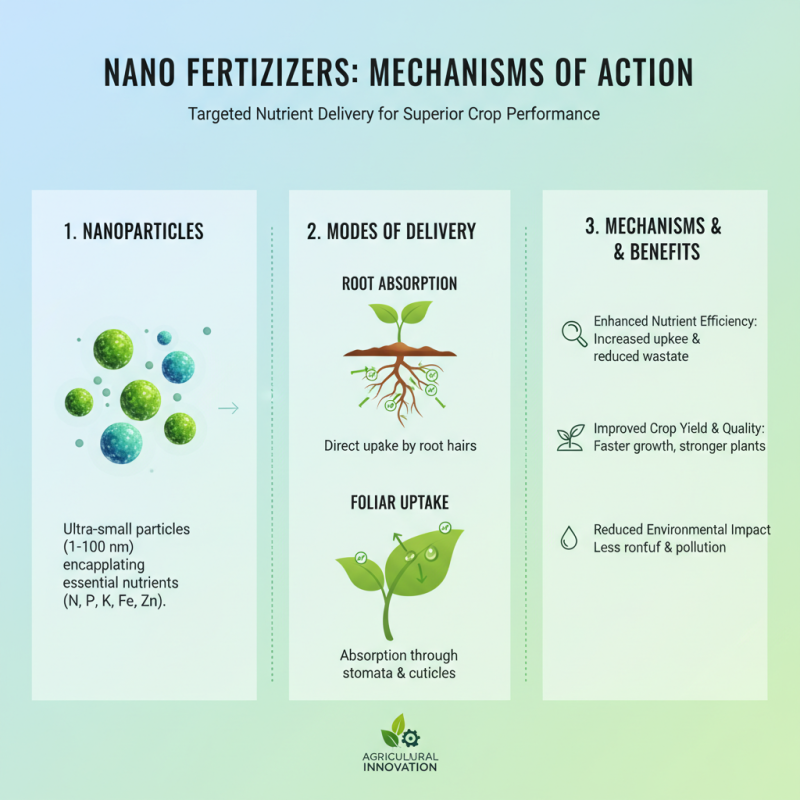
Nano fertilizers have gained attention for their innovative approach to enhancing agricultural productivity. The science behind them lies in their unique mechanisms of action. These fertilizers utilize nanoparticles to deliver essential nutrients directly to plant roots and leaves. This targeted delivery promotes better absorption, improving nutrient efficiency in crops.
Nanoparticles can penetrate plant cell membranes. This leads to increased metabolic activity and accelerated growth. Studies show that plants treated with nano fertilizers exhibit enhanced photosynthesis and improved stress tolerance. However, research is still ongoing. There are concerns about long-term impacts and potential phytotoxicity.
Moreover, understanding the release mechanisms of these fertilizers is crucial. Controlled release can prevent nutrient leaching and reduce environmental pollution. Yet, nanotechnology in agriculture must be approached with caution. Regulatory frameworks are still developing, and there are gaps in our knowledge. Scientists continue to investigate these effects to ensure safety and efficacy in real-world applications.
Comparative Advantages of Nano Fertilizers Over Conventional Options
Nano fertilizers bring numerous advantages to agriculture. They enhance nutrient absorption in plants, leading to better crop yields. The smaller particle size allows these fertilizers to penetrate plant tissues more easily. This targeted delivery means less fertilizer is needed overall.
Conventional fertilizers often lead to nutrient runoff and soil degradation. Nano fertilizers minimize these risks by providing nutrients in a controlled manner. Farmers can use smaller quantities, reducing environmental impact. This precision approach can result in healthier soils over time.
While the benefits are clear, challenges remain. The long-term effects of nano fertilizers on ecosystems are still being studied. There is a need for more research to fully understand their sustainability. Balancing efficiency with environmental responsibility is essential. Questions arise about the potential for over-reliance on nano fertilizers in farming practices.
Environmental Impact and Sustainability of Nano Fertilizers
The utilization of nano fertilizers in agriculture is gaining momentum, particularly for their environmentally friendly characteristics. According to the Food and Agriculture Organization, these fertilizers can boost nutrient efficiency by over 30%. This implies that farmers could use smaller quantities while still achieving higher crop yields. Moreover, nano fertilizers can significantly reduce soil and water contamination. Reports indicate that their application lowers the risk of leaching harmful chemicals into groundwater, presenting a safer alternative in agricultural practices.
Sustainability is at the core of the nano fertilizer movement. They help minimize the carbon footprint associated with traditional fertilizers. A study published in the Journal of Cleaner Production highlighted that adopting nano fertilizers can lead to a 20% reduction in greenhouse gas emissions in farming. However, it's important to acknowledge that the long-term environmental impact of widespread nano fertilizer use remains under research. Understanding soil microbiomes' responses to these substances is crucial. As we explore this innovative path, careful monitoring and assessment will ensure that we maximize benefits while mitigating potential ecological risks.
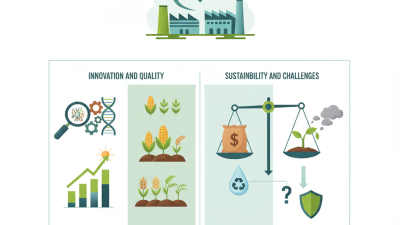
Future Prospects: Innovations and Challenges in Nano Fertilizer Use
The use of nano fertilizers is gaining traction in global agriculture. Research suggests they can increase crop yield by up to 30%. This is attributed to improved nutrient absorption. Nano fertilizers enhance soil health and reduce the need for chemical inputs. Notably, they can promote sustainable farming practices. However, challenges persist in their widespread adoption.
One major concern is the lack of regulatory frameworks. The technology is still evolving, and safety studies are ongoing. Governmental bodies are grappling with how to assess the long-term impacts of nano fertilizers. Reports indicate that many farmers remain skeptical. Their hesitance stems from insufficient knowledge about application methods and outcomes. Education and training are crucial to ease these uncertainties.
Innovation in this field is promising but requires cooperation between scientists and farmers. Field trials have shown mixed results. Some crops respond well, while others do not. Understanding the variability in effectiveness is vital. Collaborative research can address these gaps. It is essential to refine the application processes. As we look ahead, the integration of nano fertilizers could redefine agricultural practices. They might emerge as a key player in addressing food security challenges.
Global Adoption of Nano Fertilizers in Agriculture
This chart illustrates the increasing global adoption rate of nano fertilizers from 2018 to 2022, highlighting the growing recognition of their benefits in enhancing agricultural productivity and sustainability.