How is Organic Fertilizer Production Beneficial for Farming?
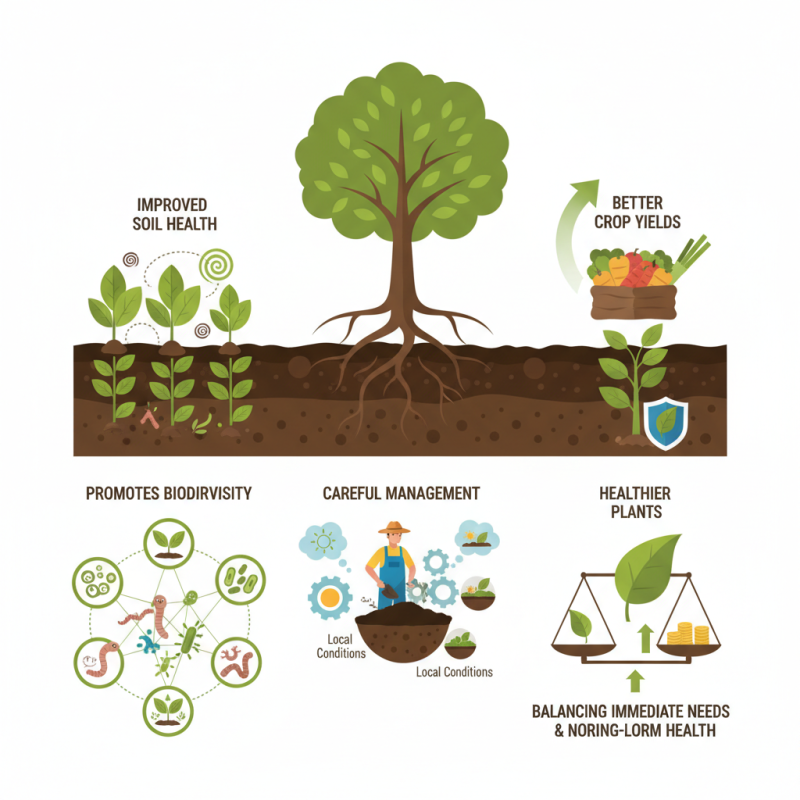
Organic fertilizer production plays a crucial role in sustainable agriculture. Farmers increasingly embrace it for various reasons. One key benefit is improved soil health. Organic fertilizers enrich the soil with essential nutrients. This leads to better crop yields and healthier plants.
Moreover, organic fertilizers promote biodiversity in the soil. They encourage beneficial microorganisms to thrive. These organisms help in breaking down organic matter, enhancing nutrient availability. The result is a more dynamic ecosystem, supporting robust agricultural practices.
However, organic fertilizer production is not without challenges. It requires careful management and understanding of local conditions. Farmers must balance immediate needs with long-term soil health. Ignoring these factors can lead to diminished returns. This reflection on careful application makes organic fertilizer production an intriguing topic in modern farming.
Benefits of Organic Fertilizers in Enhancing Soil Health and Structure
Organic fertilizers play a vital role in enhancing soil health and structure. They improve nutrient availability, leading to better crop yields. These fertilizers are derived from natural sources, such as compost or animal manure, which enrich the soil with essential nutrients. When applied, they release nutrients slowly, giving plants time to absorb them efficiently. This slow release helps prevent nutrient leaching into water bodies, reducing environmental pollution.
The use of organic fertilizers promotes the growth of beneficial microorganisms. These microorganisms enhance soil structure by increasing its aeration and moisture retention. A well-structured soil allows roots to penetrate deeper, accessing more nutrients and water. However, the adoption of organic fertilizers requires careful management. Over time, reliance on only organic matter might lead to nutrient deficiencies. Farmers need to monitor soil health regularly and adjust their inputs accordingly. While organic fertilizers are beneficial, a balanced approach is necessary for optimal soil and crop performance.
Impact of Organic Fertilizer on Crop Yield and Quality Improvement
Organic fertilizer plays a crucial role in enhancing crop yield and quality. By improving soil structure, it increases the retention of moisture and nutrients. Healthy soil leads to robust plants, producing higher yields. Farmers who switch to organic options often notice improved flavors in fruits and vegetables. The natural ingredients in organic fertilizers also contribute to better nutrient absorption by plants.
Tips: Consider testing your soil before applying any fertilizer. This helps you understand what nutrients are lacking and to choose the right organic option. Regularly adding organic matter, like compost, can boost soil health over time.
However, not all organic fertilizers are created equal. Some may contain low nutrient concentrations, which could hinder growth if not applied correctly. Farmers must learn to balance between types and amounts. Observation is key. Monitor how your crops respond to different organic fertilizers for the best results. Finding the right mix may take effort, but the benefits are rewarding.
Economic Advantages of Using Organic Fertilizers for Farmers
Organic fertilizers offer significant economic advantages for farmers. According to a report from the Food and Agriculture Organization (FAO), using organic fertilizers can reduce conventional fertilizer costs by up to 30%. This is a huge saving for small-scale farmers who often operate on tight budgets. Lowering expenses means farmers can invest in other crucial areas, such as irrigation and seeds.
Moreover, organic fertilizers enhance soil health. Healthier soil can lead to better crop yields over time. Studies show that fields treated with organic amendments can increase yields by 20-30%. This is critical as food demand rises globally. However, acquiring organic fertilizers requires initial investments. Not all farmers are familiar with their application. Some might face challenges in adapting their practices.
With time, the benefits become clear. The market for organic produce continues to grow. Consumers are willing to pay premium prices. In fact, the organic food market is expected to reach $620 billion by 2024. Yet, the shift to organic practices is not without hurdles. Farmers must educate themselves on sustainable methods. While the path to fully utilizing organic fertilizers may be uneven, the potential economic rewards make it worthwhile to explore further.
How is Organic Fertilizer Production Beneficial for Farming? - Economic Advantages of Using Organic Fertilizers for Farmers
| Advantage |
Description |
Estimated Savings ($/acre) |
| Soil Health Improvement |
Organic fertilizers enhance soil structure, improve microbial activity, and increase nutrient availability. |
30 |
| Reduced Chemical Costs |
Using organic fertilizers reduces the dependency on synthetic fertilizers, leading to lower purchasing costs. |
50 |
| Better Crop Yields |
Organic fertilizers can lead to higher yields due to improved nutrient content and soil health. |
40 |
| Environmental Sustainability |
Organic fertilizers reduce pollution and promote biodiversity, supporting sustainable farming practices. |
N/A |
| Long-term Profitability |
Investing in organic practices can lead to more resilient farming systems with long-term economic benefits. |
Varies |
Environmental Benefits of Organic Fertilizer in Sustainable Farming
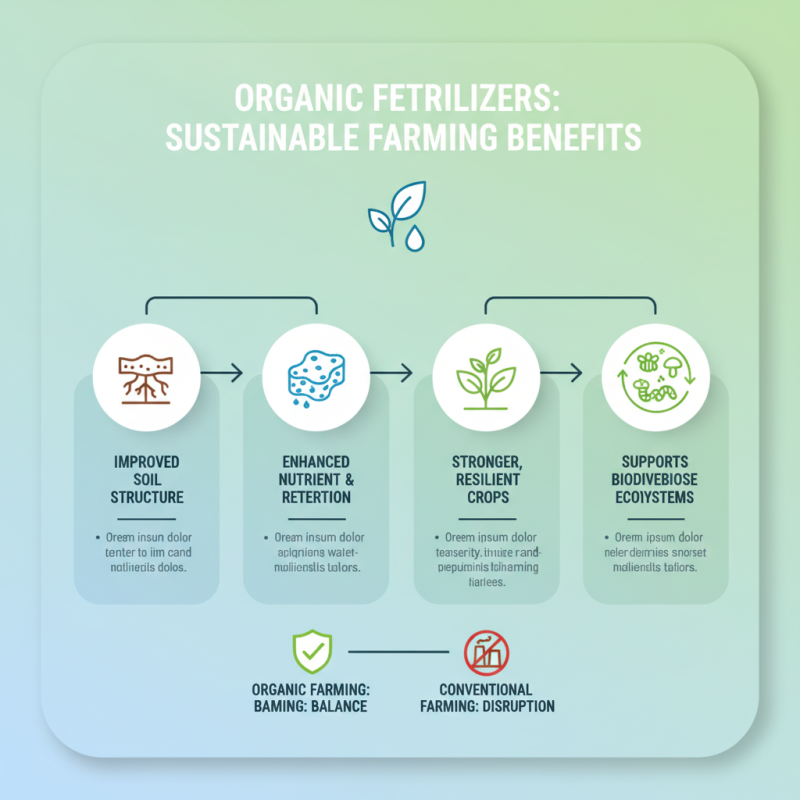
Organic fertilizers play a crucial role in sustainable farming. They improve soil structure and enhance nutrient retention. This results in better water retention, which benefits crops. Healthier soils support diverse ecosystems. This balance is often disrupted in conventional farming.
Using organic fertilizers can reduce harmful chemical runoff. This minimizes the pollution of nearby water sources. However, the transition to organic methods can be challenging for some farmers. It requires time, knowledge, and often financial investment. There are no instant results, which can be frustrating.
Organic fertilizers can attract beneficial microorganisms. These organisms help combat pests naturally. Yet, achieving a stable ecosystem may take years of practice. Farmers must adapt their methods. Success does not come overnight, but the long-term benefits are worth it.
Long-term Soil Fertility and Nutrient Cycling through Organic Fertilizer Use
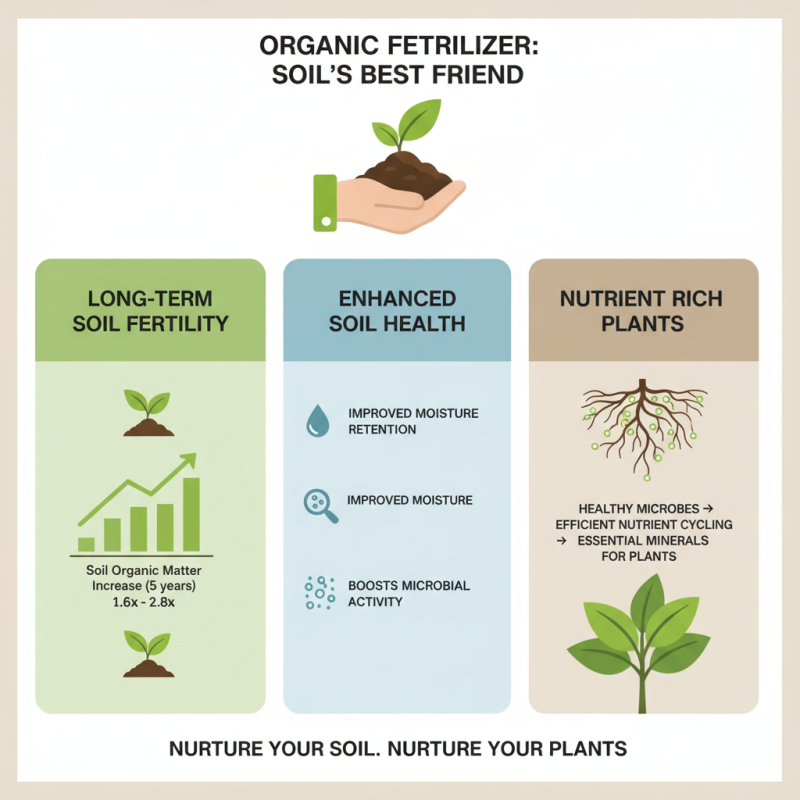
Organic fertilizer plays a crucial role in maintaining long-term soil fertility. Studies show that organic inputs can increase soil organic matter by 1.6 to 2.8 times over five years. This improvement helps retain moisture and enhances microbial activity. Healthy microbes aid in nutrient cycling, making essential minerals more available for plants.
Using organic fertilizers also promotes biodiversity in soil ecosystems. Research indicates that diverse microbial populations contribute to better nutrient cycling. However, not all organic fertilizers are created equal. Some may introduce pathogens or heavy metals, which can harm soil health. Farmers should carefully choose their fertilizers, focusing on quality over quantity.
Moreover, transitioning to organic fertilizers can be challenging. Initial costs may be higher, and some farmers worry about yield. Balancing immediate needs and long-term benefits is essential. The shift to organic farming requires patience, but over time, the investment can lead to improved soil health and sustainable crop production. This is a journey worth exploring for those committed to sustainable agriculture.