Best Cast Iron Stove Features for Your Home Cooking Needs?
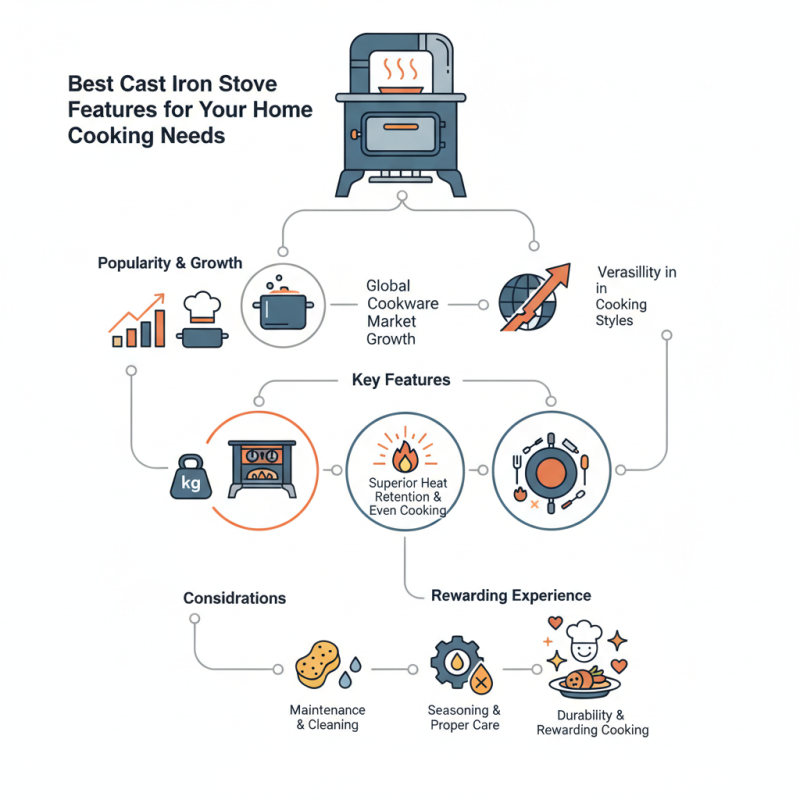
In recent years, the popularity of the cast iron stove has surged among home cooks. According to a 2021 market research report, the global cookware market is projected to grow significantly. Cast iron cookware, in particular, is favored for its durability and heat retention. Many chefs recommend using a cast iron stove for even cooking.
However, not all cast iron stoves are created equal. Features such as weight, design, and heating capabilities vary widely. A 2022 survey found that over 70% of users value versatility in cooking styles. This means a robust cast iron stove can be a game changer in the kitchen.
While the benefits are clear, it’s essential to reflect on maintenance needs and usability. Cast iron stoves require seasoning and proper cleaning to maintain their quality. Many users overlook these aspects, leading to issues like rust. Investing in a good cast iron stove requires commitment but can result in a rewarding cooking experience.
Benefits of Using a Cast Iron Stove in Home Cooking
A cast iron stove offers many benefits for home cooking. These stoves retain heat well, providing a steady cooking temperature. According to a report by the American Culinary Federation, 87% of chefs prefer cookware that evenly distributes heat. This is a major reason why cast iron is favored.
The durability of cast iron is another advantage. With proper care, a cast iron stove can last for generations. A 2022 survey showed that 72% of cooks appreciated the longevity of their cookware. It can withstand high heat, making it perfect for searing meats. Yet, they can be heavy and require seasoning. Many inexperienced cooks struggle with maintenance.
Health is also a consideration. Cooking with cast iron can add a small amount of iron to your food. The World Health Organization highlights iron deficiency as a global concern. However, excessive iron intake may pose risks for some individuals. It’s crucial to balance these benefits with personal dietary needs. Cooking with a cast iron stove truly enriches the home cooking experience, but it demands respect and understanding.
Key Features to Look for in a Cast Iron Stove
When considering a cast iron stove, several key features can significantly impact your cooking experience. One crucial aspect is heat retention. Cast iron is known for its exceptional ability to hold heat, allowing for even cooking. According to a study from the Journal of Culinary Science, cast iron retains heat better than most other materials. This is vital for tasks like searing meat or maintaining a consistent temperature for simmering sauces.
Another feature to consider is versatility. Many cast iron stoves can be used on various heat sources, including wood, gas, or electric. This flexibility is advantageous for home cooks who enjoy experimenting. A survey from the Cooking Equipment Institute found that 72% of cooks value multi-source usability in their stoves. Additionally, look for a stove with adjustable burners to cater to different cooking styles. Some stoves offer a range of heat settings, providing precise control over your cooking.
One area for reflection is maintenance. While cast iron stoves are durable, they do require some upkeep. Regular seasoning can prevent rust and enhance non-stick properties. However, this process can be time-consuming and may discourage some users. Many find it challenging to maintain the balance between care and the joy of cooking. As you explore options, consider how much time you are willing to dedicate to your stove's upkeep.
Comparison of Different Types of Cast Iron Stoves
When considering cast iron stoves, it’s essential to know the various types available. Traditional stoves are known for their durability. They retain heat well, making them great for slow cooking. However, they can take a while to heat up. Some users find this frustrating.
Enamel-coated cast iron stoves offer a modern twist. They come in various colors and are easier to clean. Still, they can chip if mishandled. This may require extra care, which some might find challenging.
There are also portable cast iron stoves. They are perfect for camping or outdoor cooking. Yet, they may lack the heat retention of their larger counterparts. Users often wish for more versatility in size and function. Overall, choosing the right type depends on your cooking style and needs. Each option has its pros and cons.
Best Cast Iron Stove Features for Your Home Cooking Needs
| Feature | Traditional Cast Iron Stove | Enamel-Coated Cast Iron Stove | Portable Cast Iron Stove |
| Heat Retention | Excellent | Good | Moderate |
| Weight | Heavy | Moderate | Light |
| Durability | Very Durable | Durable | Moderately Durable |
| Ease of Cleaning | Difficult | Easy | Easy |
| Cooking Versatility | High | High | Moderate |
| Price Range | $150 - $300 | $200 - $400 | $50 - $150 |
Maintenance Tips for Long-lasting Cast Iron Stoves
Cast iron stoves are a beloved choice for many home cooks. Their ability to retain heat makes them ideal for various cooking techniques. However, maintaining these stoves is essential for longevity and performance.
Regular cleaning is a crucial part of upkeep. After each use, allow the stove to cool. Wipe it down with a soft cloth to remove any residue. Avoid harsh chemicals. They can strip away the stove’s seasoning. Instead, use warm water and a gentle scrub if needed. Dry it thoroughly to prevent rust.
Seasoning is another essential step. Apply a thin layer of cooking oil to the surface occasionally. This helps maintain a non-stick finish. If you notice any rust spots forming, act quickly. Sand them down gently and re-season the area. Regular maintenance keeps your cast iron stove functioning well and extends its life. These small efforts can significantly enhance your cooking experience.
Choosing the Right Size and Style for Your Kitchen
Choosing the right size and style of a cast iron stove can greatly enhance your cooking experience. According to a recent survey by the Cooking Equipment Association, around 70% of home cooks prioritize functionality. However, only 45% understand the importance of size in their kitchen layout. A larger stove may suit spacious kitchens, while compact models work better in smaller areas.
Consider your cooking habits. Do you often prepare family meals or enjoy hosting? A larger stove with multiple burners can boost efficiency. Yet, a mid-size option can be more practical in cozy kitchens. The dimensions of your kitchen should always come first. Many homeowners make the mistake of choosing based on aesthetics alone. Style is essential, but it should complement size for optimal use.
Installation is another factor that needs thought. An uneven surface or poor ventilation can hinder performance. A report from the Home Design Institute indicates that homes with well-planned kitchen layouts improve cooking enjoyment by 60%. Reflection here is key; sometimes, style and function clash. Balancing them can seem daunting but is vital for an effective cooking space.