10 Best Custard Jelly Suppliers for Global Buyers
Choosing a Custard Jelly supplier is not just a packaging decision. Buyers need to assess texture, ingredient consistency, shelf life, production capacity, and export documentation. A smooth cup should arrive intact, with clear batch details and specifications that match the purchase order. Small differences matter.
Supply reliability deserves close attention. The FAO’s The State of Food and Agriculture 2023 estimated that 13.2% of global food was lost between harvest and retail in 2021. That figure covers food broadly, not Custard Jelly specifically, but it underscores the value of dependable sourcing, storage, and logistics. The OECD-FAO Agricultural Outlook 2024–2033 also provides context on agricultural commodity markets, which can influence ingredient availability and costs. Neither report ranks dessert suppliers; buyers should verify company claims directly.
This guide introduces 10 Custard Jelly suppliers for global buyers and offers a practical starting point for comparison. Look for transparent ingredient lists, documented quality controls, responsive communication, and samples that reflect routine production—not just a polished showcase batch. Ask about minimum order quantities, lead times, shipping conditions, and customization before committing. Then check that answers are specific and consistent. Not every supplier will fit every market. Even a promising sample can disappoint at scale, so independent verification remains worthwhile.
Understanding Custard Jelly and Its Global Market
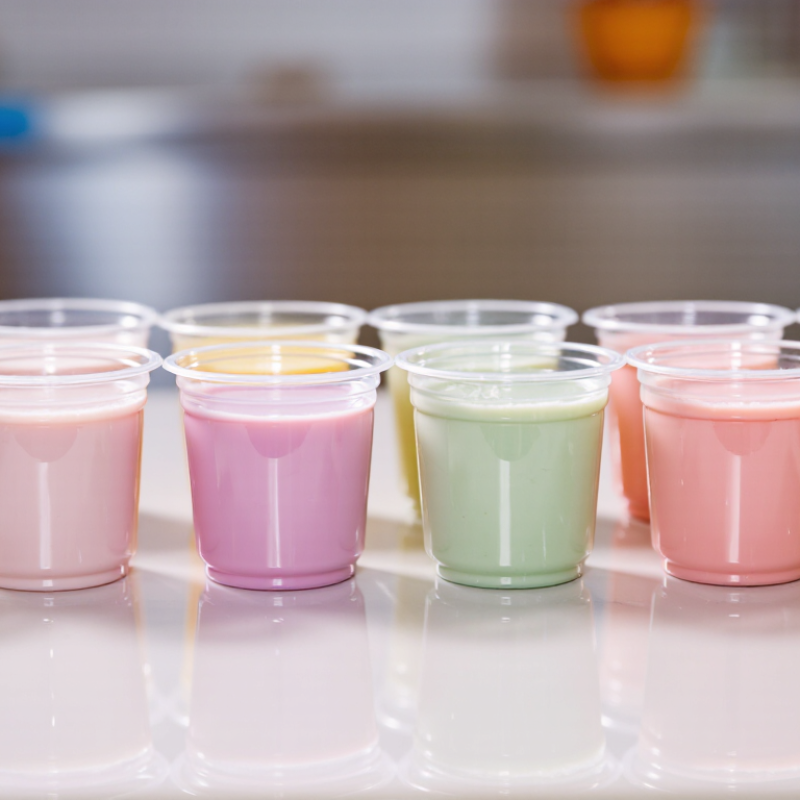
Custard jelly is a chilled dessert with a smooth, custard-like body and a soft, springy gel texture. It combines creamy flavor with a shape that holds on a spoon. The texture matters. Some versions feel silky; others have a firmer bite, depending on the recipe and setting method. Small detail, big difference. Buyers comparing samples should note sweetness, aroma, firmness, and how the product feels after several minutes outside refrigeration. A pleasant first spoonful does not always predict performance during serving.
The global market reflects different eating habits and distribution conditions. In warm regions, temperature control can affect texture during transport and storage. Retailers may also prefer individual cups, while food-service buyers often need larger packs. Ask suppliers for ingredient specifications, storage guidance, shelf-life data, and packaging details before comparing prices. A small sample test can reveal separation, excess sweetness, or a texture that changes after chilling. These checks are useful, though they cannot predict every shipment condition. Preferences also vary by market, and a flavor that seems balanced to one tasting panel may feel too rich to another.
Key Criteria for Evaluating International Custard Jelly Suppliers
When evaluating an international custard jelly supplier, buyers should look beyond a glossy product sheet. Start with a clear specification: dairy or plant-based ingredients, sugar level, cup size, filling weight, and target texture. Ask how the supplier controls batch consistency. A spoonful should hold its shape yet feel smooth, not rubbery. Small differences matter. Request samples from multiple production lots, then compare color, aroma, firmness, and separation after storage. That last check is easy to overlook.
Shelf-life claims need context. Ask about test conditions, storage ranges, and date-marking methods. Review ingredient statements, allergen controls, and quality records with a qualified food-safety professional. A reliable supplier should explain which documents are available and how often records are updated. Packaging deserves equal attention. Check cup seals, lid strength, carton protection, and whether labels remain readable after condensation. A neat sample can still fail in a warm warehouse.
For cross-border purchasing, confirm minimum order quantities, production lead times, shipping temperature needs, and plans for delays. Ask who handles damage reports and how corrective actions are tracked. Communication is a useful quality signal: precise answers beat polished promises. Still, no checklist removes every risk.
Profiles of 10 Leading Custard Jelly Suppliers
A useful shortlist of custard jelly suppliers includes several different production profiles. Dairy-focused makers can offer a rich, creamy texture, while contract manufacturers adapt recipes and pack sizes for importers. Aseptic dessert producers suit buyers seeking products with longer shelf life. Regional confectionery exporters may bring familiar local flavors, though their export experience can vary.
Foodservice packers typically supply larger tubs for cafés and caterers. Private-label factories can customize labels and case formats, but buyers should confirm minimum order quantities early. Clean-label specialists may use simpler ingredient lists; check how texture holds after storage. High-volume producers can support steady replenishment, yet smaller orders may receive less flexibility. Details matter.
Cold-chain suppliers are relevant when a product requires chilled transport. Ask how temperature is monitored from dispatch to delivery. Small-batch producers may offer more recipe adjustments, but capacity can be limited during busy seasons. These ten profiles are starting points, not guarantees. Request a specification sheet, allergen information, sample packs, and recent quality documentation. Then test the jelly after opening and serving, not just straight from the package. A glossy surface can look appealing, but texture and flavor may change with temperature. Supplier claims deserve a practical check.
Comparing Product Range, Certifications, and Export Capabilities
For global buyers, the best custard jelly supplier is not always the one with the longest catalogue. Compare ready-to-eat cups, bulk formats, flavor options, sweetness levels, and texture consistency. Ask for samples from multiple production batches. A spoonful should feel smooth, not watery or grainy. Small differences matter when serving thousands of portions. I would not treat glossy product photos as evidence of reliable quality.
Certifications and export experience deserve equal attention. Request current food-safety certificates, then check their scope, site address, and expiry date with the issuing body. Relevant systems may include HACCP-based controls or ISO 22000; requirements vary by buyer and destination. Ask how the supplier manages allergens, batch traceability, and shelf-life testing. For exports, confirm label languages, carton specifications, lead times, and experience preparing shipment documents. A supplier may serve several regions yet still lack experience with your preferred packaging. That gap is easy to miss.
Tips: Send a written specification before requesting a quote. Include cup size, target texture, storage conditions, and annual volume. Ask for a sample and a recent batch record. Compare landed cost, not just the factory price. If an answer is vague, pause and ask again.
Supplier Evaluation Priorities for Global Custard Jelly Buyers
Suggested weighting for comparing suppliers across product range, certifications, and export capabilities. These are buyer-assessment priorities, not verified ratings of individual suppliers.
Use these criteria as a starting point when shortlisting suppliers; verify certifications, product specifications, and destination-market export documents directly with each supplier.
How Global Buyers Can Select and Verify a Supplier
10 Best Custard Jelly Suppliers for Global Buyers
How Global Buyers Can Select and Verify a Supplier
Choosing a custard jelly supplier takes more than comparing prices and product photos. Ask for a current specification sheet covering ingredients, allergens, texture, storage conditions, and shelf life. Check that batch codes link each shipment to production records. A neat certificate alone does not prove consistent factory practice.
The World Health Organization’s 2015 foodborne disease estimates report about 600 million illnesses and 420,000 deaths worldwide each year. This is not a custard-jelly-specific figure, but it shows why food-safety checks matter. Request recent microbiological test results and confirm which laboratory performed them. For chilled products, review temperature records from dispatch to arrival; for shelf-stable products, examine packaging seals and storage guidance. Test samples from more than one batch. One perfect cup proves little.
Tips: Request a sample carton, not just a tasting cup. Compare the delivered batch with the approved sample, then record differences in flavor, firmness, and seal quality. Ask how complaints and rejected lots are investigated. Keep the questions specific. Suppliers may provide documents quickly, while production consistency takes longer to judge. A site audit can help, though a rushed visit can miss routine problems.