Best Fertilizer Prices for Global Buyers in 2026?
The fertilizer price landscape is evolving rapidly as we approach 2026. Global buyers are reassessing their strategies to secure the best rates for essential nutrients. As supply chains recover and agricultural demands shift, understanding these dynamics is crucial.
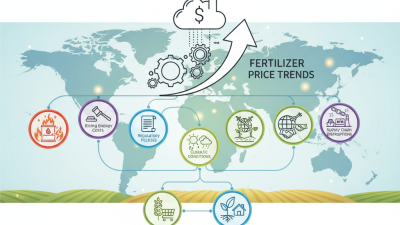
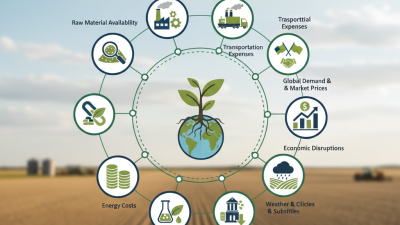
Many factors impact fertilizer prices, including geopolitical tensions, climate change, and agricultural trends. Buyers should consider regional variances in availability and the fluctuations in production costs. There may be potential opportunities, but also significant risks that require careful analysis.
Addressing the uncertainties in the fertilizer market can guide buyers in making informed decisions. Monitoring market conditions and maintaining relationships with suppliers can provide vital insights. The quest for competitive fertilizer prices involves not just seeking bargains, but also anticipating future trends and challenges.
Global Fertilizer Market Overview and Price Trends for 2026
The global fertilizer market is poised for notable shifts in 2026. Factors influencing price trends include supply chain disruptions and geopolitical dynamics. According to the Food and Agriculture Organization (FAO), the average cost of fertilizers increased by 30% in 2023, impacting global agricultural practices. This trend may continue as demand remains high amidst fluctuating supply.
In addition, recent reports from the International Fertilizer Association highlight a potential increase in market volatility. Prices for nitrogen-based fertilizers are expected to rise due, in part, to rising energy costs. Over 60% of farmers are now adjusting their buying strategies based on these unpredictable trends. The need for sustainable practices complicates this issue further.
There are concerns about the environmental impact of excessive fertilizer use. This leads to questions about long-term agricultural productivity. Data indicates that over 50% of farmers are exploring organic alternatives as a way to reduce reliance on synthetic options. The balance between cost-effectiveness and environmental responsibility remains a significant challenge.
Best Fertilizer Prices for Global Buyers in 2026
| Region |
Nitrogen Price (USD/ton) |
Phosphate Price (USD/ton) |
Potash Price (USD/ton) |
Urea Price (USD/ton) |
Total Fertilizer Price Index |
| North America |
500 |
600 |
700 |
550 |
580 |
| Europe |
520 |
610 |
720 |
570 |
590 |
| Asia |
480 |
590 |
680 |
520 |
570 |
| Latin America |
510 |
605 |
690 |
540 |
590 |
| Africa |
490 |
580 |
670 |
510 |
582 |
Key Factors Influencing Fertilizer Prices Worldwide
As we look toward 2026, several key factors will shape global fertilizer prices.
Supply chain disruptions have been a constant challenge. A lack of reliable transportation can lead to increased costs.
For buyers, this means planning ahead is essential.
Market demand fluctuates significantly. An unexpected surge can strain resources.
Seasonal changes also have their effects. Understanding these patterns can guide purchasing decisions.
Buyers should monitor trends carefully to optimize their investments.
Tips:
Leverage local sources when possible. This can reduce transportation costs.
Staying informed about global events is crucial. Sometimes, external factors may create unforeseen price hikes.
A proactive approach can help mitigate potential losses.
Comparison of Fertilizer Prices Across Major Markets in 2026
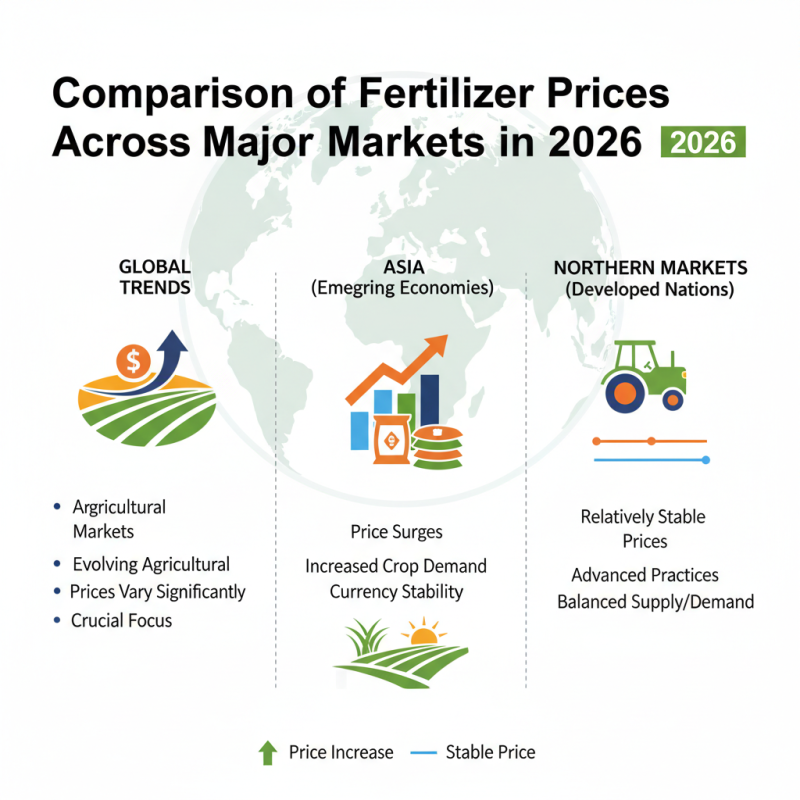
As global agricultural markets evolve, fertilizer prices remain a crucial focus. In 2026, prices will likely vary significantly across regions. Emerging economies may experience fluctuations based on local demand and currency stability. For example, countries in Asia might see price surges due to increased crop production needs. Northern markets may balance relatively stable prices driven by advanced agricultural practices.
Understanding these differences is vital for global buyers. Various factors affect prices, including production costs and transportation expenses. In Europe, stricter regulations could drive prices up. Meanwhile, some South American countries might benefit from lower production costs. However, this situation can also lead to reliance on imports, which introduces uncertainty.
Buyers should keep an eye on market trends. Prices could shift frequently due to geopolitical issues or climate conditions. Monitoring these changes can help in making informed purchasing decisions. Relying solely on past data may not suffice in this dynamic environment. Each market presents unique challenges and opportunities, making adaptive strategies crucial for global buyers.
Impact of Supply Chain Dynamics on Fertilizer Pricing
The complexities of the global supply chain significantly impact fertilizer pricing. Disruptions in production or logistics can lead to sharp price fluctuations. Shipping delays, labor shortages, and geopolitical events create uncertainty. As a result, buyers must adapt to rapidly changing market conditions. Awareness of these factors is essential for strategic planning.
Sourcing fertilizers in 2026 will require agility and foresight. Buyers should establish strong relationships with suppliers. Diversifying sources helps mitigate risks associated with single-provider dependencies. Regular assessments of regional dynamics can also provide insights into potential price trends. This proactive approach enhances negotiation power.
Tips for finding the best fertilizer prices include researching commodity trends and analyzing historical data. Consider seasonal demand variations affecting prices. Keep an eye on currency fluctuations that could impact costs. Staying informed about global events will help anticipate market changes. Relying on only one source can be risky—explore multiple options.
Future Predictions for Fertilizer Prices and Buying Strategies in 2026
As we move towards 2026, predicting fertilizer prices becomes increasingly vital. Market trends show that fluctuating supply chains and geopolitical tensions significantly impact costs. Experts suggest that a continued rise in demand from growing agricultural sectors will likely push prices higher. It is essential for buyers to closely monitor production levels and trade policies across key regions.
In purchasing strategies, global buyers should consider diversification. Relying on a single supplier can elevate risks. Engaging with multiple vendors in different markets may offer stability. Early purchasing might help secure better rates, but timing is crucial. Buyers need to analyze market signals regularly to inform their decisions.
Efforts to capitalize on lower prices might backfire. Buying in bulk could lead to overstock, especially if forecasts shift. Price fluctuations will remain unpredictable, making it necessary to be adaptable. There are risks, and the market can change rapidly. Buyers must prioritize research and flexibility in their strategies to navigate this challenging landscape effectively.
Predicted Fertilizer Prices in 2026