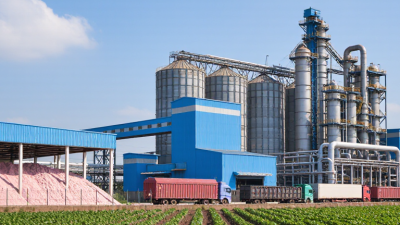
China Best Fertilizer Production Line Manufacturers?
Choosing a fertilizer production line manufacturer in China is not a simple price comparison. A plant may make granular NPK, organic fertilizer, or blended products, and each process requires different equipment. Crushers, mixers, granulators, dryers, coolers, screens, and bagging units must work together. A polished showroom helps. It does not prove reliable production.
Dr. Achim Dobermann, former Director General of the International Rice Research Institute and a respected nutrient-management expert, has emphasized matching nutrient practices to local conditions. A concise paraphrase of his guidance is: “Nutrient management should fit the crop, soil, and place—not a generic recipe.” That principle also matters when evaluating production lines. The right design depends on feedstock, target granule size, moisture, and planned output.
This guide compares manufacturers through practical evidence, not slogans. Ask for process diagrams, material-test results, verified capacity data, energy-use estimates, dust-control details, and spare-parts support. Request references from operating plants with similar products. Inspect how operators monitor temperature and moisture, not only how new the machines look. A low quote can hide important costs. And no brochure proves long-term performance. I may still be missing a factor: local service can matter as much as equipment. The strongest fertilizer production partner explains trade-offs clearly and supports claims with testable evidence. The aim is a sound shortlist, not a careless “best” label.
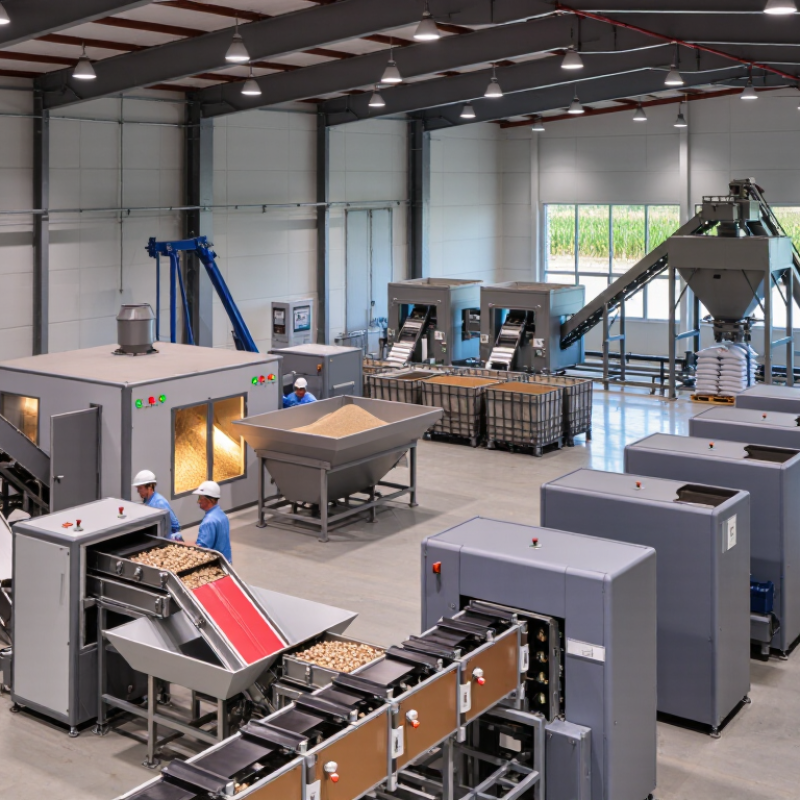
Understanding Fertilizer Production Lines and Their Applications
China Best Fertilizer Production Line Manufacturers?
Understanding Fertilizer Production Lines and Their Applications
A fertilizer production line turns selected raw materials into granules or powders with consistent nutrient content. A typical compound-fertilizer line includes batching, crushing, mixing, granulation, drying, screening, coating, and packing. Each stage affects product uniformity. A handful of damp material can clog a screen; uneven granules may spread poorly in a field. Line design should match the formula, feedstock moisture, required capacity, and final application—not simply a headline output figure.
The FAO’s 2019 World Fertilizer Trends and Outlook projected global nutrient demand would reach 201.7 million tonnes by 2022, up from 191.5 million tonnes in 2018. This was a forecast, not a measured result. It illustrates the scale of demand that production systems must serve. Lines may produce NPK granules for broad-acre crops, blended products for specific soils, or organic fertilizers from composted materials. These require different handling and process controls. The IEA’s Ammonia Technology Roadmap reports that ammonia production uses about 2% of global final energy. Energy-efficient drying and careful heat management therefore matter. Still, a more complex line is not always a better fit.
Tips: Ask suppliers for material trials using your actual feedstock. Check granule strength, dust levels, moisture, and screening losses. Request energy use per tonne, too. Paper specifications can look convincing; real material sometimes behaves differently. That detail deserves a second look.
Main Equipment and Processes Used in Fertilizer Manufacturing
A fertilizer production line is a sequence of linked operations, not just a granulator. Depending on the product and feedstock, equipment may include feeders, mixers, granulators, rotary dryers, coolers, screens, and coating drums. Conveyors move material between stages, while dust collectors help capture airborne particles. Small details matter.
For compound fertilizers, measured raw materials are blended and granulated, then dried and cooled. Screens separate on-size granules from fines and oversized material; both can return to the process. Moisture control is critical: material that is too wet may stick, while overly dry feed can weaken granules. A screen can be slightly out of tune, and product consistency may suffer.
Energy use deserves attention, too. The International Energy Agency’s Ammonia Technology Roadmap (2021) reports that ammonia production accounts for about 2% of global final energy consumption and 1.3% of energy-system CO2 emissions. FAO’s World Fertilizer Trends and Outlook to 2022 projected global nutrient demand of about 202 million tonnes that year. These figures help frame the scale of production, but they do not determine the right plant layout. In practice, a tidy process chart can meet messy reality: feed properties shift, and operators must adjust settings. Instrumentation helps, but it cannot replace careful sampling and routine maintenance.
Criteria for Evaluating Fertilizer Production Line Manufacturers in China
Choosing a fertilizer production line manufacturer in China takes more than comparing quotations. Ask how the supplier handles your raw materials, target output, and utility limits. A line designed for dry granules may need different screens and moisture controls from one processing damp organic inputs. Request a process-flow diagram, equipment specifications, and a clear list of included components. Good evidence matters.
Check whether engineers have commissioned lines with similar materials and capacity. Ask for references you can contact, plus details about installation, operator training, spare parts, and response times. If possible, inspect the workshop and watch equipment run; look closely at welds, guards, and dust-control points. Test it. Agree on measurable acceptance criteria, such as throughput and granule size, before ordering. A polished brochure can hide gaps, and one factory visit cannot prove long-term reliability. I would compare written commitments with what the team can demonstrate, while leaving room for a detail I may have missed.
Types of Chinese Fertilizer Production Line Suppliers
Chinese fertilizer production line suppliers generally fall into several types. Integrated engineering manufacturers design complete lines, from raw-material dosing to granulation, drying, cooling, and screening. They suit buyers seeking coordinated equipment and installation support. Ask for process diagrams and verified output data, not just a headline capacity figure.
Specialist equipment makers focus on individual machines, such as mixers, rotary dryers, or pelletizers. Their machinery may fit an existing plant, though integration becomes the buyer’s responsibility. Component suppliers and system integrators combine equipment from multiple workshops. This can offer flexibility, but interface details need careful checking. Small details matter: conveyor width, motor ratings, and spare-part lead times. Export-oriented trading suppliers may coordinate shipping and documentation, yet may not manufacture the equipment themselves. Request factory references, test records, and a clear list of who handles commissioning. A neat quotation is not proof of performance. I would still compare proposals cautiously; supplier categories overlap, and a capable partner may not fit every project. Ask who will answer when a screen blocks during a night shift.
China Fertilizer Production Line Suppliers: Common Product Grades
Compare production-line suppliers by the fertilizer products their equipment is designed to produce.
Illustrative common grades shown as percentages by nutrient: nitrogen (N), phosphate (P₂O₅), and potash (K₂O). Actual product specifications vary by market and supplier.
How to Choose a Manufacturer for Your Production Requirements
China Best Fertilizer Production Line Manufacturers?
How to Choose a Manufacturer for Your Production Requirements
Choosing a fertilizer production line manufacturer starts with your actual product, feedstock, and target capacity. A line designed for granular output may not suit powder production without costly changes. Ask for process-flow diagrams, capacity calculations, and equipment specifications. Then check whether the proposed line can handle your raw materials consistently.
Energy use deserves close attention. The International Energy Agency’s Ammonia Technology Roadmap (2021) estimates that ammonia production accounts for about 2% of global final energy consumption. Compare energy estimates per tonne of product, not just equipment purchase prices. Request the assumptions behind each estimate, including operating hours and feedstock quality. Small details matter.
The International Fertilizer Association’s June 2023 Short-Term Fertilizer Outlook projected global fertilizer consumption would rise 4% to 192.5 million tonnes of nutrients in 2023/24. That projected recovery makes flexible capacity worth discussing, but expansion plans still need local market evidence. Ask manufacturers for commissioning schedules, spare-parts lists, and references for similar process lines. Visit a working site if possible. Watch the material move through mixers, granulators, and dryers. That assumption deserves scrutiny. A polished proposal is not proof of stable output; independent testing and clear acceptance criteria matter.
China Best Fertilizer Production Line Manufacturers? - How to Choose a Manufacturer for Your Production Requirements
| Production Line Type | Typical Products and Feedstocks | Common Process Stages | Equipment to Discuss | Best Suited For | What to Verify with a Manufacturer |
|---|---|---|---|---|---|
| Organic Fertilizer Granulation Line | Composted or fermented materials such as manure, crop residues, and other suitable organic matter. Feedstock preparation and nutrient composition vary by recipe. | Feedstock preparation, crushing or screening, mixing, granulation, drying where required, cooling, screening, and packaging. | Crusher, mixer, granulator, dryer and cooler if included, screens, conveyors, dust collection, and packing equipment. | Producers processing organic materials into granular products for easier storage, handling, and application. | Ask how the proposed process handles the actual feedstock’s moisture, particle size, and variability. Request a test using representative material and clarify which process stages are included. |
| NPK Compound Fertilizer Line | Compound fertilizers made by combining nutrient-bearing raw materials to meet a specified N-P-K formulation. Raw materials depend on the product recipe. | Batching or proportioning, mixing, granulation, drying and cooling when required, screening, and packaging. | Weighing or dosing systems, mixer, granulator, dryer, cooler, screens, conveyors, and dust-control equipment, as applicable to the process. | Manufacturers producing formulated compound fertilizer in granular form. | Confirm how dosing accuracy is specified and tested, how recipe changes are managed, and whether the proposed granulation process has been tested with the intended formulation. |
| Bulk Blending (BB) Fertilizer Line | Dry, granular fertilizer ingredients blended in specified proportions to make a physical mixture. Ingredient compatibility and particle characteristics affect blend quality. | Ingredient storage and feeding, weighing or batching, blending, and bulk or bagged packaging. | Storage hoppers, feeders, weighing system, blender, conveyors, and bagging equipment. | Operations that need to produce different dry blends without chemically granulating the ingredients together. | Check that the system can handle the ingredient sizes and flow properties. Request details on batch size, weighing method, mixing procedure, and measures used to reduce segregation during handling. |
| Water-Soluble Fertilizer Line | Formulated soluble fertilizer products, commonly produced as powders or crystals from compatible soluble inputs. The process depends on the formulation and product form. | Ingredient dosing, dissolution or blending as required, filtration or separation where applicable, drying or crystallization for some processes, and packaging. | Dosing equipment, mixers or dissolving tanks, pumps, filters, dryers or crystallization equipment where specified, and packaging equipment. | Producers targeting fertilizer products designed to dissolve in water for fertigation or other applications requiring soluble formulations. | Specify the intended product form, solubility requirements, and formulation. Ask for process details and product test results using the proposed inputs; confirm moisture protection and packaging requirements. |
| Powder Mixing and Packaging Line | Dry powdered fertilizer blends made from compatible ingredients. This configuration mixes and packages powder; it does not by itself create granules. | Ingredient feeding, weighing, mixing, transfer, and packaging. | Feeders, weighing system, powder mixer, dust collection, conveyors, and powder filling or bagging equipment. | Operations selling powder products or preparing dry blends that do not require granulation. | Check mixer suitability for the materials, batch size, cleaning needs, dust control, and packaging accuracy. Confirm whether any granulation or drying equipment is outside the quoted scope. |
| Integrated or Custom Production Line | A configured combination of preparation, mixing, granulation, drying, screening, and packaging stages for a defined product range. | Process stages are selected to match feedstock, formulation, product form, and operating requirements. | Equipment selection should follow the process design rather than a standard equipment list; utilities, controls, conveying, and dust collection should also be defined. | Projects with multiple products, specific site constraints, or a need to connect new equipment with existing plant systems. | Request a process flow diagram, equipment and scope list, utility requirements, layout, control description, installation responsibilities, commissioning plan, and acceptance criteria before comparing quotations. |
Selection note: Equipment configuration and achievable output depend on the recipe, feedstock properties, product specifications, operating schedule, and site conditions. Compare manufacturers using the same defined inputs and acceptance criteria, and request material testing or a process trial where appropriate.
Related Posts
-
Why Is Fertilizer Production Important for Global Buyers?
-
Top Fertilizer Factory Innovations Driving Sustainable Agriculture Today?
-
Why Choose a Fertilizer Factory for Sustainable Agriculture Production?
-
Find the Best Fertilizer Shop Near Me for All Your Gardening Needs
-
2026 Top Best Fertilizer Company for Global Buyers?
-
Find the Best Local Fertilizer Shops Near Me for 2025 Gardening Success