
Best Neutral Silicon Fertilizer for Global Buyers in 2026
In 2026, global buyers evaluating silicon inputs need more than a polished product label. Neutral Silicon Fertilizer may refer to a product’s formulation or pH profile, but the term alone does not confirm its performance. Product chemistry, declared silicon content, solubility, and application method all matter. Details matter. Buyers should check whether the specification sheet clearly identifies the source and concentration of silicon. Request current safety and quality documentation, and confirm that its figures match the product being offered. Look for transparent batch information and independent test results where available. Small trials help.
The right option depends on the crop, soil conditions, irrigation system, and local application practices. A product that dissolves well in one setup may not suit another. Ask suppliers for clear mixing instructions, compatibility guidance, and evidence supporting any performance claims. Independent analysis can help, but test methods may differ, making direct comparisons imperfect. Shipping and storage conditions also deserve attention; moisture or damaged packaging can affect product handling. Not every supplier provides equally detailed records. This guide will compare practical selection criteria, explain questions buyers can ask, and identify points that deserve closer verification. No ranking can replace a site-specific assessment. Even careful sourcing cannot remove every uncertainty, and that is worth acknowledging before a large purchase.
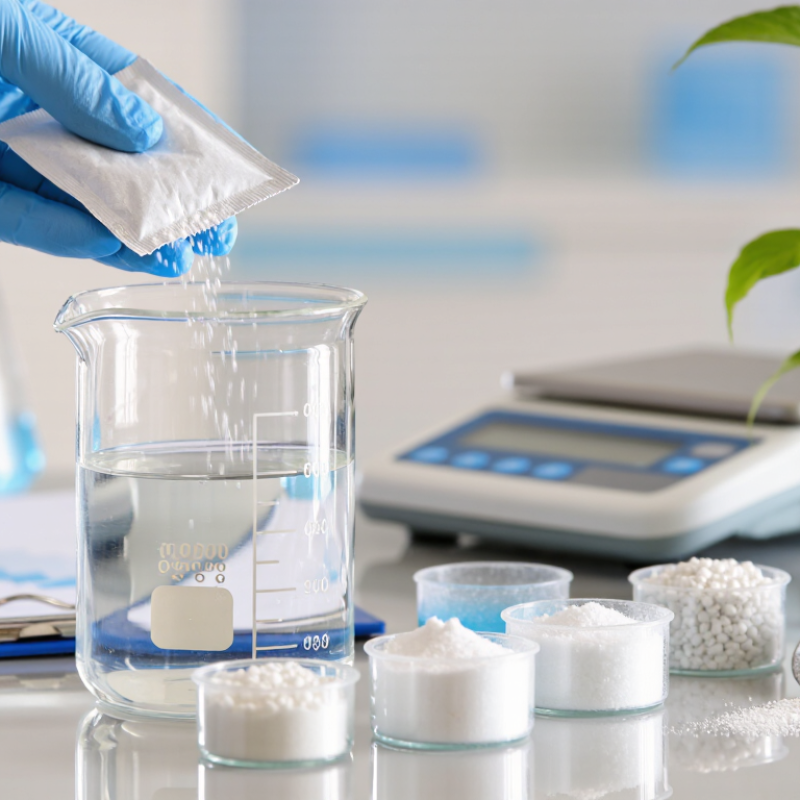
Define Near-Neutral Silicon Fertilizer: pH 6.5–7.5 and Available-Si Forms
Best Neutral Silicon Fertilizer for Global Buyers in 2026
Define Near-Neutral Silicon Fertilizer: pH 6.5–7.5 and Available-Si Forms
For procurement, “near-neutral” should describe a measured product pH, not a soil effect. The 6.5–7.5 window is a practical buying specification, not a universal fertilizer standard. Always ask how pH was measured, including the product-to-water ratio. The USDA-NRCS Soil Survey Manual classifies soil pH 6.6–7.3 as neutral; that is a soil classification, not a fertilizer certification. Small differences matter when comparing test sheets.
Available silicon also needs a clear definition. Plants generally take up silicon mainly as monosilicic acid, H4SiO4. Soluble silicates may supply it after dissolving, but total silicon on a label does not show how much becomes available. Ma and Yamaji’s 2006 review describes silicon uptake and transport in plants, while Haynes’s 2014 overview discusses how soil conditions influence silicon availability. Request a stated available-Si value, extraction method, and test date—not only total Si. Methods can produce different results.
A useful specification pairs pH 6.5–7.5 with a named soluble or extractable silicon form and a documented assay. Check that the pH test uses the same dilution across supplier samples. One caveat: neutral pH alone does not guarantee rapid dissolution or crop uptake. Soil texture, moisture, and application timing still matter, and the product sheet may not tell the whole story.
Best Neutral Silicon Fertilizer for Global Buyers in 2026 — Define Near-Neutral Silicon Fertilizer: pH 6.5–7.5 and Available-Si Forms
A practical screening guide for comparing silicon fertilizers. “Near-neutral” refers to a measured pH of 6.5–7.5 under a stated test method; it is not a universal product classification. Always compare products using the same dilution, water quality, temperature, and measurement procedure.
| Product or Si form | Silicon form relevant to availability | Typical pH behavior | Fit with a pH 6.5–7.5 target | Buyer checks |
|---|---|---|---|---|
| Near-neutral stabilized silicic-acid solution | Formulated soluble silicon, commonly supplied as or designed to provide monosilicic acid (orthosilicic acid, H4SiO4), the principal dissolved form taken up by plants. | Formulation-dependent; may be adjusted to near-neutral pH. Confirm the pH of the supplied product or labeled dilution. | Potentially the closest match when the measured product pH is 6.5–7.5 and the declared soluble-Si content is independently verifiable. | Request the pH test method, soluble-Si analysis, storage-stability data, and instructions for mixing with fertilizers or crop-protection products. |
| Potassium silicate solution | Soluble silicate species; after dilution and reaction in water, some silicon can occur as monosilicic acid. The exact speciation depends on concentration and pH. | Usually alkaline because of its silicate chemistry. | Generally not a near-neutral product as supplied. Do not assume it will meet the target after dilution; measure under the intended use conditions. | Check pH, potassium contribution, soluble Si, dilution rate, and compatibility. Avoid uncontrolled acidification, which can cause silica polymerization or precipitation. |
| Sodium silicate solution | Soluble silicate species that may form plant-available monosilicic acid as solution conditions change. | Usually strongly alkaline; actual pH varies with concentration and formulation. | Usually a poor direct match for a near-neutral-pH specification unless a finished formulation is tested and shown to fall within the stated range. | Check sodium content and crop/soil suitability as well as pH and available Si. Sodium accumulation can be a concern in sensitive soils or irrigation systems. |
| Calcium silicate materials | Solid silicate minerals or processed materials; silicon release depends on mineral composition, particle size, soil conditions, and dissolution rate. | Often liming or pH-raising, but behavior varies by material and soil. | Not generally selected as a near-neutral liquid product. Evaluate its effect on soil pH separately from the pH of a fertilizer solution. | Request guaranteed composition, neutralizing value where relevant, particle-size information, contaminant limits, and field-specific soil recommendations. |
| Amorphous silica or other solid silica sources | Silicon dioxide (SiO2) in a non-crystalline or processed form; plant availability depends on dissolution and product characteristics. | Cannot be inferred reliably from the material name alone; measure the relevant suspension or finished product. | Total SiO2 content alone does not establish near-neutral pH or readily available Si. | Distinguish total Si from water-soluble or otherwise agronomically available Si, and ask for the test method and application evidence. |
| Liquid product labeled with total Si or SiO2 only | Unclear without a declared soluble or available-Si fraction; total silicon may include forms that are not immediately dissolved. | Product-specific; the label’s pH value is meaningful only with a stated measurement method. | Insufficient information to confirm either near-neutral pH or plant-available silicon. | Request total Si and soluble/available Si separately, the conversion basis (Si or SiO2), pH method, and a certificate of analysis. |