2026 Best Organic Fertilizer Company for Sustainable Agriculture?
As the demand for sustainable agriculture rises, the role of organic fertilizer companies becomes crucial. According to a 2023 report by the Organic Trade Association, the organic fertilizer market is projected to reach $4 billion by 2026. This growth reflects a significant shift towards environmentally friendly farming practices. Experts, like Dr. Emily Harland from GreenGrow Organic, emphasize, "Sustainable agriculture starts with healthy soil, nourished by quality organic fertilizers."
Many organic fertilizer companies are innovating to meet this demand. They offer solutions that not only enhance soil health but also boost crop yields. However, not all products live up to their promises. Some companies struggle with quality consistency. This inconsistency can lead to skepticism among farmers. Navigating the choices can be overwhelming. Farmers often need guidance to find trustworthy sources.
In this competitive landscape, identifying the best organic fertilizer company is essential for sustainability. Consumers are increasingly aware of their choices. They seek products that contribute positively to the environment. Finding the right company involves research and awareness. Balancing quality and cost is a challenge that requires careful consideration.
The Role of Organic Fertilizers in Sustainable Agriculture Practices
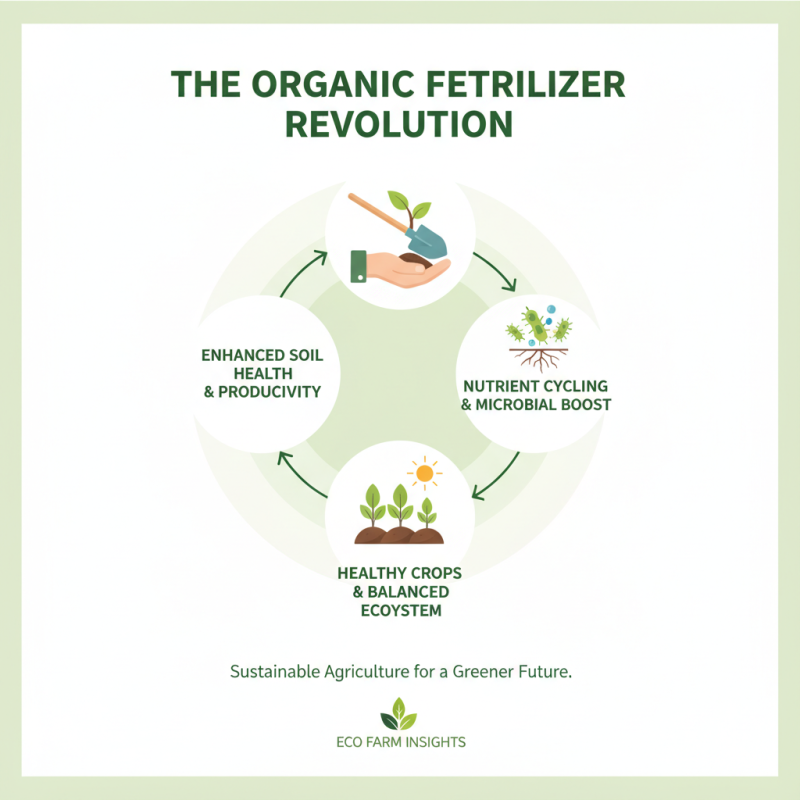
The rise of organic fertilizers marks a pivotal shift in sustainable agriculture practices. Farmers increasingly recognize that these natural alternatives enhance soil health and productivity. By returning nutrients to the earth, they foster microbial activity and improve soil structure. This process is vital for growing healthy crops and maintaining a balanced ecosystem.
However, adopting organic fertilizers is not without challenges. Farmers often face difficulties in sourcing quality products and understanding their application. The inconsistency in nutrient levels can lead to under or over-fertilization. Additionally, time is required for organic amendments to show their full benefits. This transition period can be frustrating for those accustomed to chemical fertilizers.
Farmers must regularly evaluate their approach. Embracing organic fertilizers requires a commitment to ongoing learning and adaptation. This path encourages reflection on practices and the broader impacts on the environment. The journey toward sustainability is complex, but the benefits of organic fertilizers may outweigh the initial hurdles. Balancing immediate needs with long-term goals is essential for the future of agriculture.
Market Trends and Growth Projections for Organic Fertilizer Companies
The organic fertilizer market is on the rise. Recent research indicates that it could grow at a CAGR of 11.1% from 2021 to 2028. This growth stems from a shift towards sustainable agricultural practices. Farmers are becoming more aware of the benefits of organic options. Conventional fertilizers can harm soil health over time.
Consumer demand for organic produce drives this trend. The global organic food market reached $150 billion in 2021. This increase boosts the use of organic fertilizers. According to a report by MarketsandMarkets, the global organic fertilizer market is expected to hit $10.5 billion by 2026. This highlights the need for high-quality organic solutions.
Despite these promising figures, challenges remain. Not all organic fertilizers deliver consistent results. Some might not meet the nutrient requirements of various crops. Continuous refinement of products is essential. More research is needed to enhance product efficiency. Addressing these issues will ensure sustainable growth in the sector.
Key Features of the Best Organic Fertilizers for Crop Yield Improvement
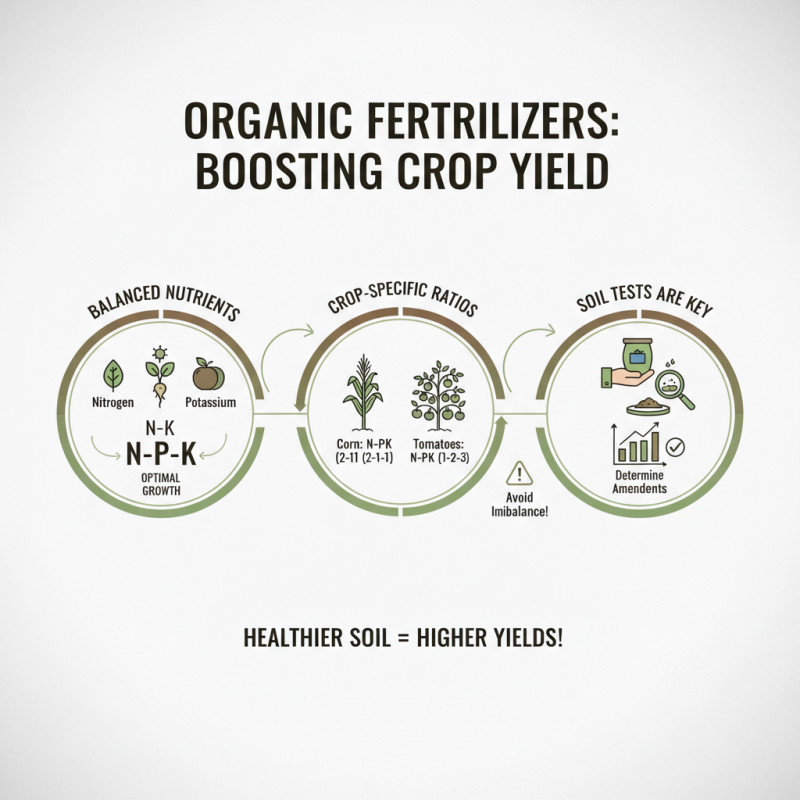
When considering organic fertilizers, key features stand out for boosting crop yield. First, the nutrient content must be balanced. Essential elements like nitrogen, phosphorus, and potassium are critical. Each crop needs specific ratios for optimal growth. Farmers often overlook this, leading to imbalanced soil health. Soil tests can help determine necessary amendments.
Another important aspect is the source of the organic material. Many fertilizers use compost, manure, or plant residues. These contribute to soil structure and enhance microbial activity. Healthy soil supports better water retention and reduces erosion. It's a cycle that nourishes both plants and the earth. However, some products can be inconsistent. Farmers sometimes report varied results based on application methods.
Lastly, sustainability should not be an afterthought. An effective organic fertilizer should promote environmental health without causing harm. Some fertilizers risk nutrient runoff, which can pollute waterways. It’s crucial to choose products that minimize these risks. While many options exist, a careful approach is needed to truly support sustainable agriculture. Regular reflection on fertilizer choices can lead to better practices in the long run.
Evaluating the Environmental Impact of Organic vs. Synthetic Fertilizers
The debate between organic and synthetic fertilizers has been heating up in recent years. Organic fertilizers, derived from natural sources, often improve soil health over time. A 2021 report by the USDA noted that organic practices can enhance soil structure and increase biodiversity. Research shows that organic methods may keep soils rich in microbial life. This leads to improved long-term fertility.
However, synthetic fertilizers offer quick nutrient availability. They deliver immediate benefits for crop yields. A study from the International Fertilizer Association indicated that synthetic options can boost productivity by up to 30% in the short term. Despite their efficiency, reliance on synthetic fertilizers raises concerns. Overuse can lead to soil degradation and water pollution. In contrast, while organic fertilizers improve soil slowly, they could struggle to meet urgent crop demands.
Environmental impacts remain critical. Around 40% of global agricultural emissions stem from synthetic nitrogen use. This poses significant risks that require attention. Farmers need to weigh the benefits and drawbacks carefully. Achieving a balance might be essential as sustainable practices evolve. Ultimately, farming practices should adapt to both immediate and long-term agricultural goals and environmental health.
2026 Best Organic Fertilizer Company for Sustainable Agriculture
| Fertilizer Type | Nutrient Content (%) | Environmental Impact Score (1-10) | Sustainability Rating (1-5) | Cost per KG ($) |
|---|---|---|---|---|
| Compost | 1.5 | 8 | 5 | 0.20 |
| Manure | 0.5 - 1 | 7 | 4 | 0.15 |
| Bone Meal | 4 - 12 | 6 | 4 | 0.50 |
| Fish Emulsion | 5 - 7 | 7 | 4 | 0.80 |
| Seaweed Extract | 8 - 10 | 9 | 5 | 1.00 |
Top Organic Fertilizer Companies Leading in Sustainability Innovations
Organic fertilizers are crucial for sustainable agriculture. Many companies are revolutionizing how we think about soil health and nutrient management. They are committed to using natural materials that improve soil structure and promote biodiversity. These innovations aim to reduce chemical usage and enhance crop yields.
Some companies focus on sourcing local materials. This approach cuts transportation emissions and supports local economies. Others experiment with new formulations that maximize nutrient availability. However, this transition can have challenges. Not all organic fertilizers deliver consistent results. Farmers often need to adapt to new methods.
Continuous improvement is necessary in this field. The best companies actively seek feedback from farmers. They refine their products based on real-world experiences. This tight feedback loop drives innovation. It's essential to remember that sustainable practices can come with trade-offs. Balancing efficiency and environmental responsibility is an ongoing journey.
2026 Best Organic Fertilizer Company for Sustainable Agriculture
This chart displays the percentage of sustainable practices adopted by leading organic fertilizer companies. The data reflects their commitment to sustainability innovations in the agricultural sector.
Related Posts
-
How is Organic Fertilizer Production Beneficial for Farming?
-
Why Choose an Organic Fertilizer Company for Sustainable Farming?
-
How to Start Organic Fertilizer Production at Home?
-
How to Choose the Right Fertilizer Company for Your Gardening Needs
-
Top Benefits of Using Ag Fertilizer for Optimal Crop Growth?
-
How to Use Green Fertilizer for Healthier Plants?