How to Buy Dried Apples in Bulk for Global Supply?
In the ever-evolving food industry, buying Dried Apples in bulk has become a critical endeavor for global suppliers. According to expert John Green, a leading figure in the dried fruits market, "Dried apples provide exceptional flavor and nutrition, making them a smart choice for businesses." Understanding the nuances of sourcing these fruits can enhance profitability.
When engaging in bulk purchases, quality is paramount. Buyers should seek suppliers who prioritize food safety and adhere to strict quality control measures. Dried apples must not only taste great; they should also retain their nutrients over time. Many suppliers offer varying grade levels, making it essential to understand these differences clearly.
Moreover, transparency in sourcing is crucial. It's important to know where the apples are grown and how they are processed. While some might overlook these details, they significantly impact taste and health benefits. By prioritizing quality and transparency, buyers can ensure they are making informed choices that align with their market needs, demonstrating true commitment to their customers.
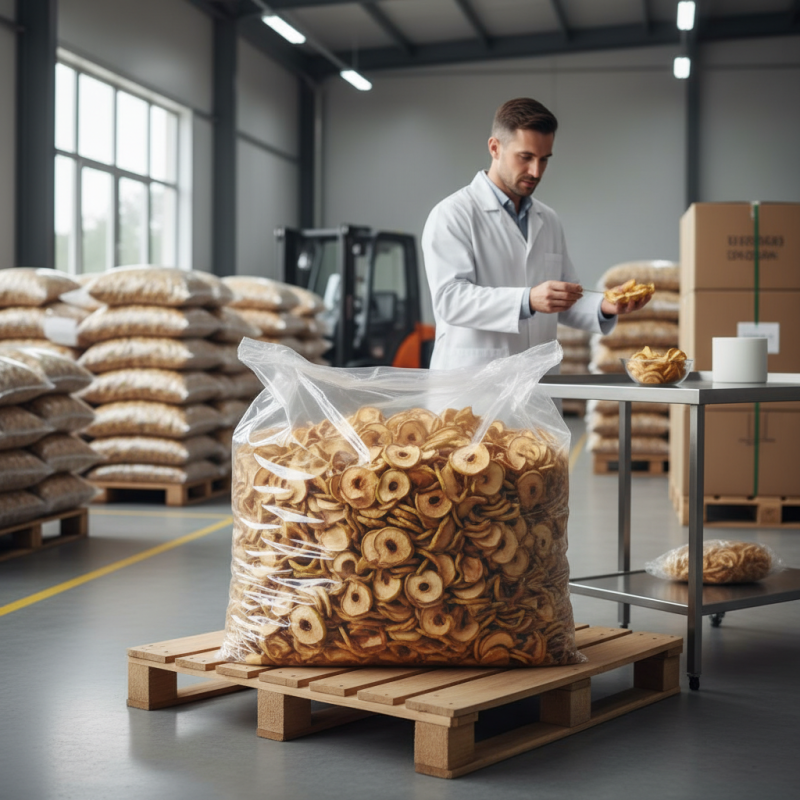
Understanding the Global Market for Dried Apples
The global market for dried apples has been steadily growing, driven by rising health consciousness. Consumers increasingly seek nutritious snacks, and dried apples fit the bill perfectly. Packed with vitamins and fiber, they are a popular choice among health enthusiasts. This demand calls for a deeper understanding of market dynamics and sourcing strategies.
Navigating the supply chain can be complex. Knowing where to find reliable suppliers is crucial. Importers often explore regions renowned for apple cultivation, such as the United States and China. These areas can offer quality products in bulk. However, it’s important to assess the quality and pricing carefully. Not all dried apples are created equal. Some may have added sugars or preservatives, affecting consumer choices.
While the market offers opportunities, challenges also exist. Fluctuating prices can impact purchasing decisions. Also, seasonal availability may lead to supply gaps. Buyers must stay informed about market trends and build strong relationships with growers. This ensures consistent quality and supply. Finding the right balance between cost and quality is essential for success in this competitive landscape.
Identifying Reliable Suppliers of Bulk Dried Apples
When sourcing bulk dried apples, finding reliable suppliers is crucial. Start by exploring agricultural trade shows and expos. These events provide opportunities to connect with producers and distributors. Engage with suppliers to understand their processes. Ask about their sourcing, drying techniques, and storage conditions. This dialogue builds trust and ensures quality.
Online platforms also play a vital role in this search. Look for reviews and ratings of potential suppliers. A supplier's reputation can reflect their reliability. Check for certifications or quality assurances they may have. These credentials can help verify their expertise in dried fruit production. Yet, always approach online information with caution. False claims can mislead buyers, leading to poor purchasing decisions.
Joining industry forums can be beneficial too. Networking with peers can unveil lesser-known suppliers with excellent products. Sometimes, local growers may be overlooked but offer fresh options. The journey to finding the right supplier requires patience and diligence. Balancing options based on price, quality, and reliability is key. This process may take time, but it’s worth the effort to ensure you receive high-quality dried apples.
How to Buy Dried Apples in Bulk for Global Supply? - Identifying Reliable Suppliers of Bulk Dried Apples
| Supplier Location | Minimum Order Quantity (kg) | Quality Grade | Price per kg (USD) | Lead Time (days) | Certifications |
| USA | 100 | Grade A | 3.50 | 15 | USDA Organic |
| China | 500 | Grade B | 2.80 | 30 | ISO 22000 |
| Turkey | 200 | Grade A | 4.00 | 20 | HACCP |
| Chile | 150 | Grade A | 3.20 | 25 | EU Organic |
| India | 250 | Grade C | 2.50 | 40 | NOP Certified |
Assessing Quality Standards for Dried Apple Products
When buying dried apples in bulk, quality assessment is crucial. Examine the color, texture, and aroma of the product. Bright, vibrant colors often indicate fresh, high-quality apples. A dull or faded appearance might suggest aging or poor storage conditions. Feel the texture; it should be firm yet pliable, not overly dry or shriveled.
Aroma matters, too. Fresh dried apples have a pleasant, fruity scent. A sour or off-putting smell can signal spoilage. Look for certifications that guarantee quality—these can be organic or specific industry standards. However, be cautious. Not all certifications mean the same thing. Some may lack rigorous adherence to quality norms. Always do your research, and look for reliable suppliers with positive feedback.
Packaging also plays an important role in maintaining quality. Vacuum-sealed or airtight packaging can prolong freshness. Check the harvest date and shelf life to ensure you're buying products at their best. Remember, not all dried apples are created equal. Sometimes, it takes a bit of trial and error to find the best options.
Negotiating Prices and Terms with Suppliers
When negotiating prices and terms with suppliers for bulk dried apples, clear communication is key. Establish your budget early. This helps in setting realistic expectations. Understand the market rates for dried apples in your region. Research previous deals to support your negotiations.
Tips: Prepare a list of questions for suppliers. Ask about their sourcing methods and quality control. This ensures you’re working with reputable suppliers. Be open to discussing payment terms, such as deposits or credits. Flexibility can lead to better pricing.
Negotiations might not always go as planned. Sometimes suppliers are hesitant to lower prices. It’s important to keep calm and reassess your offer. Highlight the potential for long-term partnership. Building rapport can produce better outcomes. Focus on mutual benefits, which often leads to favorable terms.
Managing Logistics for Bulk Dried Apple Shipments
When managing logistics for bulk dried apple shipments, several key factors should be considered. The demand for dried fruits, including apples, has seen a rise of approximately 8% annually. This is based on data from the Global Dried Fruit Market Report. Understanding the peak seasons helps in planning shipments effectively. Harvest season and processing times can affect inventory levels significantly.
Transportation choices also play a crucial role. Road freight remains popular, but intermodal shipping can reduce costs and transit times. While trucks offer flexibility, rail provides efficiency for larger distances. According to logistics experts, integrating both methods could optimize delivery schedules. Monitoring temperature and humidity during transit is essential to maintain quality. Apples are prone to moisture, which can lead to spoilage.
Communication with suppliers is vital. Clear expectations regarding delivery timelines and product quality can prevent misunderstandings. Issues such as customs delays can arise unexpectedly. Being prepared for such challenges involves creating contingency plans. Regular reviews of shipping partners can provide insights into their reliability. Adopting a proactive approach to logistics ensures that quality dried apples reach the market consistently.