How to Buy Fertilizer Online from Top China Suppliers?
Buying fertilizer online from China can widen supplier choice, but it should never mean buying blindly. The International Fertilizer Association’s Medium-Term Fertilizer Outlook 2024–2028 reports continued growth in global nutrient demand, with farmers seeking reliable nitrogen, phosphate, and potash supplies. Meanwhile, the World Bank Commodity Markets Outlook shows that fertilizer prices remain sensitive to energy costs, trade restrictions, and regional supply disruptions. These figures make supplier verification more important than a low headline price.
“Fertilizer is a global business, but it is also a local business,” says Patrick Heffer, former Deputy Director General of the International Fertilizer Association. His point matters when buyers compare Chinese manufacturers, trading companies, and online marketplaces. A professional buyer should check factory certificates, product registration, nutrient analysis, batch numbers, packaging photos, and independent laboratory results. The details are tangible: a sealed 25-kilogram bag, a readable lot code, and a quotation that clearly separates product, inland transport, ocean freight, insurance, and customs charges.
The process is not flawless. Online listings can look polished while offering weak traceability. A cheap quote may hide inconsistent granulation or unexpected port fees. To buy fertilizer online responsibly, compare several suppliers, request a small trial order, and confirm payment protection before scaling up. This guide examines how to assess China-based suppliers, interpret technical documents, and reduce avoidable purchasing risks. It also questions a common assumption: the lowest price is rarely the strongest measure of value.
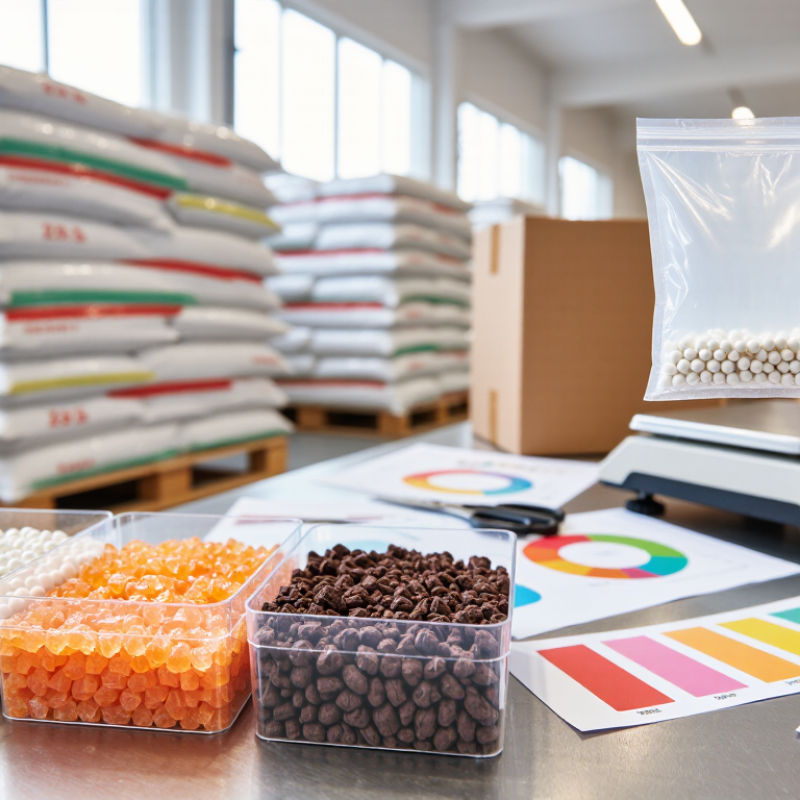
Define Fertilizer Grades with N-P-K Data, Such as 15-15-15 and 18-46-0
When buying fertilizer online from China suppliers, start with the N-P-K label, not the product photo. N means nitrogen, P means phosphate as P2O5, and K means potash as K2O. A 15-15-15 fertilizer contains 15% of each nutrient form, giving 45% declared nutrients. An 18-46-0 grade supplies 18% nitrogen and 46% phosphate, with no declared potash. The numbers are not elemental percentages. This detail often causes costly mistakes.
Industry data supports careful grade selection. The International Fertilizer Association’s Medium-Term Fertilizer Outlook 2024–2028 reports continued global fertilizer demand growth, although regional needs differ sharply. FAO’s World Food and Agriculture Statistical Yearbook 2024 also shows major variation in crop production and input use between farming regions. A balanced 15-15-15 grade may suit general field applications, while 18-46-0 is more concentrated for phosphorus-demanding crops or starter programs. Soil testing should decide the final choice. Guessing is risky.
Before placing an online order, request a recent certificate of analysis for the exact batch. Check nitrogen form, phosphate solubility, moisture, particle size, and anti-caking treatment. Ask for clear photos of labels and sealed bags. I would also compare the declared nutrient content with laboratory results, because attractive pricing can hide uneven granules or excess dust. Request sample material first. Confirm packaging weight, loading port, delivery terms, and export documents in writing. One overlooked point: 18-46-0 may appear cheaper per tonne, but cost per unit of usable nutrient is the fairer comparison. Pricing can change quickly; World Bank fertilizer price data illustrates that volatility.
Fertilizer Grades Compared by N-P2O5-K2O Analysis
Fertilizer grades are expressed as the percentage by weight of nitrogen (N), phosphate (P2O5), and potash (K2O). For example, a 15-15-15 fertilizer contains 15% of each nutrient component, while an 18-46-0 grade contains 18% nitrogen, 46% phosphate, and no potash.
Compare FOB/CIF Quotes, MOQ, Packaging, and 2024 Price Benchmarks
Buying fertilizer online from China requires more than comparing the lowest quoted price. Request both FOB and CIF offers in writing, using the same product grade, loading port, destination port, and shipment month. FOB usually excludes ocean freight and insurance, while CIF includes them to the named destination. A cheap CIF quote may still hide destination charges, customs fees, or demurrage.
For 2024 reference checks, urea commonly appeared around USD 300–450 per metric ton, while DAP often ranged from USD 500–650. NPK prices varied widely, often between USD 280–500, depending on nutrient ratios and raw materials. These figures are indicative, not fixed. Ask for laboratory specifications, recent certificates, production dates, and independent pre-shipment inspection. Details matter.
MOQ can range from one container to several hundred tons. Confirm whether the supplier accepts mixed packaging or trial orders. Standard bags may cost less, but moisture-resistant laminated bags can protect product quality during humid voyages. Compare 25 kg, 50 kg, and one-ton bulk bags by net weight, printing, pallet use, and loading method. I would not trust a polished quotation alone. Payment terms, HS classification, export documents, and shipment history deserve equal attention. One missed detail can erase the apparent saving.
How to Buy Fertilizer Online from Top China Suppliers? - Compare FOB/CIF Quotes, MOQ, Packaging, and 2024 Price Benchmarks
| Fertilizer Type |
Typical Specification |
2024 FOB Benchmark
(USD/MT) |
Illustrative CIF Benchmark
(USD/MT) |
Common MOQ |
Standard Packaging |
Typical Lead Time |
Key Buying Checks |
| Urea Prilled |
Nitrogen 46% min. |
290–390 |
330–460 |
20–27 MT |
25 kg, 50 kg PP/PE bags; 500–1,000 kg jumbo bags |
7–20 days |
Biuret level, moisture, particle size, anti-caking treatment |
| Urea Granular |
Nitrogen 46% min.; granular grade |
300–410 |
340–480 |
20–27 MT |
50 kg bags or 1 MT jumbo bags |
7–20 days |
Granule strength, size distribution, dust content, loading weight |
| Ammonium Sulfate |
Nitrogen 21% min.; sulfur 24% min. |
125–190 |
165–245 |
20–27 MT |
25 kg or 50 kg woven bags; jumbo bags available |
10–25 days |
Nitrogen and sulfur assay, free-flowing condition, chloride and moisture |
| DAP |
18-46-0; nitrogen 18% min., P₂O₅ 46% min. |
520–690 |
570–780 |
20–27 MT |
50 kg PP/PE bags or 1 MT jumbo bags |
10–30 days |
Nutrient analysis, water-soluble phosphate, caking, granule integrity |
| MAP |
11-44-0; nitrogen 11% min., P₂O₅ 44% min. |
500–680 |
550–770 |
20–27 MT |
50 kg bags; 500–1,000 kg jumbo bags |
10–30 days |
Nutrient ratio, particle size, moisture, compatibility with blends |
| NPK Compound |
Common grades: 15-15-15, 16-16-16, 20-10-10 |
260–470 |
310–560 |
20–27 MT |
25 kg or 50 kg bags; private-label printing often available |
15–35 days |
Exact N-P-K ratio, secondary nutrients, chloride content, granule uniformity |
| Potassium Chloride (MOP) |
K₂O 60% min.; granular or standard grade |
250–350 |
295–430 |
20–27 MT |
25 kg, 50 kg bags or jumbo bags |
10–25 days |
K₂O content, sodium and chloride levels, color, particle size |
| Potassium Sulfate (SOP) |
K₂O 50% min.; sulfur 17% min. |
430–620 |
480–700 |
20–27 MT |
25 kg or 50 kg bags; jumbo bags for industrial orders |
15–35 days |
K₂O and sulfur assay, chloride level, water solubility, moisture |
| Water-Soluble NPK |
Common grades: 20-20-20 or 13-40-13 |
650–1,050 |
710–1,180 |
5–20 MT |
1 kg, 5 kg, 10 kg, 25 kg laminated moisture-resistant bags |
15–35 days |
Complete solubility, insoluble residue, trace elements, caking resistance |
| Humic Acid Fertilizer |
Humic acid commonly 50–70%; powder or granular |
180–420 |
230–500 |
5–20 MT |
20 kg or 25 kg laminated bags; jumbo bags for granules |
15–30 days |
Humic and fulvic acid method, pH, solubility, heavy-metal limits |
Benchmark and quotation notes:
The figures above are indicative 2024 bulk-export ranges in USD per metric ton for standard non-branded products sourced from China. Actual prices vary with nutrient analysis, raw-material costs, order volume, season, port, inspection requirements, packaging, payment terms, and applicable trade controls. FOB excludes ocean freight, insurance, import duty, taxes, and destination charges. CIF includes the quoted ocean freight and insurance to the named destination port, but normally excludes unloading, customs clearance, duties, taxes, and inland delivery.
Before Requesting a Quote
- State the exact grade, nutrient tolerance, and physical form.
- Confirm destination port, annual volume, and preferred Incoterm.
- Specify bag material, net weight, artwork, palletization, and container loading.
Documents to Request
- Recent certificate of analysis for the quoted batch.
- Commercial invoice, packing list, bill of lading, and certificate of origin.
- Safety data sheet and any destination-market registration or conformity documents.
Landed-Cost Comparison
- Compare the same nutrient specification and shipment quantity.
- Add freight, insurance, port fees, duties, taxes, inspection, and inland transport.
- Check quote validity because fertilizer prices can change quickly.
Confirm Samples, Lab Tests, Shipping Documents, and Import Compliance
Buying fertilizer online from China should begin with verification, not a low quotation. Request a representative sample from the exact production lot. Check the packaging, color, granule size, and moisture after delivery. Ask for the lot number, production date, specification sheet, certificate of analysis, and safety data sheet. A sample is evidence, not a guarantee. Production can change.
Send the sample to an independent ISO/IEC 17025-accredited laboratory in your country, or use a mutually accepted facility. Test nutrient content, moisture, insoluble matter, pH, and contaminants required by local rules. Compare the results with supplier documents and agreed tolerances. Keep sealed portions for retesting. Do not accept a polished PDF alone. I once overlooked the sampling method, which weakened an otherwise useful test. Record who sampled, when, and how.
Before payment, review shipping and import documents line by line. The commercial invoice, packing list, bill of lading, certificate of origin, safety data sheet, and certificate of analysis should match the product and lot. Confirm the HS code with a customs broker. Check labeling, registration, quarantine, packaging, and destination-country fertilizer requirements. Ask who handles damaged bags, delays, or document corrections. Put these duties in the sales contract. Small mismatches can stop cargo. Some buyers check compliance too late. That mistake is expensive.