Why Choose an Organic Fertilizer Company for Sustainable Farming?
In an age of increasing environmental awareness, choosing an organic fertilizer company is crucial for sustainable farming. According to a report by MarketsandMarkets, the organic fertilizer market is projected to reach $11.2 billion by 2025. This growth reflects a shift toward eco-friendly practices in agriculture. Farmers are looking for solutions that enhance soil health while minimizing chemical use.
Organic fertilizers enrich the soil with essential nutrients. They promote biodiversity and support the ecosystem. A study from the Rodale Institute indicates that organic farming practices can increase yields by 20% over time. Yet, challenges remain. Not all organic fertilizers are created equal, and some farmers may struggle to find reliable sources.
Choosing the right organic fertilizer company can be a daunting task. It's essential to evaluate their product quality and sustainability practices. As farmers seek better options, they must also reflect on their long-term impact on the environment. Making informed decisions can lead to healthier crops and a thriving ecosystem.

Benefits of Organic Fertilizers for Soil Health and Ecosystem
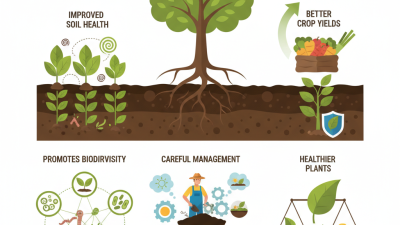
Organic fertilizers play a crucial role in enhancing soil health. They improve soil structure, making it more porous and able to retain water. Healthy soil supports diverse microorganisms, which contribute to nutrient availability. This creates a thriving ecosystem that benefits plants and animals alike. When soil is rich in organic matter, crops often show better growth and resilience against pests.
Using organic fertilizers can also reduce chemical runoff. This is important because runoff can pollute waterways, harming fish and other aquatic life. However, relying solely on organic methods can be challenging. Not all farmers have the same access to high-quality organic options. Some may struggle with consistent supply or affordability, which can lead to mixed results in crop production.
Educating farmers on the benefits of organic practices is vital. It inspires a shift towards sustainable farming. Farmers must be aware of their local soil conditions and choose products that suit them best. A one-size-fits-all approach does not apply. Each farm is unique, requiring careful consideration of organic fertilizers and their application.
Benefits of Organic Fertilizers for Soil Health
This chart illustrates the various benefits of using organic fertilizers for sustainable farming, highlighting significant improvements in soil structure, microbial activity, nutrient availability, reduction of chemical runoff, and increased crop yields.
Impact of Organic Fertilizers on Crop Yield and Quality
Organic fertilizers play a crucial role in enhancing crop yield and quality. They enrich the soil with essential nutrients. These nutrients improve soil health, promoting vibrant plant growth. Using organic fertilizers can lead to healthier produce, which often fetches a higher market price. Farmers who make the switch can expect more robust plants, resistant to diseases and pests.
Tips: Test your soil regularly. Know what nutrients it lacks. Selecting the right organic fertilizer can make a significant difference. Observe how your crops respond. It may take time to see the full benefits.
The impact of organic fertilizers isn’t always immediate. Some farmers might experience slower results initially. Patience is essential during this transition. Besides, there’s a learning curve. Understanding specific crop needs is vital. The quality of organic fertilizers varies greatly; not all products yield the same results. Thus, continuous reflection on what works best in your unique setting is necessary.
Comparison of Organic vs. Chemical Fertilizers in Sustainable Practices
Choosing between organic and chemical fertilizers is crucial for sustainable practices. Organic fertilizers, derived from natural sources, enrich the soil with vital nutrients. They improve soil health over time. Microorganisms thrive in organic-rich environments. They help plants absorb nutrients more efficiently. Chemical fertilizers offer immediate results, but they can lead to soil depletion and nutrient runoff.
Organic fertilizers tend to release nutrients slowly. This can be frustrating for farmers seeking rapid growth. However, the long-term benefits often outweigh this. Soil structured improves with organic matter. It retains moisture, reducing the need for irrigation. Yet, not all organic options are perfect. Certain methods can still harm the environment. Farmers must choose wisely.
Chemical fertilizers can boost production in the short term. Yet, they carry risks of water pollution and health issues. Overuse can create imbalances in the ecosystem. A thoughtful approach is necessary. Weighing the immediate gains against long-term impacts is essential. Sustainable farming requires careful consideration of both options. This is often a challenging choice for many farmers.
Why Choose an Organic Fertilizer Company for Sustainable Farming? - Comparison of Organic vs. Chemical Fertilizers in Sustainable Practices
| Aspect |
Organic Fertilizers |
Chemical Fertilizers |
| Source |
Natural materials (e.g., compost, manure) |
Synthetic compounds |
| Nutrient Release |
Slow, long-term availability |
Fast, immediate results |
| Soil Health |
Enhances soil structure and microbial activity |
May degrade soil health over time |
| Environmental Impact |
Lower risk of water pollution |
Higher risk of runoff and contamination |
| Cost |
Generally higher upfront cost |
Lower initial cost |
| Sustainability |
Promotes sustainable agriculture |
Not inherently sustainable |
Certification and Standards in Organic Fertilizer Production
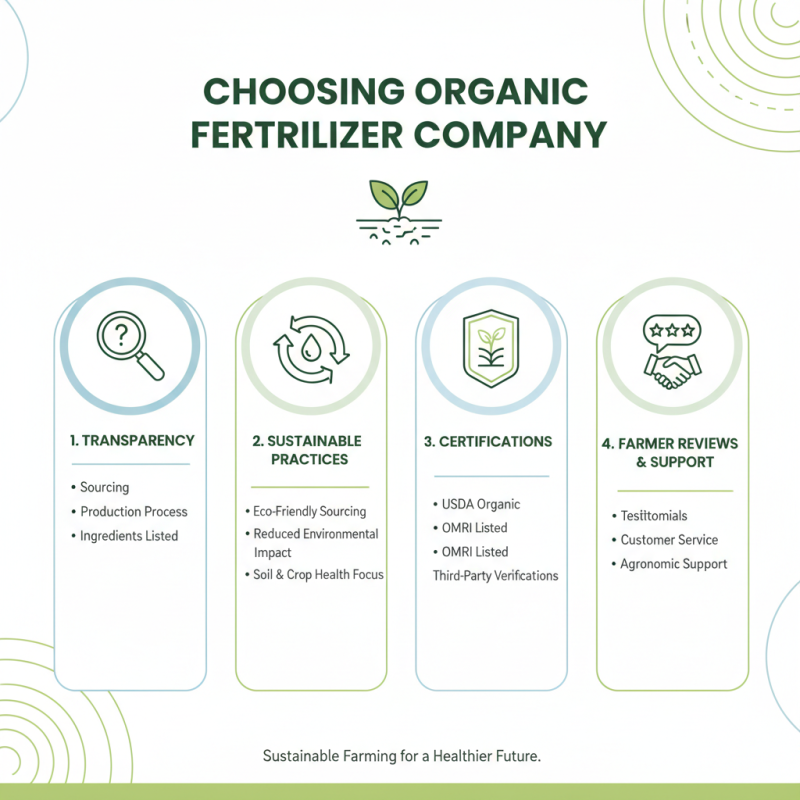
When choosing an organic fertilizer company, understanding certification and standards is crucial. Organic fertilizers must meet strict criteria set by various organizations. These certifications ensure the products are safe and effective for sustainable farming. They often require evidence of natural sourcing and non-toxic production processes.
Many small farms struggle to find fertilizers that meet these rigorous standards. Sometimes, they may settle for products that don’t fully comply. This can lead to poor crop yields and soil degradation. It's essential to research companies that provide transparent information about their certifications. Look for signs of third-party verification.
Tips: Always ask for documentation of organic certifications before purchasing. Check if a company's practices align with your values. Engage in community discussions about reputable suppliers. It’s vital to reflect on your choices. Are they truly supporting sustainable practices?