How to Choose the Best Butterfly Valves for Sale?
When it comes to selecting the best butterfly valves for sale, expert insights can be invaluable. John Smith, a renowned valve engineer, once stated, “Choosing the right butterfly valve is crucial for system efficiency.” His perspective highlights the importance of careful consideration in this field.
Butterfly valves are widely used in various industries. The right choice can lead to enhanced performance and reliability. For example, it's essential to consider factors like material compatibility and pressure ratings. Many buyers overlook these details, resulting in potential failures.
Additionally, the market offers a diverse range of options. Not all butterfly valves for sale are created equal. Customers should assess their unique needs before making a purchase. This process can be overwhelming, and without proper guidance, mistakes may happen. Understanding the specifics can make a significant difference in ultimate performance and longevity.
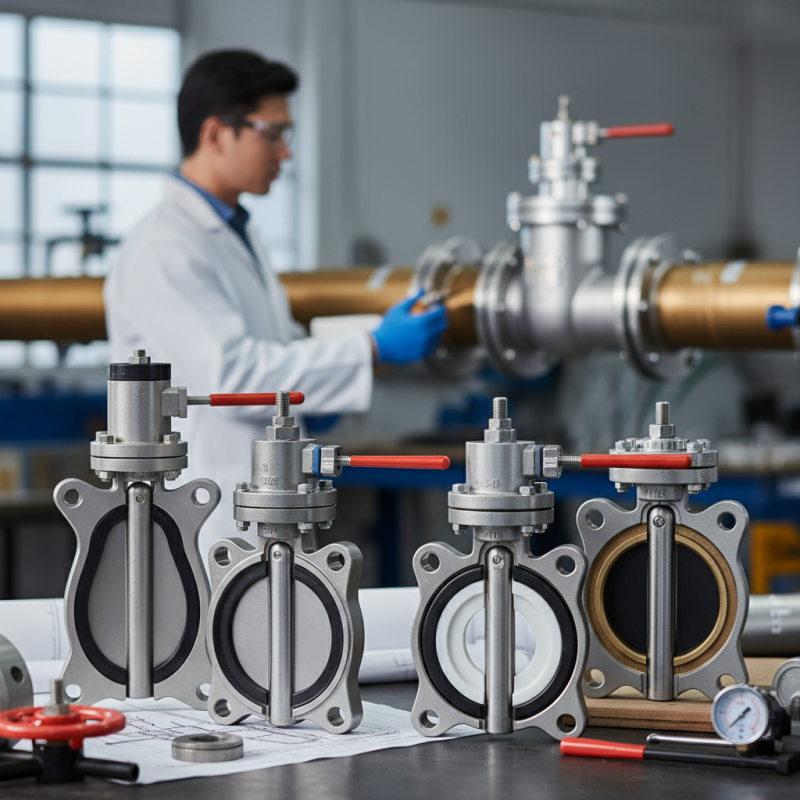
Understanding the Basics of Butterfly Valves and Their Applications
Butterfly valves are crucial in many industries. These valves control flow in various applications. Understanding their basics can lead to better choices.
The construction of a butterfly valve is simple yet effective. It consists of a disc mounted on a rotating shaft. This design allows for quick opening and closing. According to industry reports, butterfly valves account for about 20% of the global valve market. Their lightweight design aids in cost reduction during installation. However, they may not be suitable for all pressure conditions.
Application areas include water treatment and HVAC systems. In these systems, they perform efficiently in both throttling and flow isolation. However, some engineers point out that butterfly valves may face issues with tightness.
Improper installation can lead to leaks. Additionally, working with corrosive fluids may require special materials. Choices made without proper research can lead to performance issues. Balancing cost and functionality is key.
Key Factors to Consider When Selecting Butterfly Valves
When selecting butterfly valves, several key factors come into play. First, consider the size of the valve. It needs to fit properly within your piping system. Too big or too small can lead to inefficiency. Measure the diameter accurately. Sometimes, mistakes occur in this step. Double-checking can save time and resources.
Next, think about the material. Butterfly valves are available in various materials, such as stainless steel or plastic. Each material has its own benefits and drawbacks. For instance, stainless steel offers durability but may be more expensive. Plastic valves are lighter and cheaper, but they might not withstand high-pressure situations. Evaluate your application needs thoroughly.
Another important factor is the valve's pressure rating. Not all valves handle the same pressure levels. Be aware of the operating conditions, as this will affect valve performance. Some valves can fail under excessive stress. Understanding these ratings helps in making a more informed decision. Always remember, precision in your selection leads to better outcomes.
Evaluating Material Types for Butterfly Valves
Choosing the right material for butterfly valves is crucial. The choice affects performance and longevity. Common materials include stainless steel, cast iron, and PVC. Each has pros and cons.
Stainless steel offers high strength and corrosion resistance. It's ideal for harsh environments. However, it can be expensive. Cast iron is sturdy but may corrode over time. It's useful for low-pressure applications.
PVC is lightweight and resistant to many chemicals. Yet, it may not handle high temperatures well.
Consider the fluid type it will control. Think about pressure, temperature, and flow. Sometimes, a cheaper option may not be the best choice. Reflect on the specific needs of your project. Choosing the wrong material can lead to early failure. Always evaluate potential risks and requirements carefully.
Sizing and Pressure Ratings for Optimal Butterfly Valve Performance
Choosing the right butterfly valve requires careful attention to sizing and pressure ratings. The diameter of the valve must match the pipe size to ensure optimal flow. For example, a 6-inch valve may not perform well with a 4-inch pipe. According to the Valve Manufacturers Association, mismatched sizes can reduce efficiency by as much as 20%.
Pressure ratings play a critical role in valve performance. Standard ratings like ANSI Class 150 or 300 provide a guideline for maximum pressure levels. However, environmental factors often dictate real-world performance. A valve rated for 150 psi may fail under vibrational stresses or thermal fluctuations. Indeed, a study found that nearly 15% of butterfly valve failures are due to inadequate pressure rating assessment.
Consider the application when choosing valves. Are they for water, gas, or corrosive substances? Each application demands different materials and designs. A common mistake is assuming that one size fits all. This can lead to catastrophic results. Additionally, ensure proper installation. Faulty alignment can reduce lifespan, sometimes by 50%. It's vital to rethink assumptions and evaluate specific needs carefully.
How to Choose the Best Butterfly Valves for Sale? - Sizing and Pressure Ratings for Optimal Butterfly Valve Performance
| Valve Size (inches) | Pressure Rating (psi) | Body Material | Media Compatibility | Temperature Range (°F) |
| 2 | 150 | Cast Iron | Water, Oil | 32 to 180 |
| 4 | 200 | Stainless Steel | Water, Chemicals | 0 to 300 |
| 6 | 250 | PVC | Water, Slurry | 32 to 140 |
| 8 | 150 | Ductile Iron | Air, Gas | 40 to 200 |
| 10 | 300 | Aluminum | Water, Oil | -30 to 250 |
Assessing Manufacturer Reputation and Product Warranty
When selecting butterfly valves, evaluating the manufacturer's reputation is crucial. It's not just about the price. A company's history reflects its reliability. Look for manufacturers with positive reviews and a solid track record. Experience matters. Newer companies may lack the depth of knowledge required for complex needs. Customer feedback often highlights potential issues. Take this seriously.
Product warranty is another key factor. A strong warranty indicates confidence in their products. Pay attention to the duration and what it covers. A lengthy warranty can reflect the durability of the valve. However, short warranties may raise concerns. Don't overlook the fine print. Some warranties come with limitations that might surprise you later.
Before purchasing, dual-check both aspects. Research online and ask for recommendations. It's okay to feel uncertain; this means you care about your choice. Skipping diligence may lead you to regrets later. Gather information from various sources. Consult industry professionals when in doubt.