How to Choose Classic Straw Hats for Your Business Needs?
In the ever-evolving fashion industry, choosing the right "Classic Straw Hats" for your business can be challenging. Recent reports suggest that the global straw hat market is projected to reach $2 billion by 2026, driven by rising consumer demand for sustainable and fashionable headwear. Understanding trends and sourcing quality materials are critical for success in this niche.
John Thompson, a renowned expert in headwear design, states, "Choosing the right hat is not just about style; it's about quality and consumer connection." His insights emphasize the need for businesses to reflect on their target audience's preferences when selecting hats. Classic Straw Hats offer a blend of durability and timeless appeal, making them a versatile choice for diverse markets.
However, businesses often overlook the importance of product differentiation. With countless styles available, identifying unique features can set your brand apart. It's essential to balance trends with classic styles while ensuring the hats resonate with consumers. Reflecting on these elements can enhance your selection process and ultimately drive sales.
Understanding Different Types of Classic Straw Hats for Business
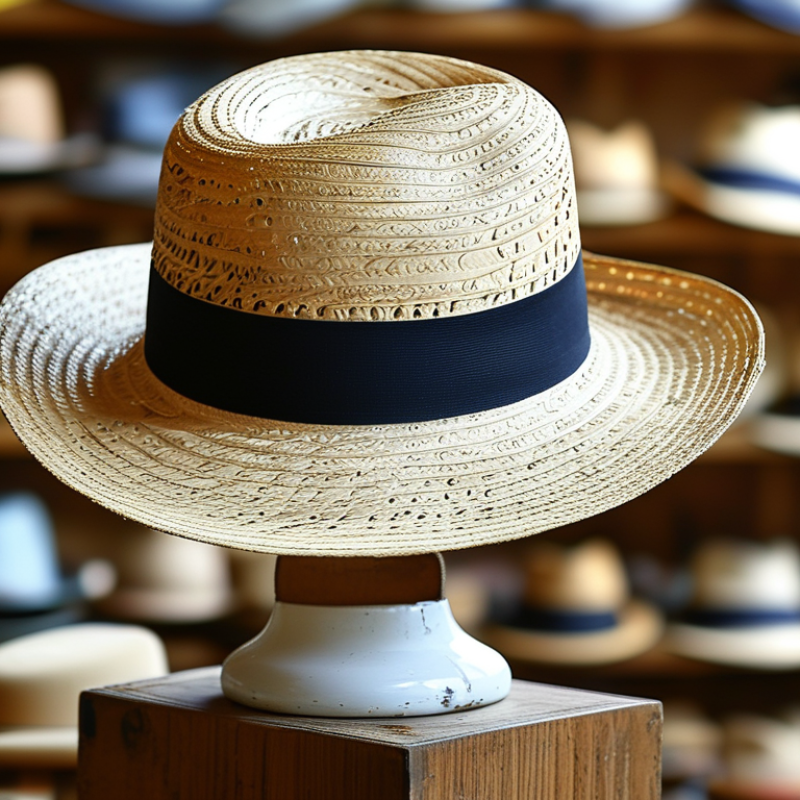
When selecting classic straw hats for business, it's vital to understand the types available. Wide-brimmed straw hats offer excellent sun protection, making them great for outdoor events. They come in various straw materials, each affecting durability. Natural straw often looks elegant but may wear out more quickly. Synthetic straw, on the other hand, can withstand the elements longer, though it may lack the classic appeal.
Another option is the fedora style, which blends sophistication with functionality. Fedoras can be paired with business attire, providing a stylish edge while retaining practicality. Consider the color and design; neutral tones often suit a wider audience but might need occasional flair. In contrast, bold colors can attract attention but may limit their use.
Reflect on your audience's preferences when choosing. A hat that appeals to one demographic might not resonate with another. It's essential to strike a balance between style and utility. The right hat can elevate your business image, but a hasty choice can detract from it. Remain open to feedback, as customer perceptions may reveal what works and what doesn't.
How to Choose Classic Straw Hats for Your Business Needs?
| Type of Straw Hat | Material | Features | Best For | Price Range (USD) |
| Wide Brim Hat | Natural Straw | Sun protection, stylish | Outdoor events | 20 - 50 |
| Fedora | Straw Blend | Classic style, versatile | Casual business | 30 - 70 |
| Panama Hat | Toquilla Straw | Breathable, lightweight | Travel, leisure | 50 - 150 |
| Baker Boy Hat | Woven Straw | Trendy, retro | Fashion events | 25 - 60 |
| Summer Floppy Hat | Synthetic Straw | Flexible, colorful | Beach outings | 15 - 40 |
Evaluating Quality: Materials and Construction of Straw Hats
When selecting straw hats for your business, examining the quality is essential. The materials used significantly influence a hat's durability and comfort. High-quality straw should feel sturdy yet flexible. Natural fibers like wheat, palm, or hemp create a breathable hat that can withstand wear over time. Check for a smooth finish. A rough texture may indicate poor crafting and could lead to discomfort.
Construction plays a vital role too. Look for tightly woven straw. This ensures better structure and longevity. Hats should have reinforced brims to avoid sagging. Examine the stitching. Tight and even stitches are a sign of good craftsmanship. Loose or uneven stitching increases the risk of unraveling. A well-crafted hat should hold its shape even after prolonged use.
Consider the weight of the hat as well. A lighter hat is better for long wear, while a heavier construction may confer durability. However, finding the right balance is crucial. Too heavy can be cumbersome, too light may indicate poor quality. Reflect on what aspect matters most for your business needs. Prioritize quality over cost, as long-lasting hats can save you money in the long run.
Sizing and Fit: How to Choose the Right Size for Your Target Audience
When selecting classic straw hats for your target audience, sizing and fit are pivotal. Understanding the head size of your customers ensures comfort and satisfaction. Many people overlook this fundamental aspect. A poorly fitting hat can lead to discomfort and deter customers from future purchases.
To gauge the right size, consider offering a size chart. Measure the circumference of the head, just above the ears. Typical sizes range from small to large. It’s crucial to embrace a variety of sizes to cater to diverse demographics. If your audience includes children, make sure to include youth sizes.
Encourage customer feedback about fit. This can help you identify common issues or preferences. Some customers might prefer a snug fit, while others enjoy a looser style. Collecting opinions is essential; what works for one group may not work for another.
Keep in mind that various hat styles can also affect fit. A wide-brimmed hat may feel different than a fedora. Providing options and ensuring clarity in size will enhance your customers' experience.
Design and Customization Options for Branding Purposes
When selecting classic straw hats for your business, design and customization options are key to effective branding. Your choice of color and style can convey your brand's personality. For instance, vibrant hues may appeal to a younger audience, while muted tones often attract a more sophisticated crowd. Consider incorporating your logo in a way that enhances the hat’s aesthetic rather than overwhelming it.
Choosing the right material also matters. High-quality straw ensures durability, which reflects positively on your brand. Customization can be expanded beyond logos. Think about adding unique patterns or stitching that tell a story. Personal touches resonate with customers and create a deeper connection.
For effective branding, prioritize simplicity. Complicated designs may confuse customers. Opt for clear, bold logo placements that are easily recognizable. Test various designs to see what resonates with your audience. Gathering feedback can refine your approach. Innovation is critical, but don’t shy away from classic styles that ensure timeless appeal.
Cost Considerations: Budgeting for Classic Straw Hat Purchases
When budgeting for classic straw hat purchases, it’s essential to consider several factors. The global straw hat market was valued at approximately $4.3 billion in 2022, with a projected growth rate of over 5% per year. Understanding these market trends can help businesses set realistic budgets for their inventory. Analyzing cost versus quality can be a challenge. Higher-priced hats often signify better craftsmanship, yet some lower-cost options may appeal to your target market.
Bulk purchasing can significantly reduce individual costs. Many suppliers offer discounts for buying in larger quantities. However, investing in high-quality materials is crucial. A cheap hat may save money initially but could lead to higher replacement costs. As many customers prioritize sustainability, choosing responsibly sourced materials can enhance brand image while keeping expenses in check.
Keep in mind that pricing strategies can vary widely. Some retailers mark up classic straw hats by 100% or more. Understanding the competition is vital. Regularly reviewing pricing trends can help adjust budgets more accurately. Consider creating a flexible budget that allows for unexpected changes in cost, especially for market fluctuations. Balancing quality, cost, and market demand will lead to better long-term profitability.