2026 How to Choose Water Soluble Fertilizers for Optimal Plant Growth?
Choosing the right water soluble fertilizers is crucial for optimal plant growth. According to Dr. Emily Green, an expert in plant nutrition, “Water soluble fertilizers are vital for delivering nutrients directly to the plant roots.” This highlights the importance of these fertilizers in promoting healthy plant development.
When selecting water soluble fertilizers, it's essential to consider the specific nutrient needs of the plants. Different plants require different levels of nutrients. For instance, flowering plants may need higher phosphorus levels, while leafy greens thrive on nitrogen. Knowing your plants' needs can guide better fertilizer choices.
Moreover, the application method matters. Over-fertilizing can lead to nutrient imbalances. It's vital to follow recommended rates and timings. These decisions can greatly impact plant health. Reflecting on the importance of proper selection and application helps ensure that your garden flourishes. Choosing the right water soluble fertilizers is not just a simple task; it demands careful consideration and reflection.
Understanding Water Soluble Fertilizers and Their Benefits for Plants
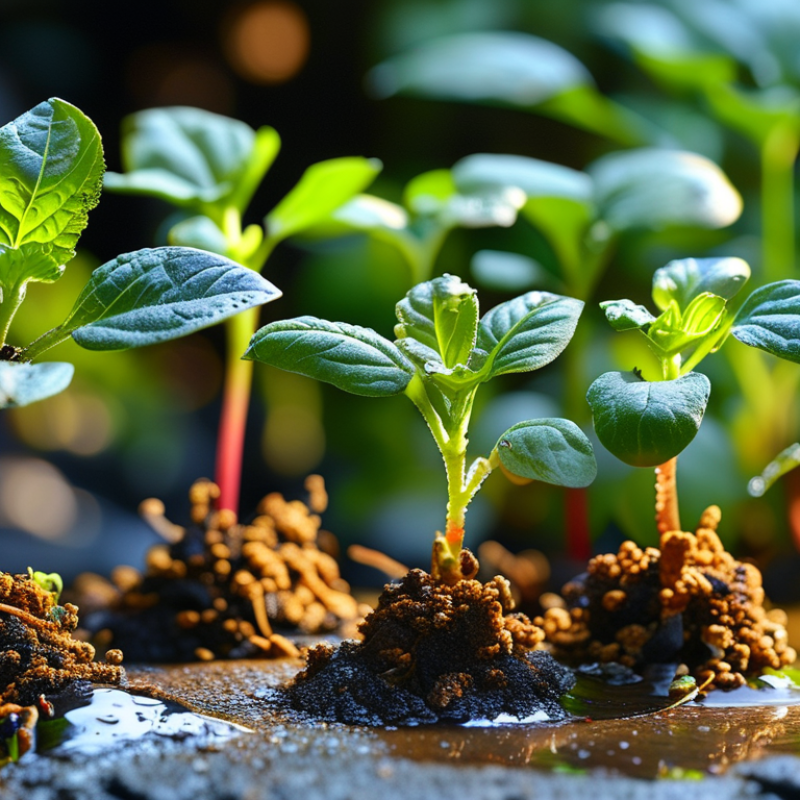
Water-soluble fertilizers are essential for optimal plant growth. They dissolve easily in water, making it simple for plants to absorb nutrients. These fertilizers offer a quick uptake, providing immediate benefits to your plants. The balanced composition ensures that plants receive the necessary nutrients like nitrogen, phosphorus, and potassium in a form they can utilize rapidly.
Using water-soluble fertilizers can enhance growth but requires careful application. Over-fertilization can lead to nutrient burn, harming plants rather than helping them. It's also important to consider the timing of application. Early morning or late afternoon is ideal for minimizing evaporation and maximizing absorption. Understanding the specific needs of each plant type is critical. Some may require higher nitrogen, while others thrive with more potassium.
Not every water-soluble fertilizer is suitable for all plants. A diverse garden will have different nutrient demands. Testing your soil can provide insight into what your plants need. Reflecting on past fertilization strategies can help you improve. Observing plant responses to fertilization will lead to better future choices. It’s a continuous learning process, balancing between providing nutrients and ensuring plant health.
Key Nutrients in Water Soluble Fertilizers: NPK Ratios Explained
Water soluble fertilizers (WSF) are crucial for achieving robust plant growth. These fertilizers are easily absorbed by plants, maximizing nutrient uptake. Key nutrients in WSF include nitrogen (N), phosphorus (P), and potassium (K). The ratios of these nutrients directly influence plant health and yield.
For instance, a common NPK ratio is 20-20-20. This balanced formula provides equal parts of each nutrient, supporting overall development. Research shows that different growth stages require varying NPK ratios. In the vegetative phase, plants benefit from higher nitrogen levels, promoting lush foliage. Reports suggest that nitrogen levels should be around 25% higher during this period for optimal results. In contrast, during the flowering stage, a shift to higher phosphorus and potassium can enhance flowering and fruiting.
Understanding soil conditions is essential when choosing WSF. Soil pH and nutrient content impact nutrient availability. Therefore, a soil test can provide valuable insights. A mismatch in nutrient supply can hinder growth. For instance, excessive nitrogen can lead to lush growth but poor fruit yield. Awareness of these dynamics ensures a more tailored approach to fertilization, which is key for achieving successful plant growth.
Factors to Consider When Selecting Water Soluble Fertilizers
Selecting the right water soluble fertilizers is crucial for plant growth. When choosing fertilizers, consider several key factors. The nutrient ratio is paramount. A balanced N-P-K ratio supports healthy growth. But remember, different plants have unique needs depending on their life stage.
Another vital factor is solubility. Ensure the fertilizer dissolves easily in water. This helps deliver nutrients quickly. Slow-dissolving fertilizers may not give plants immediate access to essential elements. Consider the timing of application as well. Fertilizers should align with your plants' growth cycle.
Tips to keep in mind:
- Test your soil before choosing a fertilizer. This reveals the nutrients already present.
- Pay attention to the specific needs of your plants. Over-fertilization can harm them.
- Observe your plants after application. If you notice discoloration, adjust the fertilizer type or amount.
Ultimately, the right choice will enhance growth. However, be prepared to reassess and adapt based on your observations. Always stay informed about new techniques and findings in the field of horticulture.
Application Methods for Optimal Results with Water Soluble Fertilizers
When using water soluble fertilizers, application methods play a crucial role in achieving optimal results. Spraying fertilizers on foliage can enhance nutrient absorption. Research indicates that foliar application can increase nutrient uptake by up to 40%. This method is especially effective during nutrient deficiencies. However, timing is essential; apply fertilizers in the early morning or late afternoon to reduce evaporation.
Soil drenching is another effective method. This approach ensures nutrients directly reach the root zone. A study reported that soil applications can increase crop yield by 20-30% when done correctly. Adjust the dilution rates and frequency based on plant needs and weather conditions. Overapplication can lead to nutrient leaching, which is inefficient.
Tip: Always test soil before applying water soluble fertilizers. Regular soil tests ensure you meet the specific nutrient needs of your plants. Monitor plant responses closely. If growth seems slow, consider reassessing your application methods and fertilizer concentration. Remember, balance is key. Too much fertilizer can hinder plant growth, causing stress and toxicity.
Water Soluble Fertilizers Application Analysis
Common Mistakes to Avoid When Using Water Soluble Fertilizers
When using water soluble fertilizers, common mistakes can hinder plant growth. Many gardeners overlook the importance of timing. Applying fertilizers during the wrong growth stages can lead to nutrient deficiencies or excesses. For instance, a study from the Horticultural Science Journal noted that over-fertilization during flowering stages can inhibit fruit development.
Another frequent error is not fully dissolving the fertilizer. Partially dissolved nutrients might not be effectively absorbed by plants. Research shows that 30% of nutrients can be wasted when fertilizers are not properly mixed. Using the correct concentration is also essential. A survey by the Fertilizer Institute found that 25% of growers use too strong a solution, harming plants instead of helping them.
Monitoring water quality is crucial, yet often ignored. Contaminated water can alter nutrient availability. Regular testing for pH and salinity ensures plants receive the right nutrients. According to the Soil Science Society, 10% of urban gardeners face issues due to water quality. Adjusting water factors is vital for optimal growth. These insights highlight the need for careful application of water soluble fertilizers.