10 Effective Tips for Using Green Fertilizer in Your Garden?
Using green fertilizer in your garden can transform your soil and plants. It boosts growth while protecting the environment. Organic options like compost and manure improve soil health. Many gardeners wonder how to start effectively using green fertilizers.
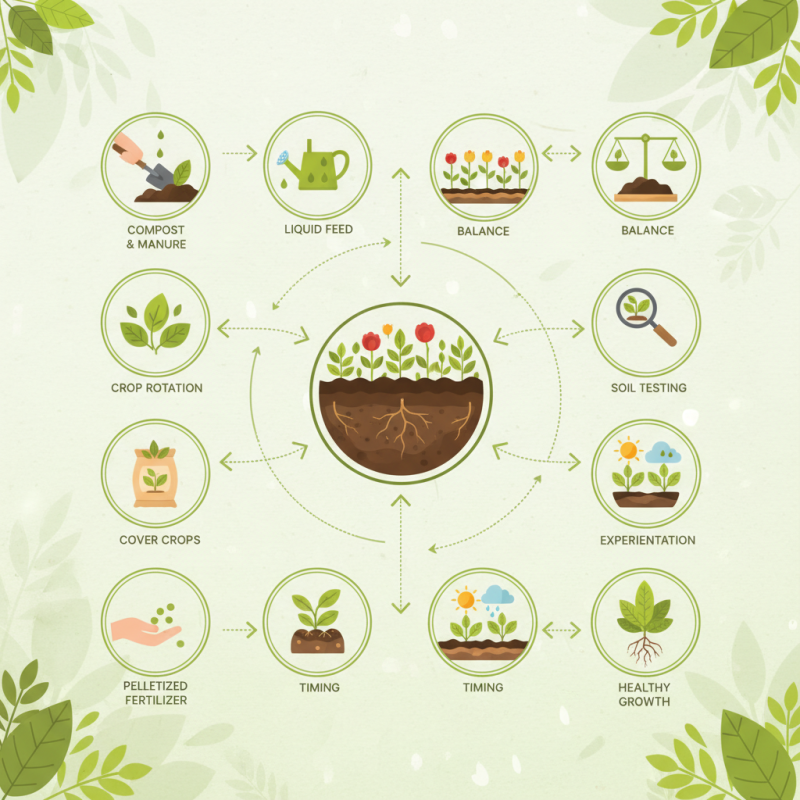
A thoughtful approach is essential. For instance, overusing any fertilizer can harm your plants. Understanding the right balance is crucial. Various green fertilizers have different nutrient profiles. Selecting the appropriate type can make a big difference.
Experimenting is part of the gardening journey. Sometimes, methods may not yield expected results. Reflecting on these experiences helps you learn. Green fertilizer can contribute to a thriving garden while fostering sustainability. Embrace the challenge of improving your gardening practices.
Understanding the Benefits of Green Fertilizers in Gardening
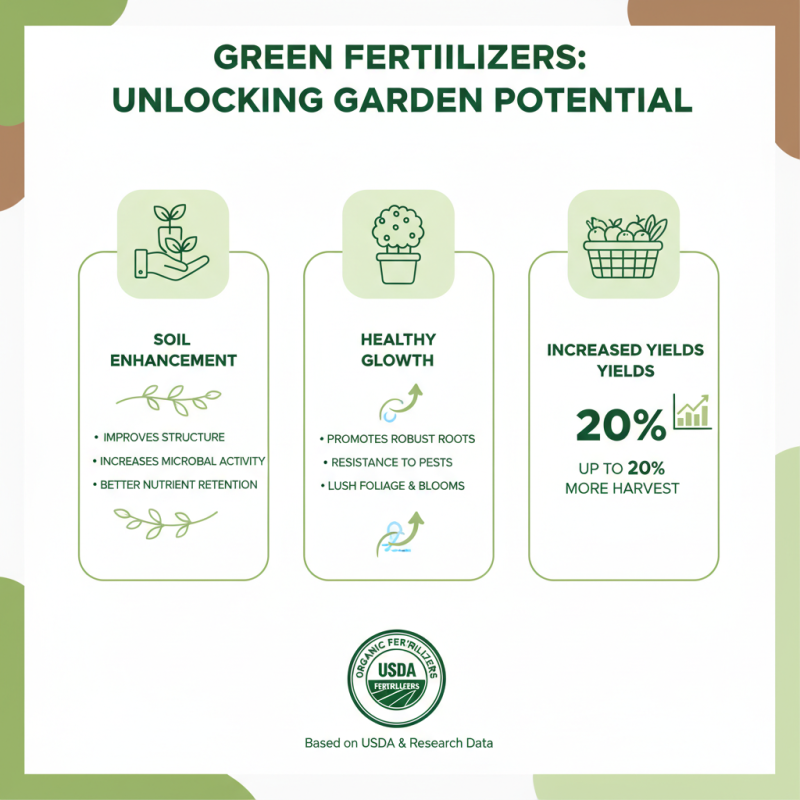
Green fertilizers are gaining popularity among gardeners. They enhance soil quality and promote healthy plant growth. According to the USDA, organic fertilizers improve soil structure and increase microbial activity. This leads to better nutrient retention. In fact, studies show that gardens using green fertilizers can see yields increase by up to 20%. This statistic is compelling for those looking to maximize their garden’s potential.
One significant benefit of green fertilizers is their environmental impact. Traditional fertilizers can contribute to soil degradation. In contrast, green fertilizers build long-term soil health. They often contain natural components like compost or green manure. Research suggests that applying organic methods can reduce soil erosion by nearly 50%. However, transitioning to green fertilizers requires patience. Sometimes, the effects take longer to manifest. It's essential to observe the garden's response over time.
Choosing the right type of green fertilizer involves trial and error. Not every plant will thrive with the same amendment. Some gardeners may find they must adjust their approach based on varying soil conditions. Understanding specific nutrient needs is crucial. While green fertilizers offer many benefits, results can vary. A gardener’s experience can guide future decisions.
Selecting the Right Type of Green Fertilizer for Your Plants
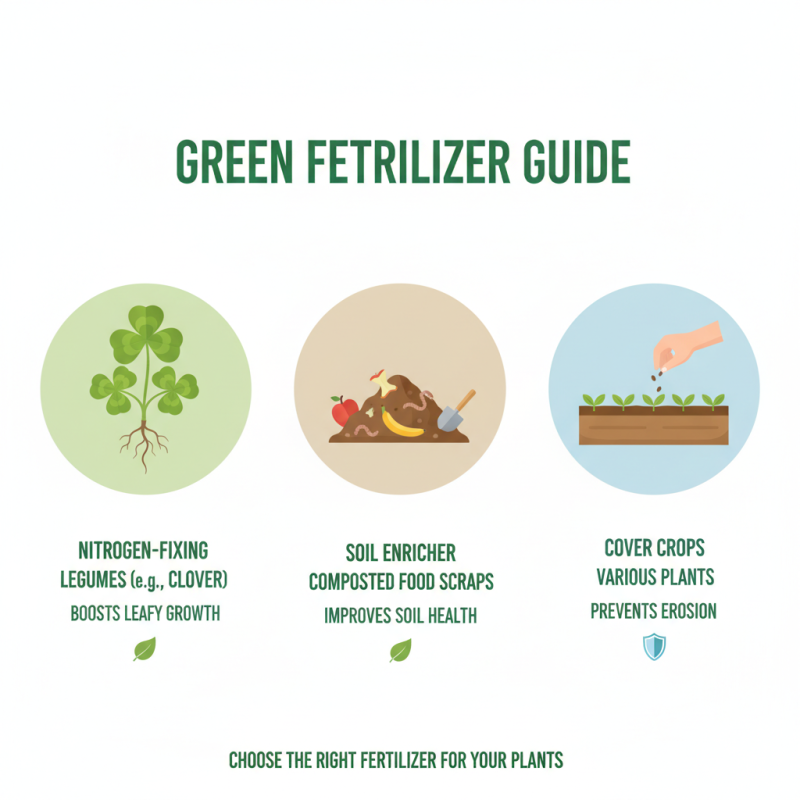
Selecting the right type of green fertilizer is essential for a thriving garden. Various options exist, each catering to different plant needs. For example, legumes like clover can enrich soil with nitrogen. This is crucial for leafy plants. On the other hand, composted kitchen scraps can boost overall soil health.
Consider the specific requirements of your plants. Some prefer a slower release of nutrients, while others thrive on quick feeding. Research shows that mixing different green fertilizers can enhance soil life. However, not every combination is effective. Some mixtures can lead to nutrient imbalances. That could harm plant health.
Incorporating green fertilizers requires attention. Monitor your plants closely after application. Some might react poorly. Adjust your approach based on their feedback. Observing changes in growth can guide further choices. It's a learning process. Gardening involves trial and error, but it's rewarding when done right.
How to Properly Apply Green Fertilizer for Optimal Growth
Applying green fertilizer in your garden can enhance soil quality and plant health. To start, identify the right timing for application. Spring is often ideal, when plants are ready to grow. However, applying too early can lead to nutrient depletion. Always check soil moisture levels. Too wet or too dry can affect absorption.
When spreading green fertilizer, aim for an even layer. Use a spreader or your hands, but avoid clumps. These can lead to uneven growth. Lightly work it into the topsoil, ensuring it mixes well. This helps promote optimal nutrient uptake. If you're not careful, you might end up with patches of over-fertilized soil, which can harm plant roots.
Monitor your plants closely after application. Look for signs of nutrient burn, like curling leaves. Some plants require less fertilizer. Knowing your garden’s specific needs can help avoid waste and encourage healthier growth. Experimenting with different types can also provide insights. It’s a journey of learning, trial, and error. Each season offers an opportunity to adjust and improve your approach.
Timing Your Green Fertilizer Application for Best Results
Timing your green fertilizer application is crucial for maximizing its benefits. According to a report from the University of California, applying fertilizers during specific growth stages can improve nutrient uptake by 20-30%. This means that understanding your plants' life cycles is essential.
Spring is often recommended for the first application, as many plants prepare for their growth phase. However, early spring can be tricky. Soil temperatures should ideally reach 55°F for optimal microbial activity. In colder regions, this timing can pose challenges.
Additionally, late summer applications are often overlooked. Fertilizing before fall helps strengthen plant roots and sets them up for winter. However, over-fertilizing can lead to nutrient runoff and potential harm to local waterways. A recent study found that 70% of garden fertilizers contribute to nutrient pollution when mismanaged. Balancing timing and application amounts is vital for sustainable gardening practices.
Monitoring Soil Health and Plant Response to Green Fertilizers
Monitoring soil health is crucial when using green fertilizers.
Test your soil before application. Check for pH, nitrogen levels, and organic matter.
Soil test kits are readily available and provide valuable information.
Observe how plants respond to these fertilizers. Look for changes in growth patterns.
Healthy plants often show vibrant colors and strong stems.
However, not every plant reacts the same way. Some may struggle despite the application of green fertilizers.
It’s essential to assess their needs.
Keep a gardening journal. Document what works and what doesn't.
This process can be enlightening. You might find certain plants thrive under specific conditions.
Yet, other plants may show less vigor. Adjust your methods based on these insights for future planting seasons.