10 Essential Tips for Choosing Water Soluble Fertilizers for Your Garden?
Choosing the right water soluble fertilizers is crucial for successful gardening. According to the International Fertilizer Association, water soluble fertilizers represent a significant portion of the global fertilizer market, valued at over $20 billion. These products can enhance plant growth and optimize nutrient delivery, making them a favorite among professional gardeners.
Expert Dr. Jane Thompson emphasizes that "the right balance of nutrients in water soluble fertilizers can lead to healthier plants and higher yields." This statement highlights the importance of understanding the components and ratios in these fertilizers. Yet, many gardeners overlook critical factors such as pH levels and specific plant needs, risking suboptimal growth.
Incorporating water soluble fertilizers without proper guidance can be a hit-or-miss. It's easy to get lost in the variety of products available. Sometimes, popular brands don't suit every garden. Thoughtful selection based on individual plant requirements is essential for achieving the best results. A gardener’s path to thriving plants can be riddled with mistakes, but learning from these experiences is part of the growth process.
Understanding Water Soluble Fertilizers and Their Benefits
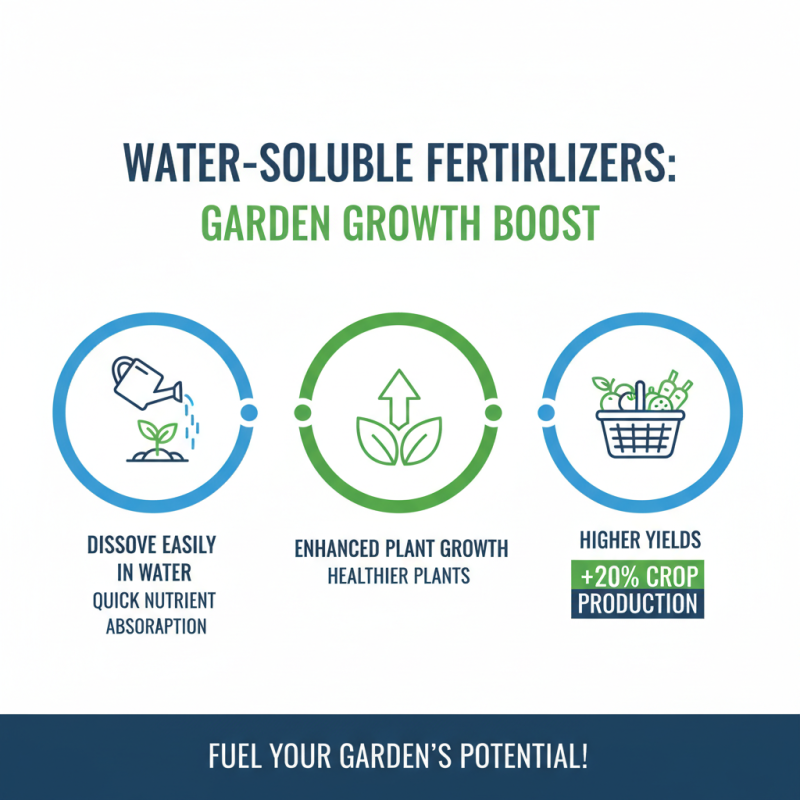
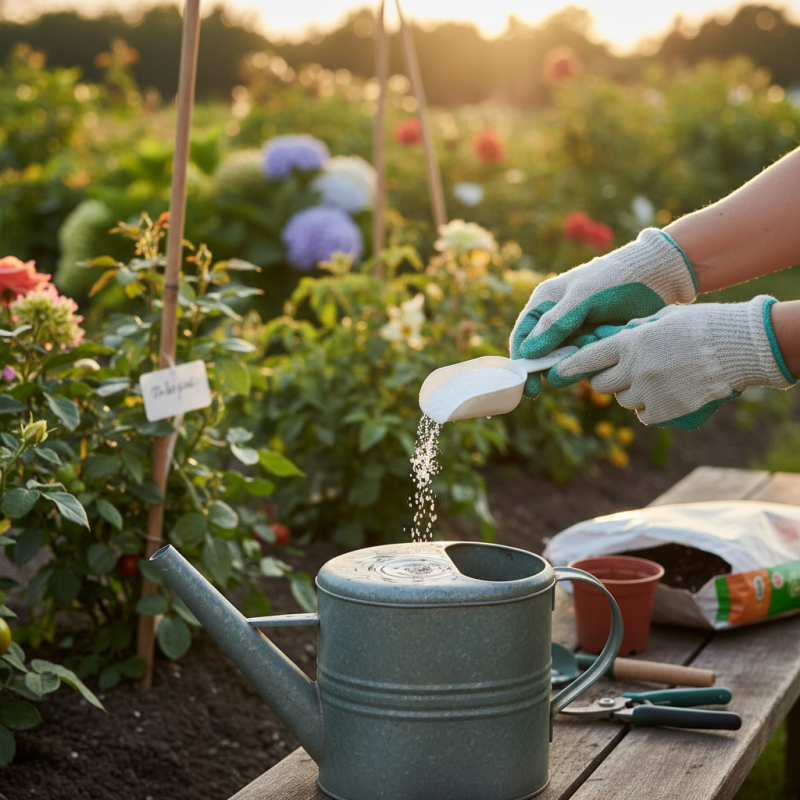
Water soluble fertilizers provide an effective way to nourish your garden. They dissolve easily in water, allowing plants to absorb nutrients quickly. This form of fertilization can enhance plant growth, leading to higher yields. According to industry reports, using water soluble fertilizers can increase crop production by up to 20% in some cases.
One key tip is to choose fertilizers based on your specific plants’ needs. Vegetables, flowers, and shrubs may require different nutrient ratios. Always check soil pH and nutrient content before applying any fertilizer. This can prevent over-fertilization, which may harm plants and degrade soil health. Monitoring plant response is crucial too. If you notice yellowing leaves, it may indicate nutrient deficiencies or excesses.
Another important aspect is application timing. Fertilizing during the plant's active growth phase enhances absorption. However, applying too early or late can hinder effectiveness. Be flexible and adjust based on weather conditions and plant growth stages. Remember, mistakes happen. Not every application will yield perfect results, and that’s part of the learning process. Over time, you’ll refine your approach and boost your garden's productivity.
Key Nutrients to Look for in Water Soluble Fertilizers
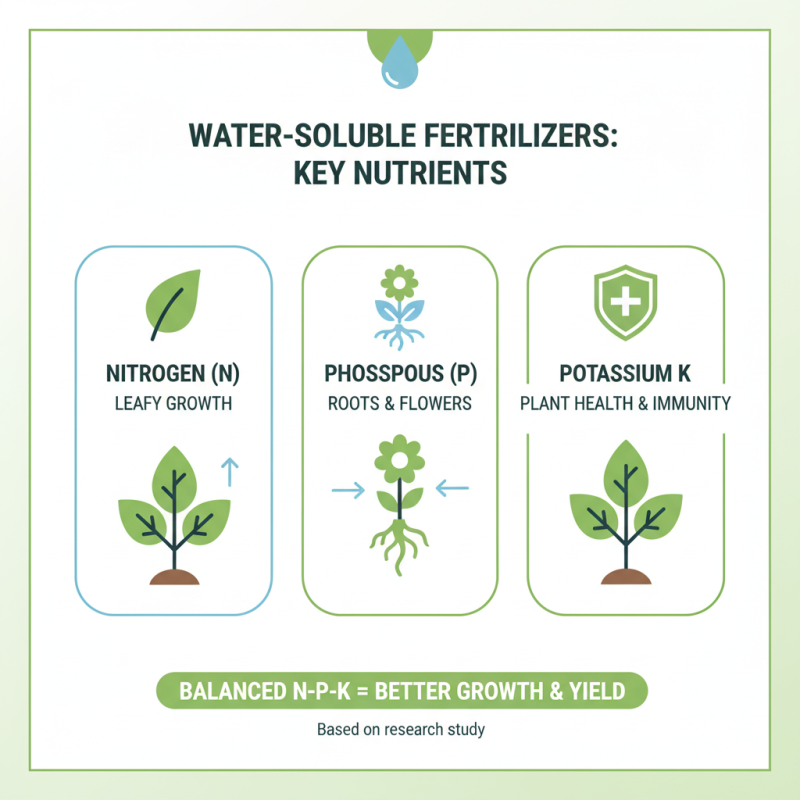
When selecting water soluble fertilizers, pay attention to key nutrients. Nitrogen is crucial for leafy growth. Phosphorus supports root and flower development. Potassium enhances overall plant health and strengthens immunity. A study shows that plants with balanced NPK ratios perform better in growth and yield.
Tip: Check the NPK ratio on the label. A balanced ratio, like 10-10-10, provides essential nutrients equally. However, some plants may need tailored ratios. Customizing your fertilizer choice can lead to impressive results in specific plant types.
Micronutrients such as magnesium, calcium, and iron are also important. These elements help prevent deficiencies. A report highlights that iron deficiency can lead to yellowing leaves. It’s vital to ensure your fertilizer includes these micronutrients.
Tip: Look for fertilizers with chelated micronutrients. This ensures better absorption by plants. An improper mix can lead to nutrient lockout, harming plant growth. Always consider what your specific plants need to thrive.
How to Determine the Right Fertilizer Ratio for Your Plants
Choosing the right fertilizer ratio for your plants can be tricky. Water-soluble fertilizers come in various NPK ratios, which refer to nitrogen, phosphorus, and potassium. A balanced ratio, like 10-10-10, provides all essential nutrients equally. However, specific plants may require different ratios. For example, leafy greens thrive on more nitrogen, while flowering plants may need more phosphorus.
Observe your plants closely. If they're growing slowly or showing discoloration, they might need adjustments. Adjusting ratios is not always easy. You may over-fertilize, causing more harm than good. Start with small applications. Gradually increase them based on your plants' responses. Keep a journal to track changes. This can help refine your approach over time. It's about finding a balance that suits your garden's unique needs.
Don't hesitate to experiment. Fertilizing isn't an exact science. The needs of your plants can evolve with the seasons. What works today may not work tomorrow. Stay flexible and attentive to your plants’ growth patterns. Be ready to adjust the ratios as necessary. Your plants will thank you for the effort.
Analysis of Water Soluble Fertilizer Ratios for Optimal Plant Growth
This chart illustrates the effectiveness ratings of different N-P-K ratios in water soluble fertilizers for various plants. Higher ratings suggest better performance in promoting growth according to plant needs.
Timing and Application Techniques for Using Water Soluble Fertilizers
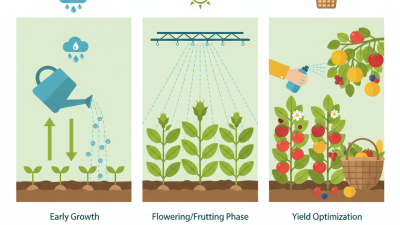
When using water soluble fertilizers, timing is crucial. Applying them at the right stages of plant growth can maximize their benefits. For instance, during the early growth phase, plants require higher nitrogen levels. This is when water soluble fertilizers can make a significant difference. Researchers have noted that applying these fertilizers early can increase yield by up to 20% in certain crops. However, over-fertilizing can lead to nutrient runoff. This can harm nearby waterways, creating a need for careful management.
Application techniques also play an important role. Spraying the solution directly onto the leaves can enhance absorption. This method allows plants to take in nutrients quickly. A study found that foliar feeding can increase nutrient uptake by 30% compared to root applications. Yet, applying fertilizers during the hottest part of the day can lead to evaporation losses. Selecting cooler times of the day for application is essential for effectiveness.
Be aware of the nutrient ratios. Water soluble fertilizers usually come with N-P-K ratios that indicate their nutrient composition. Understanding these can help prevent nutrient imbalances in your garden. For example, too much phosphorus can hinder the uptake of iron, leading to deficiencies. Testing your soil before use can provide insight into what your garden truly needs. These insights can direct your fertilizer choices wisely.
Factors to Consider: Soil Type, Plant Needs, and Growth Stage
Choosing the right water-soluble fertilizers is crucial for successful gardening. Different soil types significantly influence the nutrients available to your plants.
Sandy soils drain quickly, meaning plants might need more frequent feeding. In contrast, clay soils retain moisture and nutrients but can become compacted. Understanding your soil's texture and pH is vital for selecting the right fertilizer.
Plant needs also vary widely. Heavy feeders like tomatoes thrive on higher nitrogen levels during growth. Conversely, flowering plants often require more phosphorus once blooms appear. It’s essential to time your fertilization to match the plant's growth stage. For instance, using a balanced fertilizer in early growth can boost overall health. However, applying it too late might lead to excess nutrients, which can harm plants.
Reflecting on past experiences can guide you in making better choices. Testing the soil can reveal nutrient deficiencies, but many gardeners skip this step. Keep in mind, over-fertilization can result in poor growth or nutrient burn. Observing your plants regularly helps to adjust nutrient applications when needed. This practice encourages a more responsive and responsible gardening approach.