10 Essential Tips for Using Green Fertilizer Effectively?
Green fertilizers are transforming the way we approach sustainable agriculture. As John Green, an expert in organic farming, once stated, "Green fertilizer is a commitment to the earth." This statement highlights the importance of adopting eco-friendly practices. In recent years, green fertilizers have gained popularity due to their beneficial effects on soil health and plant growth.
Using green fertilizers effectively requires attention to detail. Choosing the right type can enhance crop yield significantly. For example, using compost can improve soil structure and water retention. However, many gardeners overlook proper application techniques. Applying too much can lead to nutrient runoff and environmental harm. It’s essential to strike a balance.
Consideration of timing is also crucial. Applying green fertilizer during the right season can boost its effectiveness. Unfortunately, some may rush this process, resulting in less-than-ideal outcomes. Understanding soil conditions and crop needs takes time, yet it pays off in healthier plants. Embracing green fertilizer practices means revisiting our approach to gardening, and that can be a learning process.
Understanding Green Fertilizers: Types and Benefits
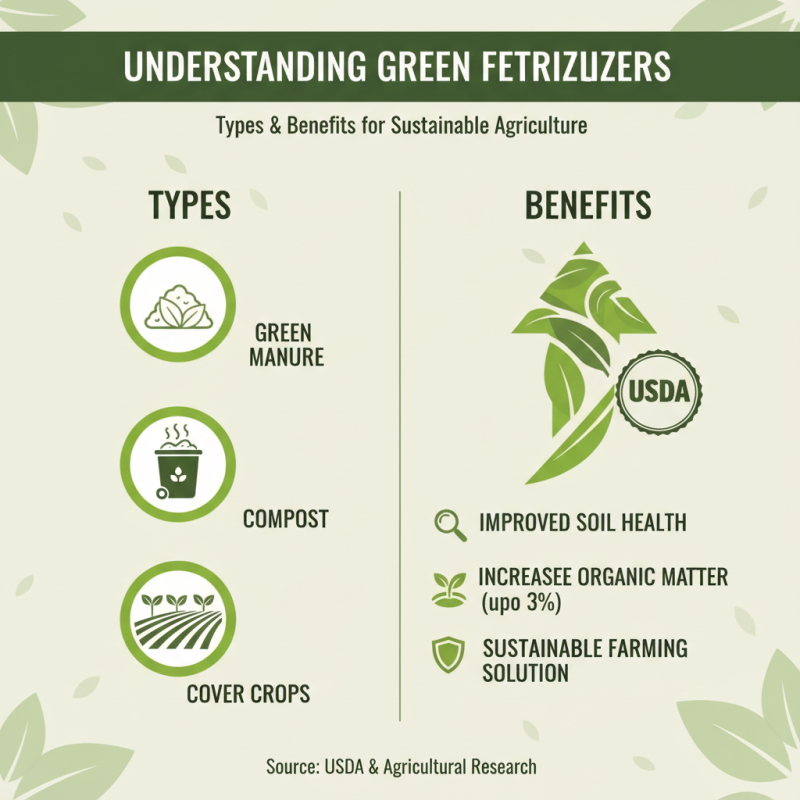
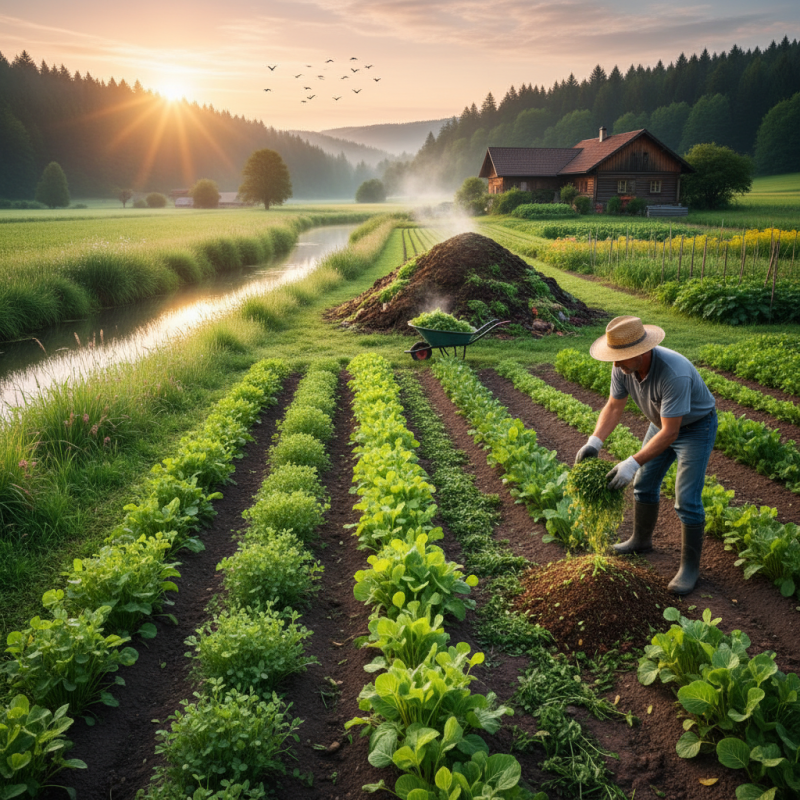
Green fertilizers are more than just a trend; they provide sustainable solutions for agriculture. They come in various forms, including green manure, compost, and cover crops. According to the USDA, using green fertilizers can improve soil health significantly, enhancing its organic matter by up to 3% over a few years.
One critical benefit of green fertilizers is their ability to fix nitrogen. Legume cover crops, such as clover or vetch, can naturally enrich soil. By planting these crops, farmers increase soil fertility without chemical fertilizers. However, the effectiveness of green fertilizers can vary based on soil type and climate. Understanding your specific conditions is vital.
Tip: Always test your soil before applying green fertilizers. This helps tailor the application to your needs.
Another point of reflection is the potential for nitrogen leaching. While green fertilizers can enhance soil health, excess nitrogen can contaminate water sources. Monitoring is essential.
Tip: Incorporate green fertilizers during specific growing seasons for maximum benefit. Always align your application with your crop's lifecycle.
Ultimately, knowledge of the types and benefits of green fertilizers is crucial for effective use. Embracing this natural approach can lead to better long-term agricultural practices.
Choosing the Right Green Fertilizer for Your Plants
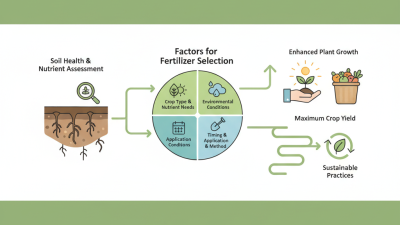
Choosing the right green fertilizer is crucial for optimal plant health.
Start by assessing your plants' specific nutrient needs. Different plants require different nutrients.
For example, leafy greens thrive on high nitrogen levels,
while flowering plants benefit from phosphorus. Understanding these needs
helps you make informed choices.
Consider the soil quality as well. Conduct a soil test if possible. This can reveal deficiencies and guide
you in selecting the appropriate green fertilizer. Some fertilizers may not react well with certain soil types.
It’s also essential to read the application instructions. Over-fertilizing can harm plants. Not all fertilizers
are created equal; some might seem great but can lead to poor results.
Remember to reflect on your fertilization practices. Are you seeing improvements? If your plants
aren't thriving, you might need to adjust your approach. Experimentation is often necessary. It’s okay if the
first choice isn’t the best. Learning from mistakes is part of the gardening journey. Each plant is unique,
and finding the right green fertilizer takes time and patience.
Best Practices for Applying Green Fertilizers Effectively
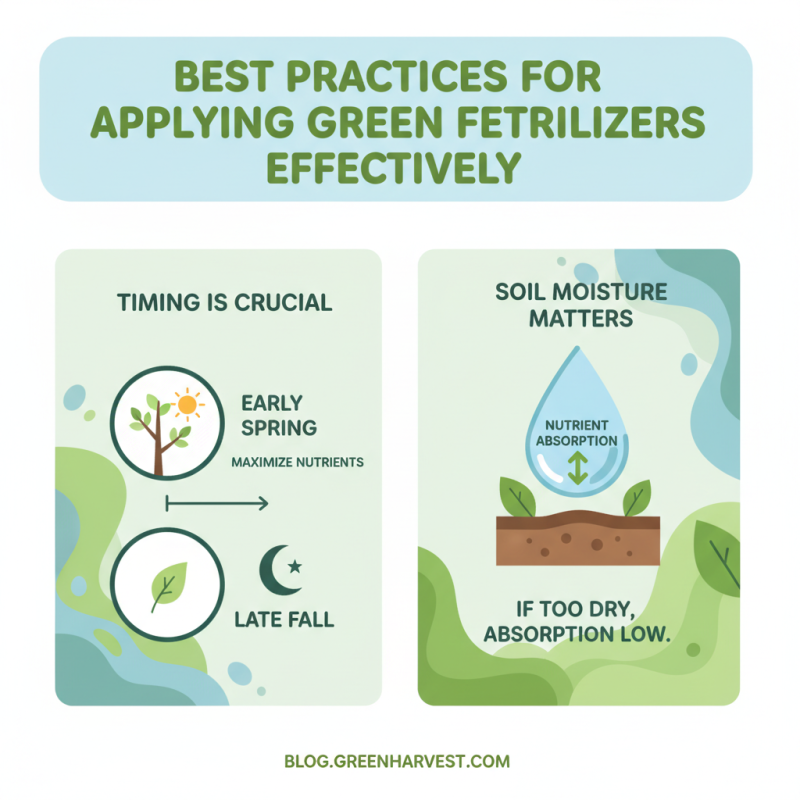
When applying green fertilizers, timing is crucial. Aim for early spring or late fall, depending on your climate. This helps in maximizing nutrient availability. Remember, the soil's moisture level matters too. If it’s too dry, the nutrients won’t absorb well.
Pay close attention to the application technique. Spread the fertilizer evenly across the soil. Uneven application can lead to nutrient burn in certain areas. This might seem minor, but it can impact plant health significantly. Consider incorporating the fertilizer into the top layer of soil. This ensures a better nutrient uptake.
Watching your plants is essential after application. Are they thriving? Or are there signs of distress? Adjusting your approach based on their response can lead to better results. Reflecting on your methods can improve future applications. It’s a constant learning process.
Timing and Frequency for Maximizing Green Fertilizer Impact
Timing is crucial when applying green fertilizer. Ideally, it should be used during the growing season. This is the time when plants demand nutrients the most. Applying it too early, before the plants are active, may cause nutrient loss. Likewise, applying it too late can lead to wasted resources, as plants will not absorb the nutrients effectively.
Frequency is another factor to consider. Many gardeners often over-fertilize, thinking more is better. However, green fertilizer should be applied moderately, typically every four to six weeks. This allows plants to utilize nutrients without overwhelming their systems. They may show signs of stress if overloaded.
Observing plant health is vital. If leaf edges turn brown or if there is stunted growth, it might indicate nutritional imbalance. Weather conditions can also affect the impact of green fertilizer. Rain can flush nutrients away, while dry conditions hinder absorption. Adjusting the application schedule based on weather patterns can enhance effectiveness.
Remember, each garden is unique, and learning from past experiences is essential. Reflecting on what worked or didn’t work can lead to better practices over time.
Monitoring Plant Response to Green Fertilizer Applications
Monitoring plant response to green fertilizer applications is crucial for effective gardening. Observing how plants react can provide valuable insights into their nutrient needs. Look for changes in leaf color or growth rate. Healthy plants often exhibit vibrant green leaves and vigorous growth. Yellowing leaves or stunted growth may indicate inadequate nutrient levels.
Documenting these changes helps refine your fertilization process. Keep a journal to track your observations. Note the dates of application and the specific reactions. Plants can also show signs of nutrient overload. Leaf burn or wilting can occur if too much fertilizer is used. Adjust your application rates if you notice these issues.
Sometimes, the response to green fertilizers isn’t immediate. Patience is necessary. It may take weeks to see results. Be attentive and flexible. Experimentation is part of the process. If your initial application doesn’t yield the desired result, don’t be discouraged. Learn from it and adjust your strategy for next time. Using green fertilizers effectively requires ongoing monitoring and adjustments based on your observations.
10 Essential Tips for Using Green Fertilizer Effectively
| Tip Number |
Tip Description |
Recommended Green Fertilizer Type |
Optimal Application Time |
Expected Plant Response |
| 1 |
Choose the right type |
Compost |
Spring |
Improved soil structure |
| 2 |
Apply at the right rate |
Liquid seaweed |
Early growth stages |
Enhanced root development |
| 3 |
Test soil nutrient levels |
Green manure |
Before planting |
Balanced nutrient availability |
| 4 |
Monitor weather conditions |
Organic pellet fertilizer |
Post rain |
Optimal nutrient absorption |
| 5 |
Incorporate into the soil |
Worm castings |
Fall |
Enhanced microbial activity |
| 6 |
Combine with mulch |
Fish emulsion |
During growing season |
Retained moisture |
| 7 |
Rotate crops |
Legume cover crops |
After each harvest |
Soil nitrogen replenishment |
| 8 |
Observe plant health |
Bone meal |
Before flowering |
Improved flowering and fruiting |
| 9 |
Spread evenly |
Kelp meal |
Throughout growing season |
Consistent growth |
| 10 |
Supplement with water |
Liquid organic fertilizers |
After application |
Enhanced nutrient absorption |