10 Essential Tips for Using Water Soluble Fertilizers Effectively?

Water soluble fertilizers are an essential tool for gardeners and farmers. These fertilizers dissolve easily in water, allowing for quick nutrient absorption by plants. Effective use of water soluble fertilizers can significantly enhance plant growth and yield. However, many users struggle with proper application techniques.

Understanding the right dosage is crucial. Over-fertilization can harm plants. It may lead to nutrient burn, which is visible as brown tips on leaves. Moreover, some people ignore the importance of water quality. Using hard or contaminated water can affect how fertilizers dissolve and how plants absorb nutrients. Each plant type has unique needs. A one-size-fits-all approach may not yield the best results.

Monitoring plant responses after applying fertilizers is vital. Signs of deficiency or excess nutrients require adjustment. Reflecting on past mistakes can lead to better practices. It’s important to consider timing, too. Applying fertilizers during the wrong growth phase can waste resources. Proper knowledge and cautious experimentation are key. Water soluble fertilizers offer great potential when used wisely.
10 Essential Tips for Using Water Soluble Fertilizers Effectively?

Choosing the Right Type of Water Soluble Fertilizer for Your Plants

Choosing the right type of water-soluble fertilizer is crucial for plant health. Different plants have unique nutrient needs. For instance, flowering plants often require fertilizers high in phosphorus. This element supports blooming. Conversely, leafy greens thrive on nitrogen-rich formulas. This nutrient promotes lush foliage and growth.

When selecting a fertilizer, consider the soil's current nutrient levels. Testing soil can guide your choice. You might find that some plants react poorly to high nitrogen. This could lead to excessive leaf growth and fewer flowers. It's a balance that requires careful observation. Do not overlook the instructions on the fertilizer package. Sometimes, errors in dilution can harm your plants.

Remember to adjust based on your plants' feedback. If leaves turn yellow, it may signal a nutrient deficiency. Over-fertilizing can also lead to toxicity. Pay attention to watering practices, as they influence nutrient absorption. Combining your observations with a suitable fertilizer can yield better growth. Keep experimenting with different types, but do so mindfully. Each plant has its own story, and your role is to listen.
Water Soluble Fertilizer Efficiency: 10 Essential Tips

Understanding the Nutrient Ratio in Water Soluble Fertilizers

Water soluble fertilizers are popular among gardeners for their quick absorption. Understanding the nutrient ratio is crucial for effective use. These fertilizers typically come with three main numbers on the packaging, representing nitrogen, phosphorus, and potassium (N-P-K). Each number indicates the percentage of these nutrients. A balanced ratio ensures plants receive essential elements for growth.

For a flowering plant, a fertilizer with a higher phosphorus ratio can be beneficial. However, using too much can lead to nutrient lockout. Gardeners should monitor their plants closely. It's easy to over-fertilize in the excitement of growth. This often leads to burnt roots or dull foliage. Regularly testing soil can help avoid these pitfalls.

Water quality also impacts the effectiveness of soluble fertilizers. Hard water may react with the nutrients, reducing their availability. Some gardeners overlook this detail. Adjusting pH levels can optimize nutrient uptake. Always remember to follow dilution instructions. Too concentrated mixes can harm fragile plants. Observing these details helps in achieving better results.

Proper Dilution Techniques for Maximum Effectiveness

Proper dilution techniques are crucial for maximizing the effectiveness of water-soluble fertilizers. According to the American Society for Horticultural Science, improper dilution can lead to nutrient imbalances. Over-concentrated solutions may burn plant roots, while under-diluted mixes fail to provide needed nutrients. The right balance is all about understanding your specific plants’ needs.

When preparing a solution, use accurate measurements. A study by the University of Florida suggests diluting fertilizers to a concentration of around 0.1% to 0.2% for most leafy plants. This concentration ensures optimal nutrient uptake without damaging roots. Stirring the solution thoroughly is essential to avoid clumps, which can lead to uneven distribution. It's often necessary to adjust the dilution based on plant growth stages, as younger plants require less concentration than mature ones.

Reflection on your mixing techniques can be valuable. If you notice stunted growth or leaf burn, reassess your dilution practices. Many gardeners underestimate the impact of pH levels on nutrient absorption. Ensuring that the water-soluble fertilizer mixes correctly with the water can make a significant difference. A pH of 6.0 to 6.5 is often ideal. Small adjustments can lead to notable improvements. Keep an eye on your plants, and be ready to tweak your methods for better outcomes.

Timing Your Fertilization Schedule for Optimal Plant Growth

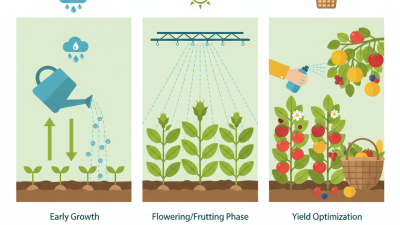
Timing your fertilization schedule is crucial for optimal plant growth. Research indicates that plants absorb nutrients most effectively during specific growth phases. For many plants, this means fertilizing during the active growth period in spring and early summer. Data shows that applying water-soluble fertilizers during these times can boost nutrient uptake by 25%.

Consider these tips for your fertilization schedule. First, test your soil before application. This step helps identify nutrient deficits. It’s surprising how many gardeners skip this. Another point to consider: monitor weather conditions. Rain can wash away nutrients if applied right before a storm. Aim for dry days to ensure absorption.

Many overlook the importance of timing when using water-soluble fertilizers. Applying too late can hinder growth. Conversely, early application may lead to nutrient burn. Plants can only use what they need at their stage of life. Understanding their growth cycle is essential. Remember, it’s about balance. Over-fertilization can be as harmful as under-fertilization. Don't rush. Observe and adjust your schedule as needed.

10 Essential Tips for Using Water Soluble Fertilizers Effectively

Tip Description Best Timing for Application Frequency
1. Dilution Rate Always follow the manufacturer's recommended dilution rates to avoid fertilizer burn. Before planting or early growth stage. Every 2-4 weeks.
2. Timing for Growth Stages Adjust fertilization based on the growth phase of the plants (e.g., vegetative vs flowering). Mid-growth stages. Once a month during active growth.
3. Soil Moisture Ensure soil is moist before applying water soluble fertilizers to enhance absorption. Morning or after watering. As needed based on moisture levels.
4. Temperature Considerations Avoid applying fertilizers during extreme heat to prevent plant stress. Cooler parts of the day. Avoid on very hot days.
5. Type of Crops Different crops have varying nutrient needs; customize your fertilizer choice. Specific to each crop’s growth cycle. Varies based on crop requirements.
6. pH Levels Check the soil pH to ensure optimal nutrient availability from fertilizers. At the beginning of planting season. Once or twice per season.
7. Weather Conditions Avoid applying before heavy rains to prevent leaching of nutrients. Before or after rain forecast. As weather permits.
8. Mixing with Other Nutrients Carefully mix with compatible nutrients to avoid chemical reactions. When nutrients are required. As determined by plant needs.
9. Application Method Use a proper application method to ensure even distribution and effectiveness. At each watering session. Varies based on method chosen.
10. Monitoring Plant Response Regularly check plants for signs of stress or nutrient deficiencies and adjust accordingly. Throughout the growing season. Weekly evaluations.

Monitoring Plant Response and Adjusting Fertilizer Use Accordingly

10 Essential Tips for Using Water Soluble Fertilizers Effectively?

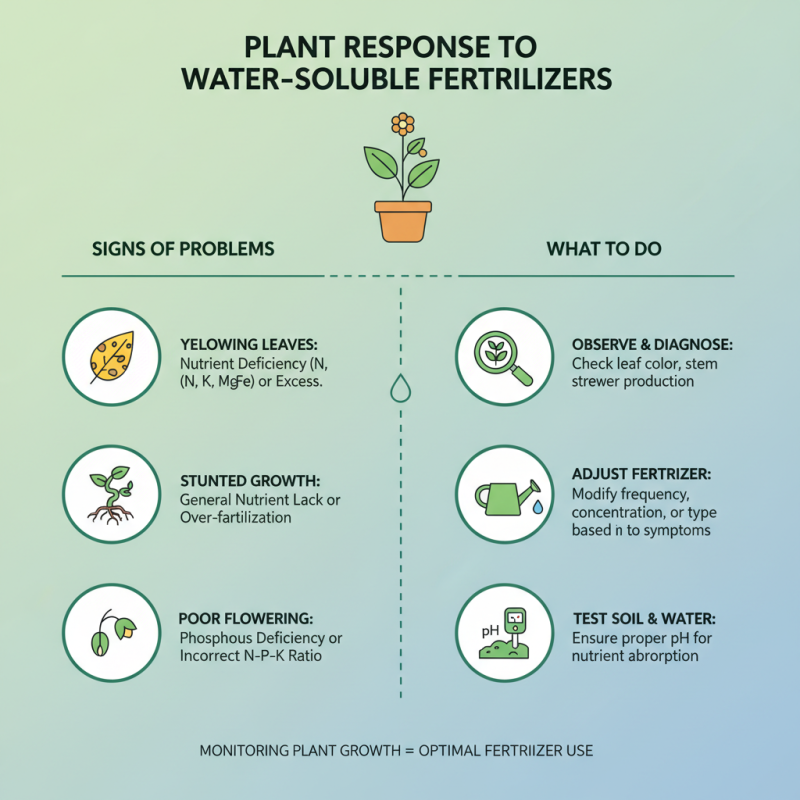
Monitoring plant response is key to effective use of water soluble fertilizers. Observing changes in plant growth can reveal much about their needs. Look for signs like yellowing leaves, stunted growth, or poor flowering. These can indicate nutrient deficiencies or excesses.

Tip: Regularly test your soil. This helps understand the nutrient content. Adjust your fertilizer use based on these results. For instance, if your soil test shows high nitrogen, reduce nitrogen-rich fertilizers. Less can be more in gardening.

Also, remember that different plants react differently. Some might thrive with strong nutrients, while others may struggle. Adjusting fertilizer concentrations based on plant type is crucial. Observe how they respond after you apply different amounts. Record these observations for future reference.

Tip: Dilute fertilizers if plant growth appears too aggressive. Watering with diluted solutions can prevent nutrient burn. This simple tweak can lead to healthier plants over time. Each plant has unique needs, so be patient and attentive.