Top 10 Factors Affecting Fertilizer Costs You Need to Know
In the ever-evolving landscape of agriculture, understanding the factors that influence fertilizer cost is crucial for farmers and industry stakeholders alike. According to Dr. Emily Thornton, a renowned agronomic economist, "The variability in fertilizer prices can significantly impact the entire agricultural supply chain, from production costs to market prices." As global demand for food continues to rise, so does the pressure on fertilizers, which are essential for enhancing crop yields and maintaining soil health.
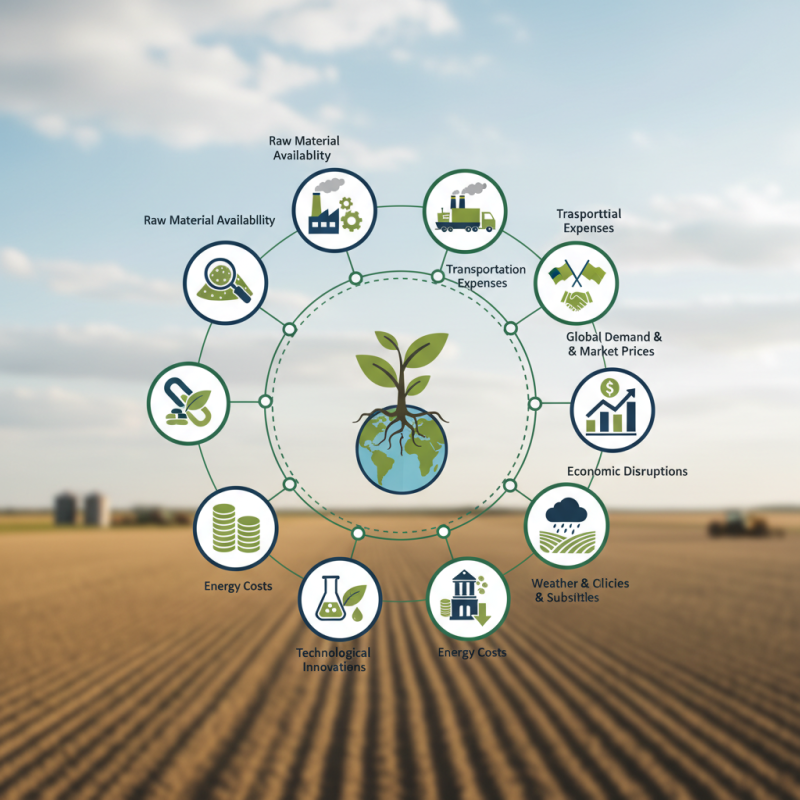
Several interrelated factors contribute to fluctuations in fertilizer costs, including raw material availability, production methods, transportation expenses, and geopolitical influences. The recent economic disruptions following global events have further complicated the fertilizer cost equation, making it essential for farmers to stay informed about these dynamics. By examining the top 10 factors affecting fertilizer prices, growers can better strategize their input procurement and ultimately safeguard their profitability.
This exploration not only highlights the importance of staying abreast of market trends but also underscores the need for innovative approaches to fertilizer use that can mitigate costs. Understanding these factors not only empowers farmers but also aligns with broader sustainability goals in modern agriculture. As we delve deeper into these critical aspects, it becomes evident that knowledge is indeed power in managing fertilizer costs effectively.
Factors Influencing the Base Price of Fertilizer Ingredients
The base price of fertilizer ingredients is influenced by a variety of factors that can significantly affect agricultural production costs. One of the primary elements is the availability of raw materials. Key ingredients such as nitrogen, phosphorus, and potassium are derived from natural resources, and any disruptions in supply chains can lead to increased prices. Environmental regulations and mining restrictions can also limit the extraction of these essential components, further contributing to volatility in pricing.
Another critical factor is global demand fluctuations. As agricultural practices shift and populations grow, the need for fertilizers intensifies, particularly in developing regions. This spike in demand often leads to price surges, especially during peak planting seasons. Additionally, geopolitical events and trade policies can impact the supply of fertilizers, influencing their cost on a worldwide scale. Market speculation and currency exchange rates further complicate the pricing dynamics, making it imperative for farmers and agricultural stakeholders to stay informed about these underlying trends.
Top 10 Factors Affecting Fertilizer Costs You Need to Know
| Factor |
Description |
Impact on Costs (%) |
| Natural Gas Prices |
Natural gas is a key input for nitrogen fertilizers. Rising gas prices increase production costs. |
30% |
| Global Demand |
Increased agricultural production drives demand for fertilizers, affecting prices. |
25% |
| Shipping Costs |
Freight and shipping costs impact the final price of fertilizers. |
15% |
| Weather Patterns |
Extreme weather affects crop yields and subsequently fertilizer demand. |
10% |
| Regulatory Changes |
New environmental regulations can increase operational costs for producers. |
5% |
| Technological Advances |
Innovation can lead to more efficient production processes, lowering prices. |
5% |
| Market Speculation |
Speculators trading commodities can cause price volatility in fertilizers. |
5% |
| Currency Fluctuations |
Changes in currency values can affect international trade prices of fertilizers. |
3% |
| Land Availability |
Scarcity of farmland increases competition for agricultural inputs like fertilizers. |
2% |
| Supply Chain Disruptions |
Interruptions in supply chains can delay production and increase costs. |
5% |
Impact of Supply Chain Disruptions on Fertilizer Availability
Supply chain disruptions have become a critical factor in the availability of fertilizers, significantly impacting agricultural productivity worldwide. Factors such as transportation delays, labor shortages, and geopolitical tensions can lead to interruptions in the supply chain. These disruptions cause fluctuations in the supply of raw materials and finished products, resulting in scarcity that drives up costs for farmers and distributors alike. As a consequence, the agricultural sector faces uncertainty, making it difficult for producers to plan their planting and harvesting schedules effectively.
Additionally, the COVID-19 pandemic has highlighted vulnerabilities within global supply chains. Many fertilizer production facilities experienced temporary shutdowns or reduced operational capacities, which hindered the flow of essential agricultural inputs. The pandemic also altered trade routes and increased shipping costs, further complicating the procurement of fertilizers. The interplay between supply chain logistics and fertilizer availability underscores the need for stronger and more resilient systems that can withstand such shocks in the future, ensuring that farmers have consistent access to the nutrients essential for crop growth.
Role of Government Policies in Shaping Fertilizer Costs
Government policies play a pivotal role in shaping fertilizer costs, influencing both supply and demand dynamics within the agricultural market. For instance, subsidies allocated by governments to domestic fertilizer producers can significantly lower production costs. According to a report by the Food and Agriculture Organization (FAO), countries that implement targeted fertilizer subsidies can observe an up to 20% reduction in costs for farmers, thus stimulating agricultural output and enhancing food security. This strategic intervention serves to stabilize prices for essential fertilizers, making them more accessible to farmers, particularly in developing regions.
Furthermore, regulatory frameworks surrounding environmental standards and safety can impact fertilizer production and pricing. Stricter regulations often necessitate additional investments in compliance, consequently raising the operational costs for manufacturers. A recent analysis from the International Fertilizer Association indicated that such regulations might lead to a 10-15% increase in fertilizer costs, as companies strive to meet new environmental guidelines while maintaining profitability. As governments balance environmental concerns with agricultural productivity, the interplay between policy and market forces becomes increasingly complex, shaping the overall landscape of fertilizer pricing.
Top 10 Factors Affecting Fertilizer Costs
This chart illustrates the top 10 factors that significantly impact fertilizer costs. Each factor is assessed on a scale from 0 to 100, with higher values indicating a greater influence on pricing. Understanding these factors can help stakeholders navigate the fertilizer market more effectively.
Market Demand Fluctuations and Their Effects on Pricing
Market demand fluctuations play a crucial role in determining fertilizer costs, as they directly influence supply chains and pricing strategies. When agricultural output increases, the demand for fertilizers typically rises, pushing prices higher due to limited supply capacity. Conversely, during periods of surplus production or lower crop prices, fertilizer demand may decline, leading to a potential decrease in costs. Understanding these dynamics can help farmers and agricultural businesses make informed purchasing decisions.
Tips: To navigate these fluctuations effectively, consider timing your fertilizer purchases to coincide with off-peak seasons when demand is typically lower. Additionally, forming relationships with multiple suppliers can provide leverage in negotiations and ensure better pricing options during market variations.
Another significant factor impacting pricing is global economic conditions, as they dictate overall agricultural investment. Events such as trade agreements, tariffs, and geopolitical tensions can alter demand and supply conditions significantly. For instance, a strong economy may boost demand for agricultural products, subsequently driving up fertilizer costs. Staying abreast of these economic trends will better position producers to mitigate costs and optimize their operational budgets.
Tips: Regularly monitor global market trends and engage with agricultural cooperatives to gain insights into expected price movements. Consider bulk purchasing to protect against fluctuations and secure more favorable pricing arrangements.
Global Economic Conditions and Fertilizer Cost Trends
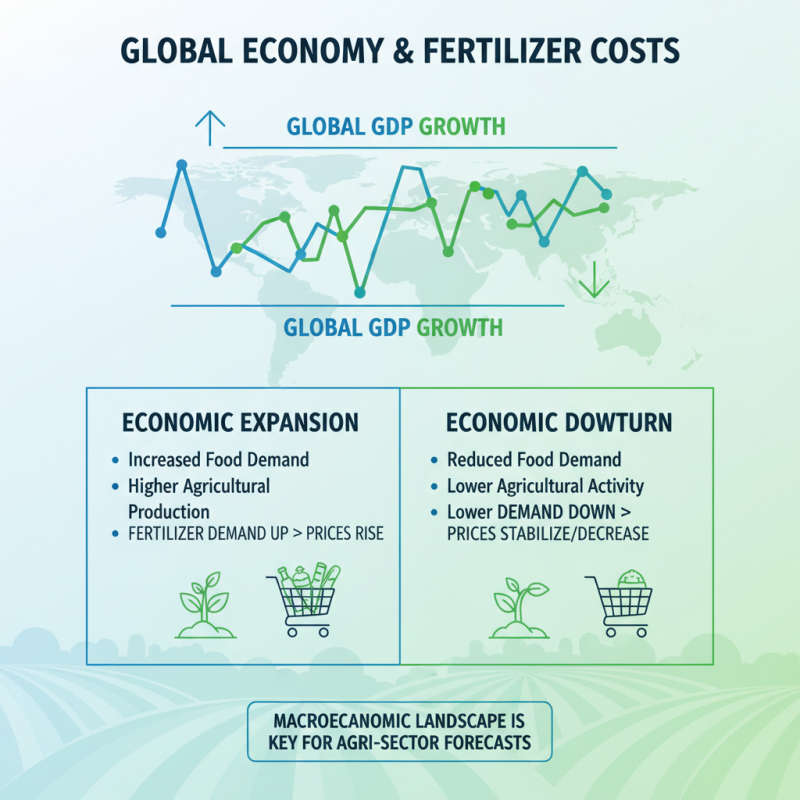
Global economic conditions play a crucial role in shaping fertilizer cost trends. As economies grow or face recession, the demand for agricultural products fluctuates, subsequently impacting fertilizer prices. In times of economic expansion, increased food production is often necessary to meet rising consumer demands, driving up the need for fertilizers. Conversely, during economic downturns, reduced agricultural activity can lead to lower fertilizer demand, which may stabilize or decrease prices. Thus, understanding the macroeconomic landscape is essential for stakeholders in the agricultural sector to anticipate cost changes.
Moreover, factors such as inflation, currency exchange rates, and trade policies significantly influence fertilizer costs. Inflation can lead to increased production and transportation costs, which are often passed down to farmers. Currency fluctuations can similarly affect import costs, especially for countries reliant on imported fertilizers. Additionally, changes in trade policies, such as tariffs and export bans, can disrupt supply chains, leading to price volatility. Keeping an eye on these global economic indicators is vital for farmers and agricultural businesses in managing their fertilizer expenses effectively.