Top Factors Influencing Fertilizer Price Trends in 2023
As the global agricultural landscape continues to evolve, understanding the dynamics of fertilizer price trends is more crucial than ever. In 2023, the complexities surrounding fertilizer prices are influenced by a multitude of factors ranging from geopolitical tensions to supply chain disruptions. Dr. Emily Carter, a renowned expert in agronomy and agricultural economics, emphasizes this point by stating, "Tracking the fluctuations in fertilizer price requires a multifaceted approach, as various economic and environmental factors intertwine to shape the market."
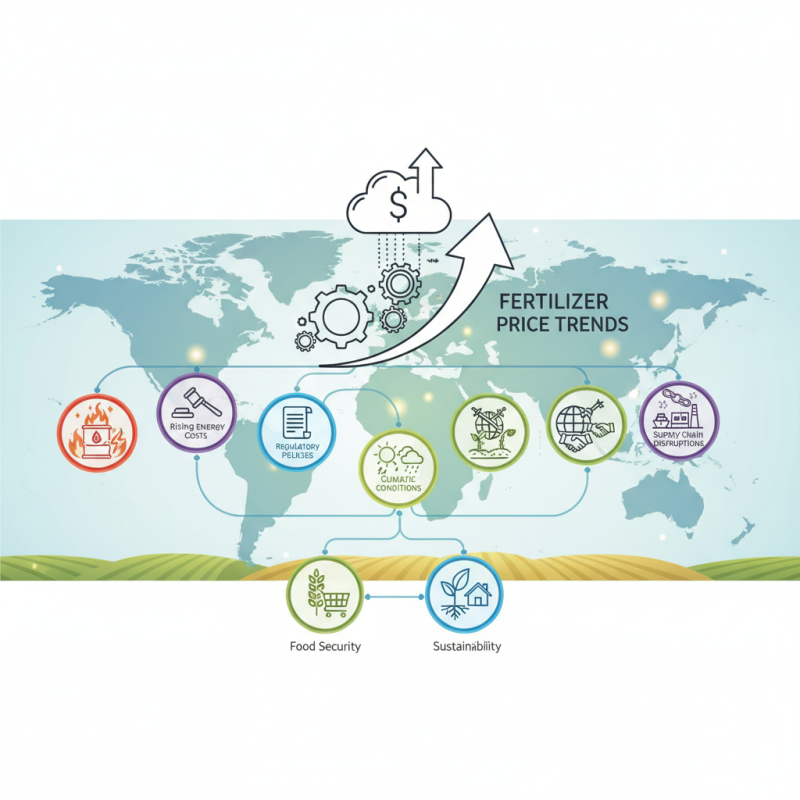
The year 2023 has already demonstrated significant volatility in fertilizer prices, prompting farmers and agricultural stakeholders to seek clarity amidst uncertainty. Rising energy costs, changes in regulatory policies, and climatic conditions are just a few of the variables playing a critical role. Additionally, Dr. Carter notes, "Understanding these trends is not just about economics; it's also about ensuring food security and sustainability for future generations."
As we delve into the top factors influencing fertilizer price trends this year, it becomes imperative to analyze how each element interacts with others, shaping the outlook for both producers and consumers alike. By exploring these influences, stakeholders can better prepare for the challenges and opportunities that lie ahead in the fertilizer market.
Key Economic Indicators Impacting Fertilizer Prices in 2023
The fertilizer market in 2023 is significantly shaped by various economic indicators that play a crucial role in determining price trends. Supply chain disruptions, driven by geopolitical tensions and logistical challenges, have caused fluctuations in availability. Additionally, the prices of raw materials like potash, nitrogen, and phosphorus have been impacted by energy costs and agricultural demand. This complex landscape makes it vital for stakeholders to stay informed about market dynamics and anticipate potential price changes.
Tips: To adapt to the evolving fertilizer market, farmers and distributors should consider diversifying their fertilizer sources. Regularly monitoring global crop yields and commodity reports can provide insights into demand forecasts, allowing for better budgeting and purchasing strategies. Establishing long-term contracts during stable periods can also hedge against price spikes that may arise from sudden economic shifts.
Moreover, inflationary pressures and currency exchange rates must be factored into the equation. Rising inflation can lead to increased production and transportation costs, further affecting fertilizer prices. Understanding these economic indicators helps stakeholders make informed decisions and plan their fertilization strategies accordingly.
Tips: Using data analytics to track price trends can help in making timely purchasing decisions. Engaging in collaborative planning with suppliers may also yield advantages, such as bulk purchasing discounts and improved timing for order placement based on price forecasts.
Top Factors Influencing Fertilizer Price Trends in 2023
| Factor | Description | Impact Level | Trend Type |
|---|---|---|---|
| Raw Material Prices | Prices of key inputs like natural gas and phosphate | High | Increasing |
| Demand from Agriculture | Growing global food demand affecting fertilizer consumption | Moderate | Stable |
| Supply Chain Disruptions | Logistical challenges affecting the availability of fertilizers | High | Fluctuating |
| Government Policies | Subsidies and regulations impacting production and prices | Moderate | Variable |
| Export/Import Restrictions | Trade policies affecting fertilizer trade flow | High | Increasing |
Supply Chain Disruptions and Their Effect on Fertilizer Availability
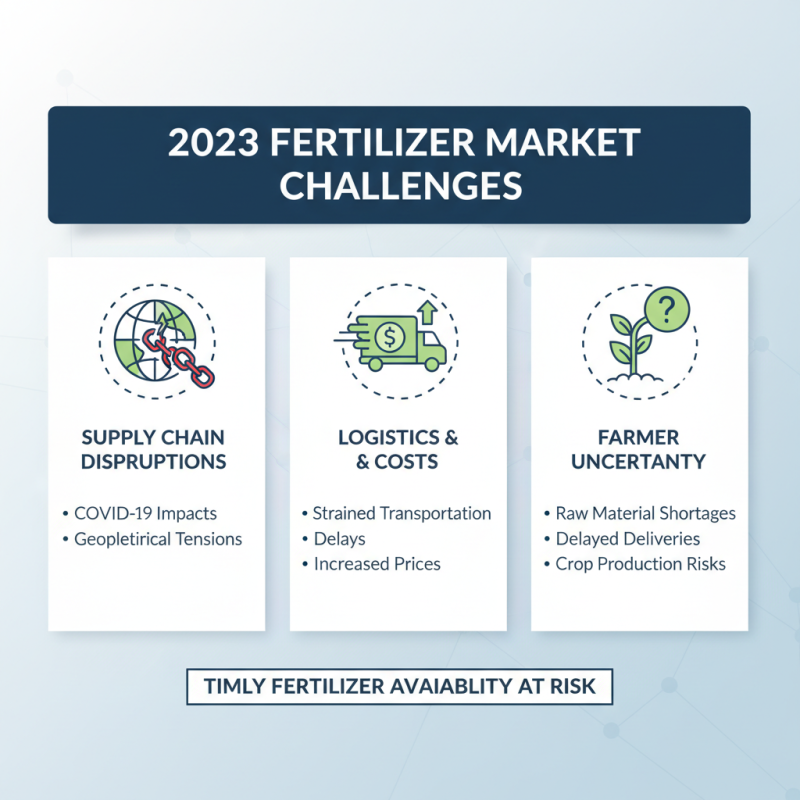
In 2023, the fertilizer market has faced unprecedented challenges primarily due to supply chain disruptions that have significantly affected fertilizer availability. The ongoing impacts of the COVID-19 pandemic, compounded by geopolitical tensions, have strained logistics and transportation networks, resulting in delays and increased costs. As manufacturers struggle to source raw materials and transport finished products, farmers are feeling the pinch, with many facing uncertainty regarding the timely delivery of necessary fertilizers for crop production.
Furthermore, natural disasters and extreme weather events have exacerbated these supply chain issues. Poor harvests in key agricultural regions can lead to a ripple effect, further tightening the availability of fertilizers. As countries implement trade restrictions to protect local supplies, global markets are left grappling with increasing prices and dwindling stocks. The intricate web of dependencies within the supply chain highlights the necessity for diversification and greater resilience to ensure a stable flow of fertilizers to meet farmers' needs, thus impacting overall food security.
Global Agricultural Demand and Its Role in Price Fluctuations
The global agricultural demand has become a pivotal factor in shaping fertilizer price trends in 2023. As populations continue to grow and dietary preferences shift towards more resource-intensive foods, the pressure on agricultural productivity intensifies. This heightened demand prompts farmers to seek out fertilizers to enhance crop yields, leading to increased competition for these vital resources. When demand outpaces supply, prices inevitably surge, creating a volatile market environment for agricultural inputs.
Furthermore, the interconnection between global trade policies and agricultural demand cannot be overlooked. Countries that rely heavily on imports for their agricultural products often face fluctuating costs based on global market conditions. Supply chain disruptions, exacerbated by geopolitical tensions and climate change, can further exacerbate these dynamics, impacting the availability and affordability of fertilizers. As agricultural demands diversify and increase in complexity, understanding these influences becomes crucial for stakeholders aiming to navigate the fertilizer market effectively in a challenging economic landscape.
Environmental Policies and Their Influence on Fertilizer Regulations
Environmental policies significantly shape the landscape of fertilizer regulations, impacting price trends in 2023.
Governments worldwide are increasingly implementing stringent environmental standards aimed at reducing the ecological footprint of agricultural practices. According to a 2022 report by the International Fertilizer Association, approximately 40% of surveyed countries indicated a rise in regulatory measures regarding fertilizer production and application, driven by sustainability initiatives.
These policies often require manufacturers to invest in cleaner technologies, leading to increased production costs which are then passed on to farmers, contributing to upward pressure on fertilizer prices.
Additionally, climate change resilience is becoming a priority for many nations, prompting a shift in fertilization practices.
A recent analysis by the Food and Agriculture Organization highlighted that over 30% of global fertilizers are now subjected to regulations that favor organic and slow-release products.
This transition is influenced by environmental policies that promote soil health and reduce nutrient runoff into water bodies. As a result, producers are adapting to these market shifts, and the demand for more sustainable fertilizer options is driving prices higher, reflecting the costs associated with compliance and innovation needed to meet these regulatory demands.
Energy Prices and Their Correlation with Fertilizer Production Costs
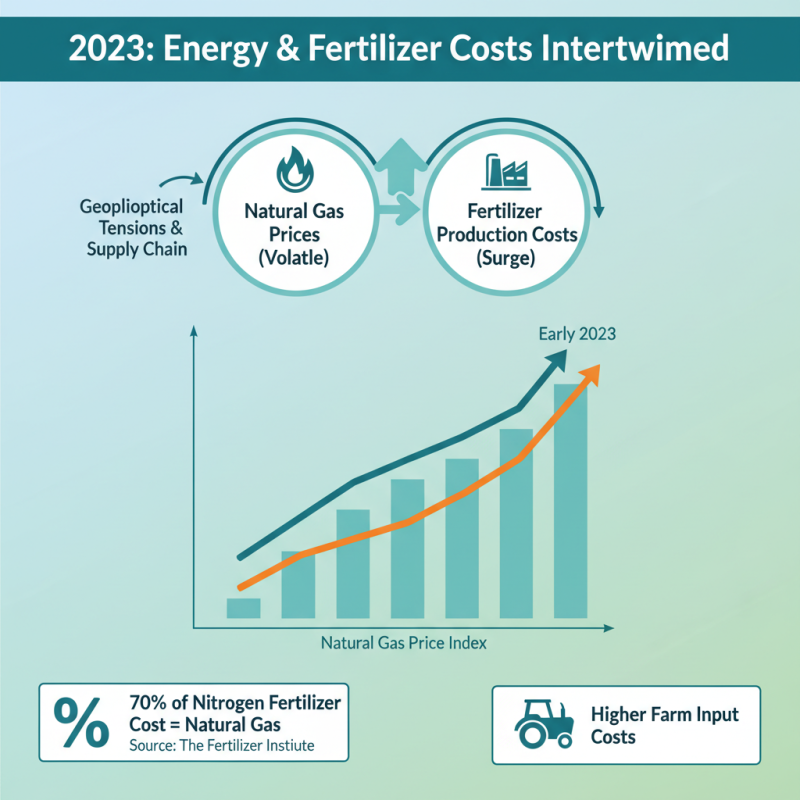
In 2023, the relationship between energy prices and fertilizer production costs has become more pronounced than ever. With energy costs, particularly natural gas, remaining volatile, manufacturers face significant challenges in maintaining profitability. According to the Fertilizer Institute, natural gas accounts for about 70% of the production costs for nitrogen fertilizers. As energy prices surged early in the year due to geopolitical tensions and supply chain disruptions, fertilizer prices followed suit, leading to an increase in farm input costs.
Farmers and agricultural producers must navigate these rising expenses while attempting to maximize yield. The International Fertilizer Association reported that global fertilizer prices increased by approximately 40% in 2023 compared to the previous year, primarily driven by these fluctuating energy costs. This drastic change not only impacts farming operations but also influences food prices globally, as the cost of essential food crops rises in tandem with higher fertilizer prices.
Tips: To mitigate the effects of rising fertilizer costs, farmers can consider optimizing their input usage through precision agriculture techniques. Additionally, exploring alternative sources of energy or more efficient fertilizers can also lead to reduced overall expenses. It's crucial for agricultural stakeholders to stay informed about market trends and adjust their strategies accordingly to ensure sustainability in their operations.
Related Posts
-
Top 5 Benefits of Buying Fertilizer Online for Your Garden
-

Top 5 Fertilizer Shops Near Me for All Your Gardening Needs
-

Top Strategies for Choosing a Fertilizer Distributor in 2025
-
What is a Fertilizer Distributor and How Can They Benefit Your Business
-
How to Optimize Southern Petrochemical Processes for Maximum Efficiency in 2025
-
How to Successfully Buy Wholesale Fertilizer for Your Agricultural Needs