Why Choose a Fertilizer Factory for Sustainable Agriculture Production?
In the realm of sustainable agriculture, the role of a fertilizer factory is paramount. Experts like Dr. Sarah Thompson, a prominent agronomist, emphasize this importance by stating, "Sustainable farming begins with quality nutrients." This highlights how fertilizer production directly impacts food systems.
A fertilizer factory serves as a cornerstone for providing essential nutrients to crops. These factories develop tailored fertilizers that enhance soil health. The right blend of nutrients can improve crop yield significantly. Farmers increasingly seek eco-friendly fertilizers that minimize their environmental footprint while maximizing productivity.
However, challenges exist in ensuring the sustainability of fertilizer production. Many factories still rely on non-renewable resources. This often leads to questions about their long-term viability. As we push for sustainable agriculture, the responsibility lies on fertilizer factories to innovate and adapt. Solutions must address ecological concerns while supporting farming communities worldwide.
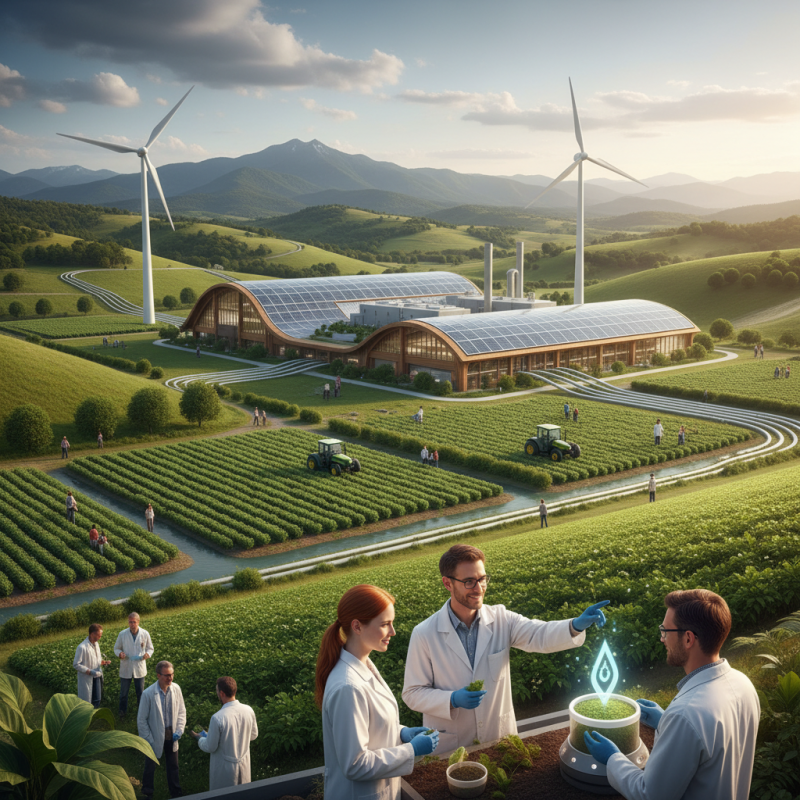
The Role of Fertilizer Factories in Sustainable Agriculture
Fertilizer factories play a crucial role in sustainable agriculture. They produce essential nutrients that improve soil health and increase crop yields. Quality fertilizers help farmers grow more food using less land. This is vital as the global population rises. However, it is important to recognize that not all fertilizers are created equal. Some may lead to environmental harm if used improperly.
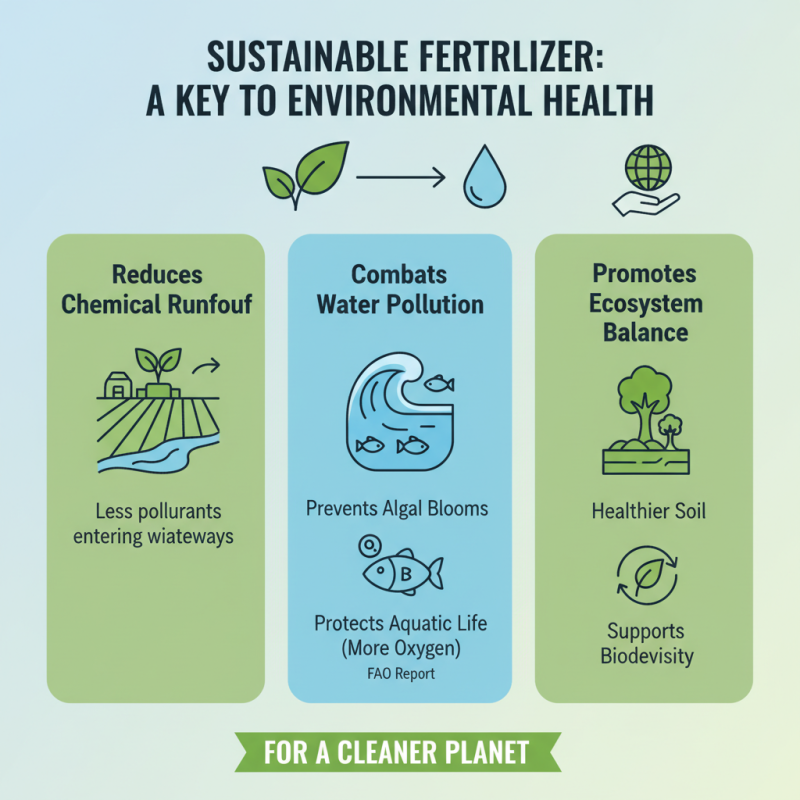
Sustainable practices emphasize responsible usage. Factories can contribute by developing eco-friendly products. Innovations like slow-release fertilizers can minimize runoff and reduce pollution. Farmers must also adapt their methods. They should monitor soil conditions and follow best practices for application. Also, education on sustainable techniques is key for success.
While fertilizer can enhance productivity, over-reliance may cause issues. Soil depletion and nutrient imbalances can occur. Factories must be mindful of these challenges. Collaboration with farmers can aid in creating tailored solutions. This would ensure that both agricultural productivity and environmental health are maintained.
Innovative Practices in Fertilizer Manufacturing for Eco-Friendly Farming
Innovative practices in fertilizer manufacturing are crucial for sustainable agriculture. Many factories focus on eco-friendly approaches to reduce environmental impact. Techniques like nutrient recovery from organic waste are gaining traction. This method utilizes materials that would otherwise be discarded. It not only minimizes waste but also provides valuable nutrients for crops.
Moreover, some manufacturers are experimenting with bioproducts. These products are derived from natural sources and enhance soil health. They promote a balanced ecosystem and lessen dependency on chemical fertilizers. The challenge lies in scaling these innovative methods. Sometimes, the results are not as expected, leading to questions about efficiency.
Despite the benefits, there is still room for improvement. Some practices may involve high production costs. This can deter widespread adoption among farmers. It's essential to find a balance between sustainability and practicality. Ongoing research and feedback from the agricultural community can guide these efforts. Embracing innovation while addressing these challenges will shape the future of fertilizer manufacturing in eco-friendly farming.
Economic Advantages of Sourcing Fertilizers from Local Factories
Sourcing fertilizers from local factories holds significant economic benefits. These factories often reduce transportation costs, as products are closer to end-users. Local sourcing can lower prices for farmers, making sustainable agriculture more accessible. By choosing nearby facilities, farmers tap into fresh production methods that are often more environmentally friendly.
Working with local factories also stimulates the community. It creates jobs, supporting the local economy. However, it requires a commitment from farmers to explore these alternatives. Some might hesitate due to perceived risks. Will the quality meet their needs? It’s essential for farmers to understand that experimenting with local fertilizers can lead to innovative practices.
Sustainability isn't just about environmentally friendly products; it’s also about economic viability. Local factories can provide customized solutions tailored to regional soil conditions. Farmers may need to invest time in researching these options. In the end, the potential benefits can outweigh the initial uncertainties. Embracing local options fosters a resilient agricultural community.
Case Studies: Success Stories of Sustainable Agriculture Using Factory Fertilizers
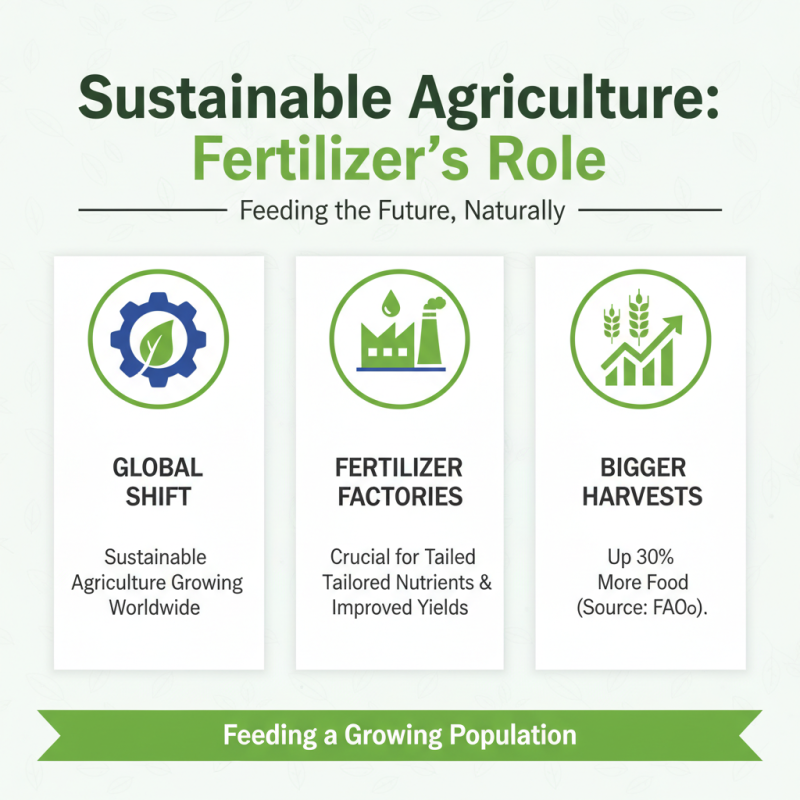
In recent years, sustainable agriculture has gained traction globally. Fertilizer factories play a crucial role in this movement. They provide tailored nutrients that help improve crop yields. According to a report by the Food and Agriculture Organization, using the right fertilizers can increase productivity by up to 30%. This is essential for feeding a growing population.
Case studies reveal significant success stories worldwide. In India, farmers using factory-produced fertilizers saw a 25% increase in rice yields. Yet, challenges remain. Some farmers worry about over-dependence on chemical inputs. This can lead to soil degradation if not managed properly. Balancing factory fertilizers with organic methods is vital.
In Brazil, a cooperative implemented a sustainable fertilizer program. They noted improvements in soil health and biodiversity. However, not all regions can afford this transition. Limited access to resources creates disparities. Ensuring equitable practices is necessary for long-term success. Sustainable agriculture demands ongoing reflection and adjustment.