Top Fertilizer Factory Innovations Driving Sustainable Agriculture Today?
The agriculture sector faces immense pressure. Farmers need to boost yield while protecting the environment. Innovations from the fertilizer factory play a critical role in this challenge. These factories are evolving to embrace sustainable practices. Advanced technologies help them produce eco-friendly fertilizers.
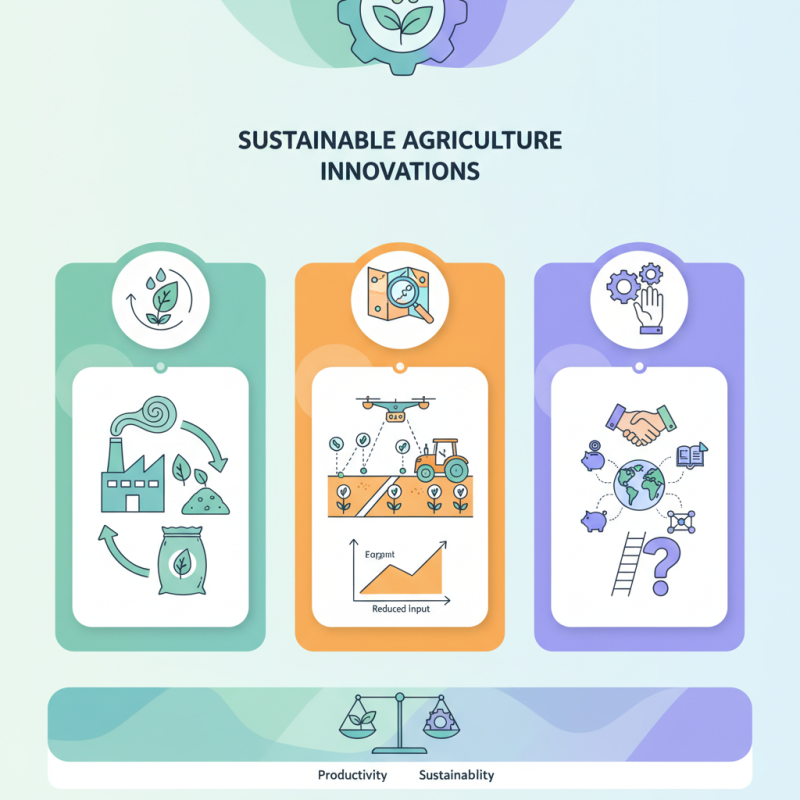
For instance, some factories now utilize waste materials. This approach reduces pollution and maximizes resources. There’s also a focus on precision farming techniques. They ensure fertilizers are applied efficiently. However, these innovations come with challenges. Not all farmers can access these new technologies. There is a learning curve, and cost can be a barrier.
The journey toward sustainable agriculture requires ongoing effort. Fertilizer factories must continuously improve their methods. Stakeholders need to collaborate to create accessible solutions. Reflections on current practices reveal room for growth and adaptation. As we explore these innovations, the balance between productivity and sustainability remains crucial.
Innovative Technologies in Fertilizer Production for Sustainability
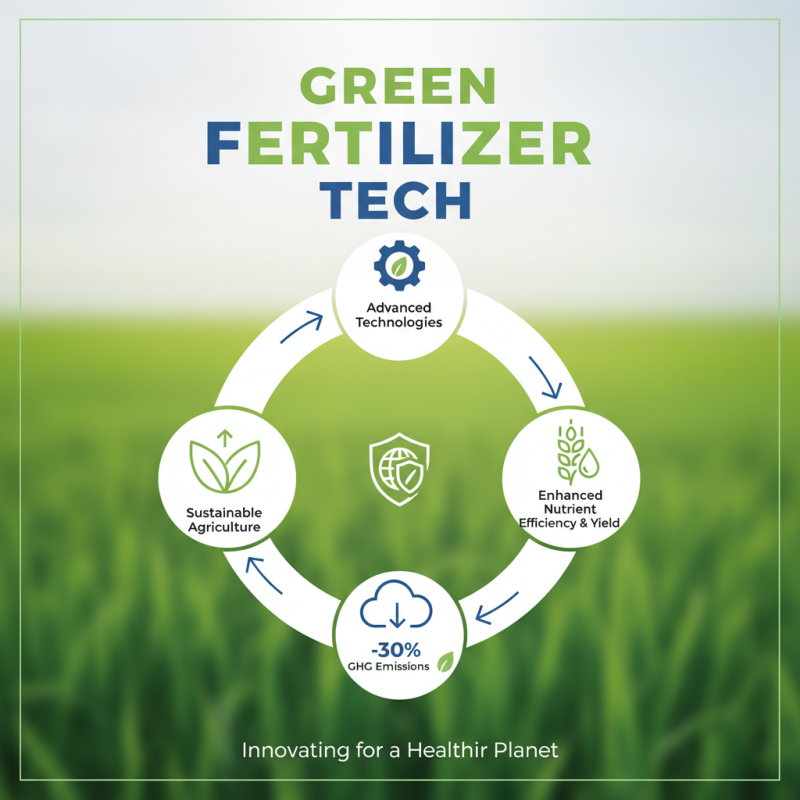
Innovative technologies in fertilizer production are crucial for sustainable agriculture. Recent reports indicate that advanced technologies can reduce greenhouse gas emissions by up to 30%. These innovations enhance nutrient efficiency, which is vital for crop yield without harming the environment.
Many factories are adopting precision agriculture techniques. Sensors and data analytics track soil health in real time. This allows farmers to apply fertilizers with greater accuracy, minimizing waste. A study revealed that smart fertilizer application can lead to an average increase of 15% in crop productivity. Yet, the uptake is slower than expected in some regions.
Moreover, the development of biobased fertilizers is gaining traction. These products derive nutrients from organic materials. They not only replenish the soil but also improve its microbial activity. However, challenges remain in scaling production to meet demand. Some farmers are skeptical about performance consistency. Balancing innovation with practical application requires ongoing research and commitment from all stakeholders.
Biodegradable Fertilizers: Reducing Environmental Impact
Biodegradable fertilizers are changing the game in sustainable agriculture. These innovative products break down naturally, reducing soil and water pollution. Traditional fertilizers often release harmful chemicals into ecosystems. According to a recent study, using biodegradable options can decrease that runoff by up to 50%. This shift not only helps the environment but also promotes healthier crops.
Choosing biodegradable fertilizers can also improve soil health. They provide essential nutrients while enhancing microbial activity. This means better plant growth and reduced need for additional chemicals. Data indicates that farms using these fertilizers saw a 20% increase in yield over standard chemical fertilizers. However, adoption rates remain low. Awareness and education are critical for farmers.
Tips: Always opt for local sources of biodegradable fertilizers. They often require fewer transportation emissions. Consider testing soil before application. This ensures you use the right amount of nutrients. Finally, monitor your field conditions regularly. Observing changes can lead to improved practices. Each step, no matter how small, contributes to a sustainable future.
Top Fertilizer Factory Innovations Driving Sustainable Agriculture Today
This chart illustrates the impact of different innovations in biodegradable fertilizers on the reduction of environmental impact in sustainable agriculture. The data showcases the percentage of farmers adopting these innovations over the past five years.
Precision Agriculture: Tailoring Fertilizer Use for Optimal Growth
Precision agriculture is transforming how we use fertilizers in farming. By leveraging advanced technologies, farmers can tailor fertilizer applications to specific crop needs. This leads to healthier plants and better yields. Soil testing and data analysis help farmers determine the exact nutrient requirements for their crops.
However, this approach is not without challenges. Many farmers still rely on traditional methods. They worry that new technologies may require expensive investments. There is also a risk of data overload. Farmers can struggle to interpret all the information accurately. Despite these hurdles, the potential for improved efficiency is evident.
Embracing precision agriculture means a shift in mindset. It's about understanding that one-size-fits-all solutions are no longer effective. Crop variation is natural, and fertilizers should reflect that diversity. As the industry evolves, ongoing education and support for farmers will be crucial. Collaboration among stakeholders will help bridge the gap between innovation and practical application in the field.
Recycling Nutrients: Circular Economy in Fertilizer Manufacturing
The concept of recycling nutrients is reshaping fertilizer manufacturing. It emphasizes the circular economy, where waste is transformed into valuable resources.
In this process, agricultural residues and organic waste can be converted into fertilizers, reducing reliance on synthetic chemicals. This shift helps minimize environmental impacts while promoting soil health.
Many factories now explore innovative technologies to extract nutrients from waste. These methods can reclaim phosphorus and nitrogen effectively. However, challenges remain. Not all waste sources are suitable for nutrient recovery. The quality of recycled fertilizers may vary, leading to concerns among farmers.
Some may hesitate to adopt these new products, fearing inconsistent results.
To foster widespread acceptance, clarity and education are essential. Farmers need guidance on using these recycled fertilizers effectively. Additionally, regulations must be adapted to support this change. With the right approach, recycling nutrients can play a vital role in sustainable agriculture, paving the way for a greener future.
Smart Sensors and IoT: Revolutionizing Fertilizer Applications
Smart sensors and the Internet of Things (IoT) are changing the way fertilizers are applied in agriculture. These technologies enable farmers to monitor and manage nutrients more effectively. A recent report indicates that precision agriculture increased crop yields by up to 15%. This rise comes from targeted fertilizer applications powered by real-time data.
Sensors embedded in soil provide crucial insights into moisture, pH, and nutrient levels.
Farmers can now adjust their fertilizer use based on specific plant needs. However, many still apply fertilizers uniformly across fields. This approach not only wastes resources but can also harm the environment. Over-fertilization leads to runoff, causing water pollution. Improving education on the benefits of smart technology is essential for change.
Tips: Consider investing in soil sensors. These tools can offer valuable feedback on nutrient levels. Furthermore, analyzing data from these sensors can lead to better decision-making. Lastly, engage with local agricultural experts. They can provide insights on best practices in your region.