Why Do Fertilizer Manufacturers Focus on Sustainable Practices?
In recent years, fertilizer manufacturers have increasingly turned their attention to sustainable practices. According to a report from the International Fertilizer Association, 70% of manufacturers now prioritize environmental sustainability. This shift is not just a trend; it reflects a growing awareness of agricultural impacts on climate change. Industry expert Dr. Linda Sorenson noted, "Sustainability is no longer optional; it's a necessity for the future of agriculture."
Many fertilizer manufacturers strive to reduce their carbon footprints. They are investing in innovative technologies to optimize nutrient use efficiency. This change leads to less waste and better crop yields. Moreover, recent data shows that sustainable fertilizers can enhance soil health while supporting biodiversity. However, challenges remain. Some manufacturers still rely on traditional methods. Transitioning can be costly and complicated.
The path towards sustainable practices is not straightforward. It requires collaboration across sectors and a commitment to long-term change. As the industry evolves, the question remains: how can fertilizer manufacturers balance traditional practices with the urgent need for sustainability? Addressing this issue is key to the future of agriculture.

The Growing Importance of Sustainability in the Fertilizer Industry
Sustainability is becoming crucial in the fertilizer industry. As global awareness of environmental issues rises, manufacturers are under pressure. They must adapt their methods. Conventional practices often degrade soil health and pollute water sources. This raises concerns for future food security.
New trends focus on natural materials and eco-friendly techniques. Many producers are experimenting with bio-based fertilizers. These alternatives can restore soil fertility. They also reduce carbon footprints. However, the transition is not simple. Some farmers remain skeptical. There is uncertainty about effectiveness and costs.
Additionally, regulations are tightening. Compliance can be a challenge for many companies. There can be hidden costs that impact profit margins. While the movement towards sustainability is promising, it requires collective effort. Education is essential for both manufacturers and consumers alike. Encouraging informed choices can lead to better practices in the industry.
Why Do Fertilizer Manufacturers Focus on Sustainable Practices? - The Growing Importance of Sustainability in the Fertilizer Industry
| Sustainability Practice | Percentage of Manufacturers Implementing | Key Benefits |
|---|---|---|
| Organic Fertilizers | 45% | Improved soil health, reduced chemical runoff |
| Renewable Energy Use | 30% | Lower carbon footprint, reduced energy costs |
| Water Conservation Techniques | 60% | Enhanced resource efficiency, compliance with regulations |
| Recycling and Waste Management | 50% | Reduced landfill waste, improved public image |
| Precision Agriculture Technology | 70% | Optimal resource use, increased yields |
Environmental Impacts of Traditional Fertilizer Production Methods
Traditional fertilizer production methods have significant environmental impacts. The use of fossil fuels in manufacturing contributes to greenhouse gas emissions. According to a study by the International Fertilizer Association, about 2% of global CO2 emissions come from ammonia production, a key ingredient in many fertilizers. This isn't a small number when considering the urgency of climate change.
Water pollution is another major issue. Excessive use of chemical fertilizers leads to runoff, which contaminates rivers and lakes. The U.S. Environmental Protection Agency reports that nutrient pollution affects more than 10,000 water bodies across the country. This results in harmful algal blooms and dead zones, which jeopardize aquatic life and human health.
These traditional methods also rely heavily on mining operations. The extraction of phosphate and potash can destroy ecosystems. This raises questions about sustainability. Are we prioritizing short-term agricultural productivity over long-term environmental health? There's an urgent need to reflect on these practices while seeking sustainable alternatives. Sustainable solutions must address both crop yields and environmental responsibility.
Economic Benefits of Sustainable Practices for Fertilizer Manufacturers
Sustainable practices in fertilizer manufacturing can lead to notable economic advantages. Many companies are shifting towards eco-friendly methods. This transition often reduces production costs. Efficient resource use saves money over time. By minimizing waste, manufacturers can optimize their operations and enhance profitability.
Investing in sustainable technology may seem costly at first. However, the long-term cost savings can outweigh initial expenses. For example, renewable energy sources can lower utility bills. Moreover, consumers are increasingly willing to pay for environmentally friendly products. This trend can open new markets and increase revenue.
Some manufacturers still hesitate to adopt these practices. They fear losing short-term profits. Yet, overlooking sustainability might lead to future losses. Environmental regulations are tightening globally. Companies that fail to adapt may face difficulties down the road. Reflecting on these trends, a sustainable approach is not just a moral choice; it's a smart business strategy.
Regulatory Pressures and Consumer Demand for Eco-Friendly Products
The shift towards sustainable practices in fertilizer manufacturing is increasingly a response to regulatory pressures and consumer demands. Regulations now require companies to limit harmful emissions and manage waste more effectively. According to a recent industry report, nearly 75% of manufacturers see compliance as a top priority. They understand that non-compliance could lead to hefty fines and damage reputation.
At the same time, consumers are becoming more eco-conscious. Data shows that 65% of buyers prefer eco-friendly products. This trend is forcing manufacturers to rethink their sourcing and production methods. Sustainable fertilizers, for instance, are gaining popularity due to their reduced environmental impact. However, transitioning to these products can be challenging. Not all raw materials are sustainable, and some practices are still being refined.
**Tip:** Consider using locally-sourced materials whenever possible. This can minimize transport emissions and enhance sustainability.
Manufacturers often struggle to balance regulatory compliance with consumer satisfaction. Some companies may cut corners, leading to questions about product integrity. Transparency is crucial. Consumers want to know what is in their fertilizers. A clearer supply chain can help in this regard.
**Tip:** Engage with customers openly. Share information about your processes and materials. Building trust can increase customer loyalty.
Innovative Technologies Driving Sustainable Fertilizer Solutions
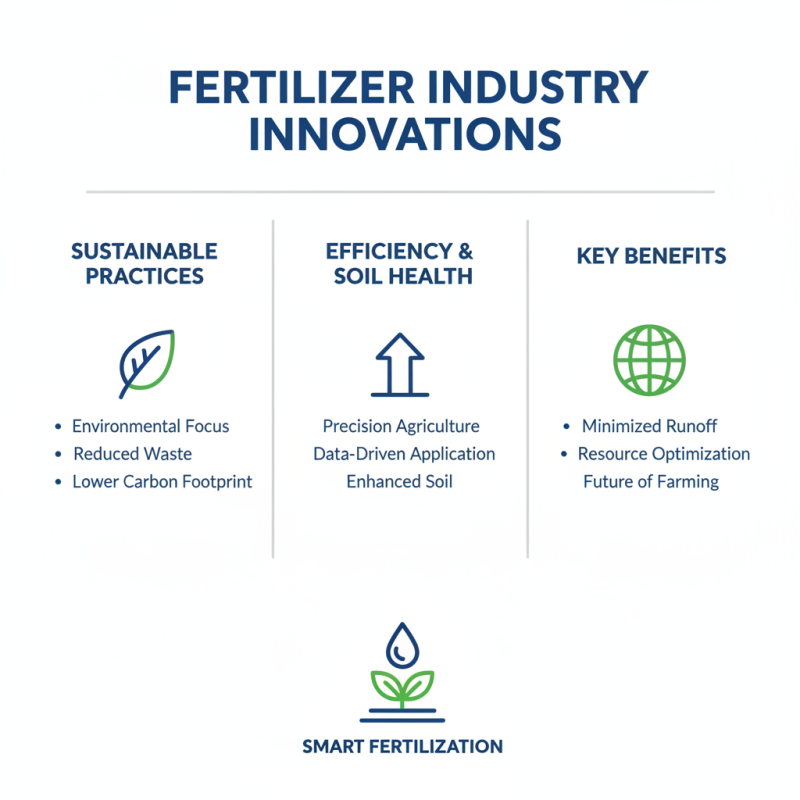
Innovative technologies are reshaping the fertilizer industry. Manufacturers now explore sustainable practices to meet environmental challenges. A focus on efficiency can lead to reduced waste and lower carbon footprints. For example, precision agriculture uses data to apply fertilizers only where needed. This method minimizes runoff and enhances soil health.
Tips: Consider adopting technology in your farming practices. Use apps that detect nutrient levels in soil. This will help reduce excess fertilizer use.
There are also advancements in bio-based fertilizers. These products derive nutrients from natural sources, leaving a smaller ecological impact. Research is crucial for developing new solutions. However, these technologies may not yet be widely available or economically feasible for all farmers.
Tips: Educate yourself about bio-based options. Attend local workshops or webinars. Engage with local agricultural experts to learn more about sustainable choices. Every little step towards greener practices makes a difference.
Related Posts
-
How to Choose the Right Fertilizer Company for Your Gardening Needs
-

How to Choose the Best Fertilizer Distributor for Your Gardening Needs
-
Top Benefits of Using Ag Fertilizer for Optimal Crop Growth?
-

How to Find Reliable Wholesale Fertilizer Suppliers for Your Business?
-

Top 5 Fertilizer Shops Near Me for All Your Gardening Needs
-
Find the Best Fertilizer Shop Near Me for All Your Gardening Needs