Is Mineral Oil And Silicone Safe For Global Buyers?
The discourse around "Mineral Oil And Silicone" has gained traction in recent years. As global consumers become more health-conscious, concerns about product safety are rising. According to a report by the Personal Care Products Council, over 80% of consumers express unease about ingredients in personal care products. Such statistics urge manufacturers to reevaluate their formulations.
Mineral oil, derived from petroleum, is a common ingredient in various cosmetics. While it provides moisture, some studies suggest potential skin irritation. This duality raises questions about safety and effectiveness. In contrast, silicone is praised for its smooth application and durability. However, its long-term impacts remain under scrutiny. The Cosmetics Ingredient Review panel states that certain silicones may pose environmental concerns.
Navigating the fine line between efficacy and safety is essential. Buyers must weigh personal experience against scientific findings. Industry reports emphasize the need for transparency in ingredient sourcing. As the dialogue around "Mineral Oil And Silicone" continues, ongoing research and consumer feedback will shape future regulations and innovations.
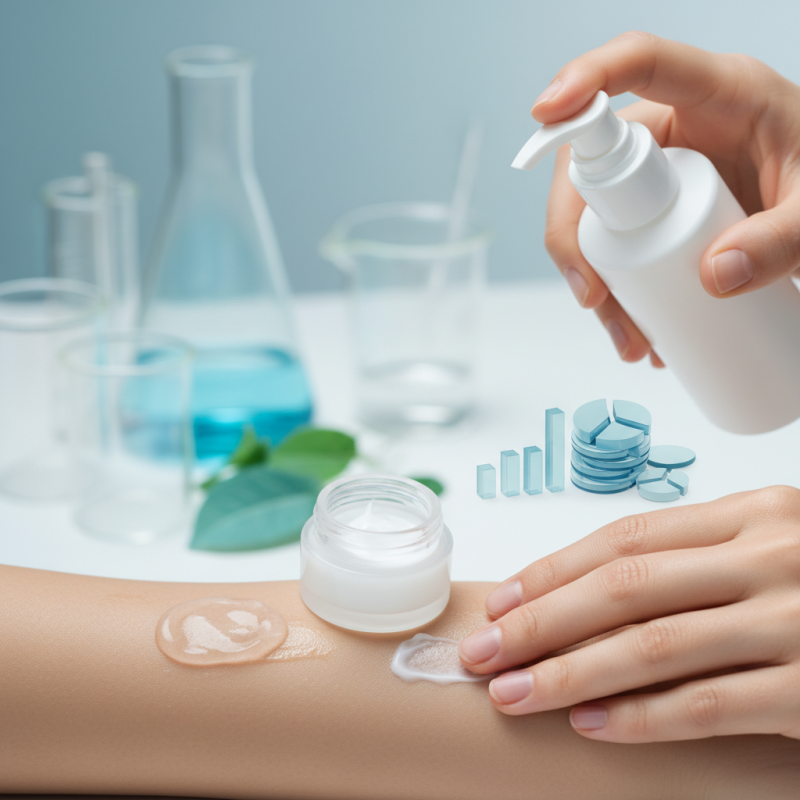
Safety Overview of Mineral Oil and Silicone for Consumers
Mineral oil and silicone are widely used in various consumer products, from cosmetics to personal care items. The safety of these ingredients is often debated. The Cosmetic Ingredient Review (CIR) published a report indicating that cosmetic-grade mineral oil and silicones are generally considered safe for use in cosmetics when formulated appropriately.
However, concerns exist around their long-term use. While mineral oil acts as a moisturizer, it may sometimes clog pores, leading to breakouts in sensitive skin types. The Environmental Working Group (EWG) ranks mineral oil as a low hazard but notes that heavy use could potentially interfere with skin's natural functions. This suggests a need for consumers to be cautious and informed.
Silicones, on the other hand, are praised for their smooth application and moisture retention. Yet, they might build up on the skin over time, causing irritation for some users. A 2021 study found traces of silicones in urban water systems, raising questions about environmental impact. Consumers should consider these factors and choose products that balance benefits with potential drawbacks.
Regulatory Standards Governing Mineral Oil and Silicone Usage
Mineral oil and silicone are widely used in various industries. Regulatory standards oversee their safe application. Different regions have unique guidelines that ensure consumer safety while considering environmental impacts.
In the European Union, for example, strict limits are set for mineral oil’s purity. The REACH regulation aims to protect human health and the environment. Additionally, the FDA monitors silicone usage in food and cosmetics. These regulations ensure safety but can create confusion for consumers.
Tips: Always check for labels indicating compliance with safety standards. When using products containing these substances, consider your skin type and any allergies. Though these materials are generally regarded as safe, occasional skin reactions may still occur. Be aware of how your skin responds.
Potential Health Effects of Mineral Oil and Silicone Exposure
The safety of mineral oil and silicone has become a crucial topic in product formulation. Research indicates that mineral oil, often used in cosmetics and personal care products, may pose health risks. A report from the European Commission suggests that certain types of mineral oil can contain toxic impurities. These impurities can potentially accumulate in the body over time.
Silicone, while generally regarded as safe, raises questions about long-term exposure. Studies show that some silicones can bioaccumulate, leading to concerns about their impact on human health. In a comprehensive environmental health review, it was noted that prolonged exposure could lead to irritations or allergic reactions in sensitive individuals.
Understanding the full extent of mineral oil and silicone's effects requires more research. While many users report minimal side effects, individual reactions vary greatly. The lack of comprehensive regulation adds to the uncertainty. Consumers must exercise caution and stay informed about the products they use.
Health Effects of Mineral Oil and Silicone Exposure
This bar chart illustrates the potential health effects associated with exposure to mineral oil and silicone based on scientific studies. The data reflects the percentage of reported cases relating to various health concerns.
Environmental Impact of Mineral Oil and Silicone Products
The environmental impact of mineral oil and silicone products is a growing concern. These substances, often used in cosmetics and personal care items, can contribute to pollution. Mineral oil is derived from petroleum, and its production can result in harmful emissions. Silicone is synthetic, and while it is durable, it does not easily decompose in nature. This raises questions about their long-term effects on ecosystems.
Tips: Always check the ingredient list on products. Look for eco-friendly alternatives that are biodegradable.
Another issue concerns disposal. Mineral oils and silicones can linger in landfills, posing risks to soil and water. They may interact with microorganisms, affecting the balance of local ecosystems. As consumers, our choices matter. Reducing reliance on these materials can help mitigate their environmental footprint.
Tips: Choose products with recyclable packaging. Support brands focusing on sustainable practices.
Many consumers are unaware of these implications. It is essential to educate ourselves about what we use. Understanding the full impact of our choices can drive change. Awareness is the first step towards a more sustainable future.
Is Mineral Oil And Silicone Safe For Global Buyers? - Environmental Impact of Mineral Oil and Silicone Products
| Product Type | Environmental Impact | Safety Concerns | Biodegradability | Regulatory Status |
| Mineral Oil | Low, but can accumulate in ecosystems | Generally considered safe, skin irritation possible | Non-biodegradable | Approved in many countries with limits on purity |
| Silicone | Low impact but persistent in the environment | Generally safe, concerns about microplastics | Non-biodegradable, but may be recyclable | Regulated, with increasing scrutiny on environmental impact |
Alternatives to Mineral Oil and Silicone in Consumer Goods
Mineral oil and silicone are popular in many consumer products. However, concerns about safety and environmental effects are rising. For those looking for alternatives, there are several options available.
Natural oils, like jojoba and coconut oil, offer great hydration. They are biodegradable and less likely to irritate the skin. These oils often provide similar benefits as mineral oil without the downsides. Plant-based emulsifiers can also replace silicones in personal care products. They can create a soft texture while being safer for users and the environment.
Tips for choosing safer alternatives:
- Check ingredient labels for natural options.
- Look for products with minimal synthetic ingredients.
- Research brands that prioritize sustainability.
Be mindful that not all natural products can perform the same way as their synthetic counterparts. Some may not provide the desired texture or shelf life. Testing various alternatives can help find what works best for you. Balancing safety and effectiveness is crucial. Exploring these options allows consumers to make informed decisions.