Top Fertilizer Companies Leading the Industry Today?
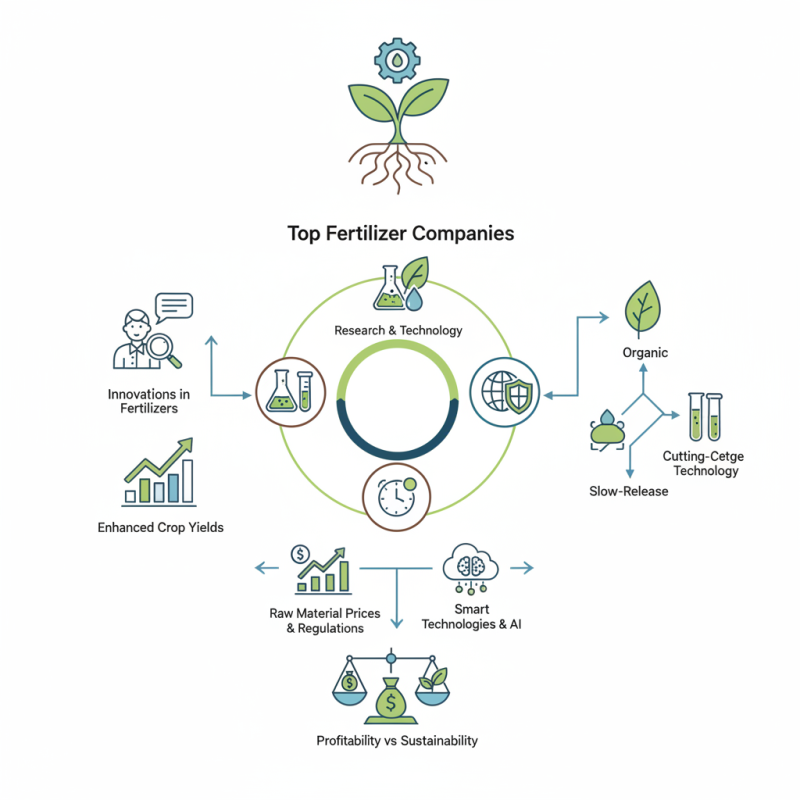
In the ever-evolving landscape of the agriculture sector, fertilizer companies play a pivotal role. According to Dr. John Smith, a leading expert in agronomy, "Innovations in fertilizers are key to enhancing crop yields and sustainability." This highlights the essential contribution that these companies make to global food security.
Today, top fertilizer companies leverage cutting-edge technology and research to create products that meet modern agricultural demands. They are focused not only on effectiveness but also on environmental stewardship. For instance, many firms are now exploring organic and slow-release fertilizers that minimize ecological impact. Yet, challenges remain. The industry must grapple with fluctuating raw material prices and regulatory pressures.
As we look towards the future, the integration of smart technologies, such as AI, offers promising avenues for efficiency. Companies can adopt data-driven solutions to optimize production. However, the sector also needs to reflect on its practices. Balancing profitability with sustainability is crucial. Therefore, the fertilizer company industry must continuously innovate and adapt to maintain its role in feeding the planet's growing population.
Overview of the Fertilizer Industry Landscape Today
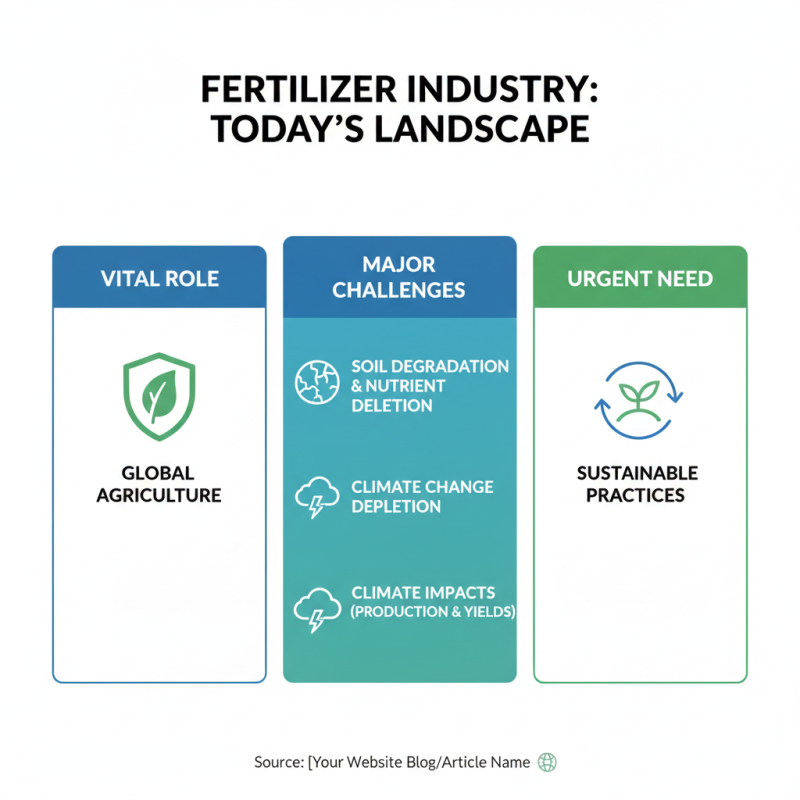
The fertilizer industry is vital to global agriculture. Today, it faces several challenges. Soil degradation and nutrient depletion threaten crop yields. Moreover, climate change impacts production processes. These factors create urgency for sustainable practices.
Fertilizer companies are exploring innovative solutions. Organic fertilizers are gaining traction as farmers seek environmentally friendly options. However, the transition is complex. Many farmers hesitate to shift from traditional methods. Education and resources are needed to guide this change.
The competition among companies intensifies. They strive to develop enhanced fertilizers with better efficiency. Yet, this quest raises questions. Are we prioritizing short-term gains over long-term sustainability? Balancing profitability and ecological health is crucial. The path forward requires collaboration and shared responsibility among all stakeholders.
Key Players in the Global Fertilizer Market
The global fertilizer market is witnessing significant growth. According to recent industry reports, the demand for fertilizers is expected to reach over
200 million metric tons by 2025. The increasing need for food production drives this growth. Rising populations and changing diets push farmers to use more fertilizers.
Key players in the sector face challenges. Fluctuations in raw material prices can impact profit margins. Moreover, environmental regulations are becoming stricter. Companies must innovate to remain compliant.
Sustainable practices, such as organic fertilizers, are gaining traction. This shift reflects a growing consumer preference for
greener options.
Regional differences also illustrate the complexities of the market. North America and Europe prioritize efficiency and
sustainability. In contrast, Asia-Pacific markets focus on high yields. Each region's unique needs shape the strategies of key industry players.
Adapting to these challenges is crucial for longevity in an evolving marketplace.
Innovative Practices and Technologies in Fertilizer Production
The fertilizer industry is evolving with innovative practices. Companies are increasingly focusing on sustainable production methods. Reports show that nearly 30% of global fertilizer output now incorporates advanced technologies. Automation and data analytics drive efficiency and reduce waste in manufacturing.
Precision farming is a significant trend. It helps optimize nutrient delivery to crops. According to recent studies, precision techniques can boost crop yields by up to 15%. This innovation also minimizes the environmental impact of fertilizer use. However, not all practices are equally effective. Some applications still lead to soil degradation over time.
Moreover, renewable resources are gaining traction. Many companies explore bio-based fertilizers as alternatives. While they offer benefits, their market adoption remains slow. Challenges exist in terms of scalability and cost. The industry must continually reassess its balance between innovation and sustainable practices.
Market Trends and Economic Factors Influencing Fertilizer Companies
The fertilizer industry is currently shaped by various market trends and economic factors. Demand for fertilizers is increasing globally. A recent report noted that global fertilizer consumption reached approximately 190 million metric tons in 2022. This rise is largely driven by the need to boost agricultural productivity. As the population grows, so does the demand for food. Farmers are under pressure to enhance crop yields.
However, the industry is not without challenges. Supply chain disruptions have led to increased costs. Prices for key raw materials have surged, affecting profitability. According to industry analysts, nitrogen prices have increased by over 50% in the past year alone. This shift prompts companies to rethink their sourcing strategies. They must adapt to fluctuations in raw material availability. Environmental regulations also play a key role in shaping operations. Stricter regulations on emissions are prompting firms to develop more sustainable practices.
Technology is changing the landscape of the fertilizer sector. Precision agriculture is becoming a significant trend. Farmers utilize data analytics to optimize fertilizer usage. This approach reduces waste and lowers costs. However, not all companies are keeping pace. Some struggle with integrating new technologies. As the industry evolves, companies must reflect on their strategies. Adapting to these changes is vital for long-term success.
Sustainability Initiatives Among Top Fertilizer Companies
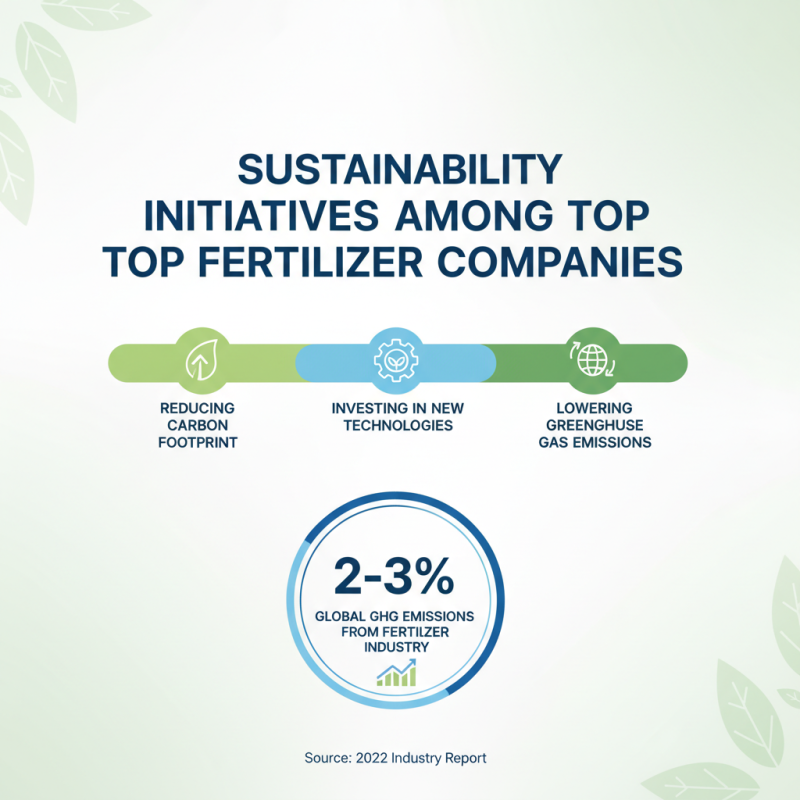
Sustainability is a critical focus for leading fertilizer companies today. In recent years, the industry has witnessed a strong push towards reducing carbon footprints. Many companies are investing in new technologies to lower greenhouse gas emissions. A 2022 report indicated that the global fertilizer industry accounts for approximately 2-3% of total greenhouse gas emissions. This statistic highlights the urgency for more sustainable practices.
Some companies are exploring alternative sources of nutrients. For instance, transitioning to organic fertilizers can significantly cut emissions. Studies show that organic fertilizers can reduce carbon outputs by as much as 30% compared to traditional methods. However, challenges remain. The adoption rate of these sustainable practices is still low in some regions, primarily due to cost and availability.
Additionally, efficient water usage is another aspect of sustainability being addressed. Approximately 70% of global freshwater is used for agriculture. Fertilizer companies are increasingly focusing on precision agriculture. This method optimizes water and nutrient application. It aims to improve crop yield while minimizing resource waste. Yet, the implementation of these technologies can be uneven, often influenced by local regulations and farmer education. Each step towards sustainability in fertilizer production is vital but often meets obstacles needing reflection and improvement.