What is Professional Fertilizer and How Can It Boost Your Garden's Growth?
In the vibrant world of gardening, the term "professional fertilizer" has emerged as a cornerstone for those seeking to enhance their plant growth and overall garden health. Renowned horticulturist Dr. Emily Thompson states, “The right professional fertilizer not only provides essential nutrients but also supports the unique needs of different plants, leading to remarkable growth and vitality.” Her insights highlight the importance of tailoring fertilization strategies to maximize the potential of every garden.
Professional fertilizers are specially formulated products designed to supply plants with the necessary nutrients they may be lacking in the soil. They can significantly boost the growth of flowers, vegetables, and fruits by ensuring that plants receive a balanced diet of macronutrients and micronutrients. By understanding the unique characteristics and requirements of their plants, gardeners can effectively utilize professional fertilizers to achieve lush greenery and bountiful harvests.
As we explore the various types of professional fertilizers available, the impact they have on soil health, and the techniques for their application, we'll uncover how these powerful tools can transform your gardening experience, turning every planting endeavor into a flourishing success.

Definition and Types of Professional Fertilizers
When it comes to enhancing your garden’s growth, understanding the different types of professional fertilizers is essential. Professional fertilizers are scientifically engineered to provide essential nutrients that plants need to thrive. They are typically categorized into three main types: organic, synthetic, and slow-release fertilizers. Organic fertilizers, derived from natural sources, improve soil health while providing nutrients gradually. Synthetic fertilizers, on the other hand, are chemically formulated to deliver immediate nutrient boosts, often leading to faster plant growth. Slow-release fertilizers offer a balanced approach, releasing nutrients steadily over time to support long-term growth.
Using the right type of professional fertilizer can significantly impact your garden’s health. For instance, organic fertilizers can enhance soil structure and encourage beneficial microorganisms, while synthetic options are ideal for addressing specific nutrient deficiencies quickly. Always consider your garden’s specific needs—conducting a soil test can help identify which nutrients are lacking.
**Tips:** When applying fertilizers, follow the recommended rates to avoid over-fertilization, which can harm plants and the environment. Additionally, consider alternating between organic and synthetic fertilizers throughout the growing season to maintain a balanced nutrient profile in your soil. Lastly, remember to water your plants after fertilizing; this will help the nutrients penetrate the soil and reach plant roots effectively.
Key Nutrients in Professional Fertilizers and Their Benefits
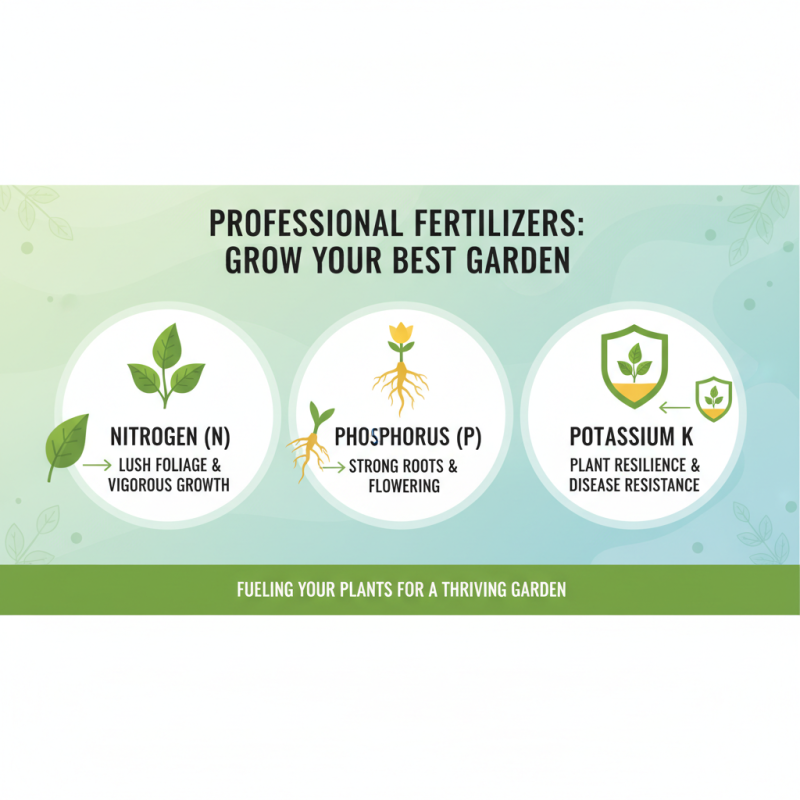
Professional fertilizers are carefully formulated to provide essential nutrients that enhance plant growth, ensuring your garden thrives. Key nutrients such as nitrogen, phosphorus, and potassium play a vital role in plant health. Nitrogen promotes lush foliage and vigorous growth, phosphorus is crucial for strong root development and flowering, while potassium aids in overall plant resilience and disease resistance. By understanding these nutrients, gardeners can select fertilizers that best meet their plants’ specific needs.
Tips for using professional fertilizers include testing your soil to determine nutrient deficiencies, which can help you choose the right fertilizer blend. Also, apply fertilizers at the right time, typically during the active growing season, to maximize effectiveness. Over-fertilizing can harm plants, so follow recommended application rates and consider using slow-release formulations to provide nutrients gradually over time.
By effectively utilizing professional fertilizers, gardeners can significantly boost their plants' growth, leading to a healthier and more vibrant garden. Remember to monitor your plants after fertilization to observe their response and adjust your fertilization strategy accordingly for optimal results.
How to Choose the Right Professional Fertilizer for Your Plants
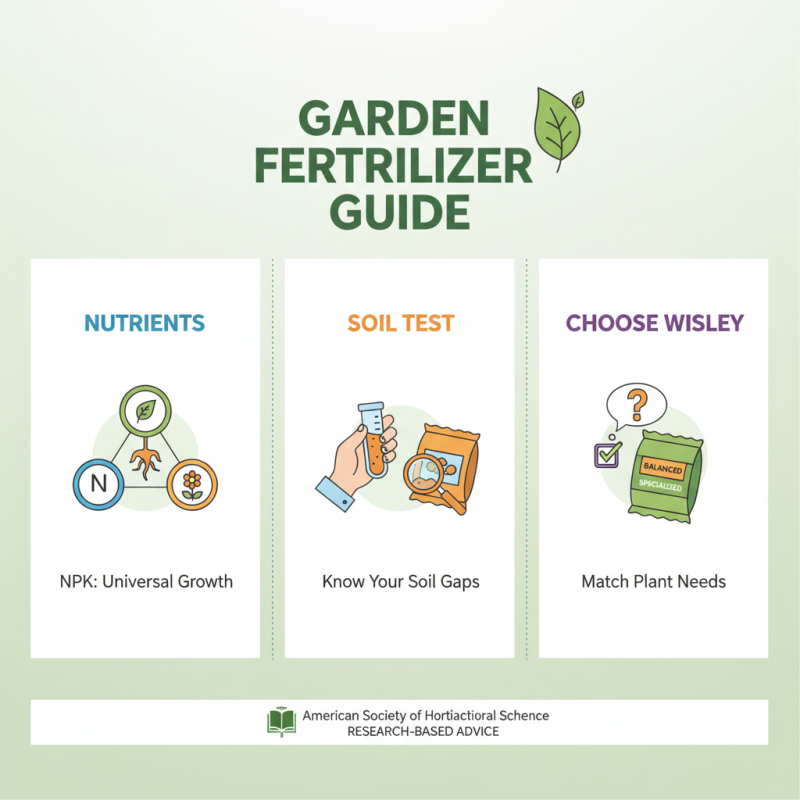
Choosing the right professional fertilizer is crucial for enhancing your garden's growth. To make an informed decision, it's essential to understand the nutrient requirements of your specific plants. According to a report by the American Society of Horticultural Science, balanced fertilizers containing nitrogen, phosphorus, and potassium (NPK) are universally beneficial, while some plants may require specialized nutrients like calcium or magnesium. Conducting a soil test can provide insights into existing nutrient levels, enabling you to select a fertilizer that fills the gaps.
When selecting a fertilizer, consider its formulation and application type. Granular fertilizers offer a slow-release option that can nourish plants over time, while liquid fertilizers provide immediate availability of nutrients. A study published in the Journal of Plant Nutrition revealed that plants treated with slow-release fertilizers exhibited healthier root systems and improved resistance to diseases.
Tips: Always follow the recommended application rates to avoid over-fertilization, which can lead to nutrient burn and water pollution. Additionally, observe your plants' growth and health regularly; this can help you adjust your fertilization strategy as needed based on their responses to the nutrients provided.
Application Techniques for Maximizing Fertilizer Efficacy
Effective application techniques are crucial for maximizing the efficacy of professional fertilizers in your garden. According to research from the American Society of Agronomy, proper timing and method of fertilizer application can increase nutrient uptake by plants by up to 30%. One recommendation is to apply fertilizer during periods of active growth, typically in spring and early summer when plants are most receptive to nutrients. This aligns with findings from the Soil Science Society of America, which emphasizes that aligning nutrient availability with plant growth cycles enhances overall effectiveness and reduces wastage.
Additionally, employing techniques such as split applications—where fertilizer is applied in smaller doses at intervals—can significantly improve nutrient absorption. A study by the International Fertilizer Association found that this method can lead to a 15% increase in crop yields, as it reduces the risk of nutrient runoff and leaching. Furthermore, incorporating methods like foliar feeding can deliver nutrients directly to plant leaves, providing immediate benefits and minimizing soil-related losses. Utilizing these application techniques not only optimizes the use of fertilizers but also promotes sustainable gardening practices, ultimately fostering a healthier garden ecosystem.
Impact of Different Types of Fertilizers on Plant Growth
Monitoring Garden Growth After Fertilizer Application
Monitoring garden growth after fertilizer application is crucial for understanding the effectiveness of the nutrients you've provided. After applying professional fertilizers, it's important to observe how your plants react over the following weeks. Keep an eye on their growth rate, color, and overall health. Healthy plants will typically show more vibrant foliage and sturdier stems. Additionally, you may notice an increase in flowering or fruiting, which indicates the fertilizer is working as intended.
Tips for monitoring growth include maintaining a consistent watering schedule and ensuring your plants receive adequate sunlight. Regularly check the soil moisture, as both overwatering and underwatering can affect plant health and skew your observations of fertilizer effects. Another useful tip is to take periodic photographs of your plants to help visually track changes in growth over time. This can provide valuable insights into how different plants respond to the fertilizer, allowing you to adjust your gardening strategies accordingly.
Don't forget to take notes on specific plants and their reactions to the fertilizer. Keeping a journal will help you learn what works best in your garden, enabling you to fine-tune your approach for future growth seasons. By carefully monitoring your garden after applying fertilizer, you'll be setting yourself up for a flourishing and thriving outdoor space.