How to Successfully Buy Wholesale Fertilizer for Your Agricultural Needs
In the ever-evolving agricultural industry, sourcing the right inputs, particularly wholesale fertilizer, is critical for achieving optimal crop yields. As farmers and agricultural businesses strive to enhance productivity and sustainability, understanding how to effectively navigate the wholesale market can be a game-changer. Renowned agricultural expert Dr. Emily Carter, who specializes in sustainable farming practices, emphasizes this sentiment, stating, "Purchasing wholesale fertilizer not only reduces costs but also provides farmers with the flexibility to choose quality products tailored to their specific needs."
The dynamics of the wholesale fertilizer market can be complex, with prices fluctuating based on various factors such as demand, supply chain logistics, and seasonal trends. Therefore, it is essential for agricultural producers to be well-informed and strategically approach their purchasing decisions. This involves not just understanding the types of fertilizers available but also recognizing the suppliers who can consistently deliver quality products at competitive prices. By implementing careful planning and thorough research, farmers can significantly improve their operations and ensure that they are making informed choices in their wholesale fertilizer purchasing endeavors.
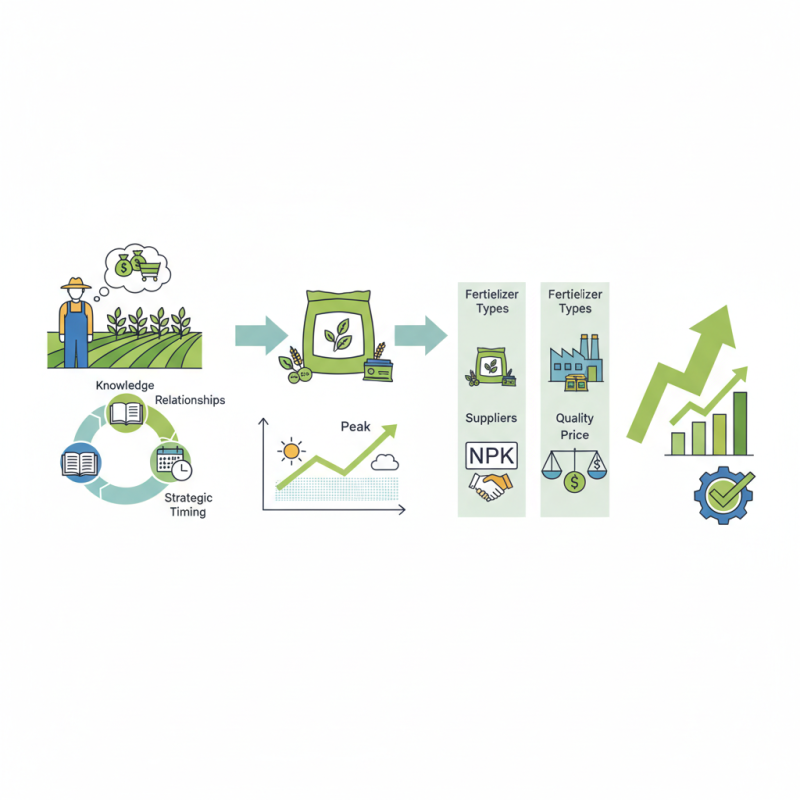
Ultimately, the journey to successfully buy wholesale fertilizer involves a blend of knowledge, relationships, and strategic timing. As agricultural needs evolve, being proactive in sourcing quality fertilizers can lead to enhanced crop performance, sustainability, and overall business success in the agricultural sector.
Understanding the Importance of Wholesale Fertilizer for Agriculture
Understanding the importance of wholesale fertilizer is crucial for agricultural success. Fertilizers play a vital role in enhancing soil fertility, which directly impacts crop yields and overall farm productivity. By purchasing fertilizers in bulk, farmers can ensure they have the right nutrients available for their crops at the right time. This not only leads to healthier plants but also helps in optimizing resource allocation, allowing farmers to plan their budgets more effectively.
Moreover, buying wholesale fertilizer often results in significant cost savings. When farmers buy in bulk, they can take advantage of lower prices per unit, reducing the overall expenditure on soil amendments. This efficiency enables farmers to reinvest their savings into other essential areas of their operations, such as equipment maintenance or labor. Additionally, consistent access to quality fertilizers can lead to improved soil health over time, fostering sustainable agricultural practices that benefit the environment and increase yields for future harvests. As such, understanding and leveraging the benefits of wholesale fertilizer is an essential strategy for any agricultural business aiming for long-term success and sustainability.
Identifying Your Agricultural Fertilizer Requirements
Identifying your agricultural fertilizer requirements is a crucial first step to ensuring a
successful and productive farm. Understanding the specific nutrient needs of your crops is essential for maximizing yield and achieving the highest quality produce.
According to the International Fertilizer Association, over 50% of global food production relies on the use of fertilizers, making it vital to select the right type and quantity based on soil conditions and crop demands. This requires a comprehensive assessment of your soil health, which can be evaluated through laboratory tests that identify macronutrient and micronutrient deficiencies.
When considering your fertilizer needs, it’s important to focus on the specific growth stages of your crops. Different stages, such as planting, vegetative growth, and fruiting, often require varied nutrient ratios. For instance, during early growth, plants typically need higher nitrogen levels, while potassium and phosphorus become more important as they mature. Regular soil testing and consulting agronomy experts can help tailor your fertilizer strategy effectively.
Tips: Always remember to align your fertilizer application with recommended rates to prevent overuse, which can lead to nutrient runoff and environmental concerns. Additionally, consider integrating organic fertilizers and cover crops into your nutrient management plan, as they can improve soil health and reduce dependency on synthetic options. This holistic approach not only supports your current agricultural needs but also contributes to sustainable farming practices in the long run.
Researching Suppliers and Comparing Wholesale Prices
When it comes to sourcing wholesale fertilizer, researching suppliers and comparing prices are crucial steps that can significantly impact your agricultural operations. According to a report by the International Fertilizer Association, global fertilizer consumption is projected to reach over 200 million tons by 2025. This growing demand emphasizes the importance of selecting reliable suppliers who can provide high-quality products at competitive prices.
Start by identifying potential suppliers through industry databases and trade shows. Building relationships with multiple suppliers allows you to gather a range of quotes, enabling informed comparisons. Data from the United States Department of Agriculture indicates that price fluctuations can vary by region and season, underscoring the necessity of timing your purchases wisely. For example, nitrogen fertilizers, which represent about 54% of total fertilizer consumption globally, often experience significant price volatility, prompting farmers to check market trends regularly to secure the best deals.
Additionally, consider the total cost of procurement, including delivery fees and minimum order quantities, as these factors can heavily influence the overall expenditure. An analysis from the Food and Agriculture Organization of the United Nations (FAO) found that strategic bulk buying could lower costs by up to 20% compared to purchasing smaller quantities. By thoroughly researching and comparing suppliers and their prices, you can optimize your fertilizer purchases to better support your agricultural needs.
How to Successfully Buy Wholesale Fertilizer for Your Agricultural Needs
| Supplier Category |
Location |
Fertilizer Type |
Minimum Order Quantity (Units) |
Average Price per Unit ($) |
Lead Time (Days) |
| Organic Suppliers |
California, USA |
Compost |
10 |
15.50 |
7 |
| Chemical Suppliers |
Texas, USA |
NPK Fertilizer |
50 |
12.00 |
14 |
| Local Co-ops |
Florida, USA |
Organic Granules |
20 |
18.75 |
10 |
| Bulk Distributors |
Illinois, USA |
Urea |
100 |
8.50 |
21 |
| International Suppliers |
Ontario, Canada |
Potash |
30 |
22.00 |
15 |
Evaluating Quality and Types of Fertilizers Available
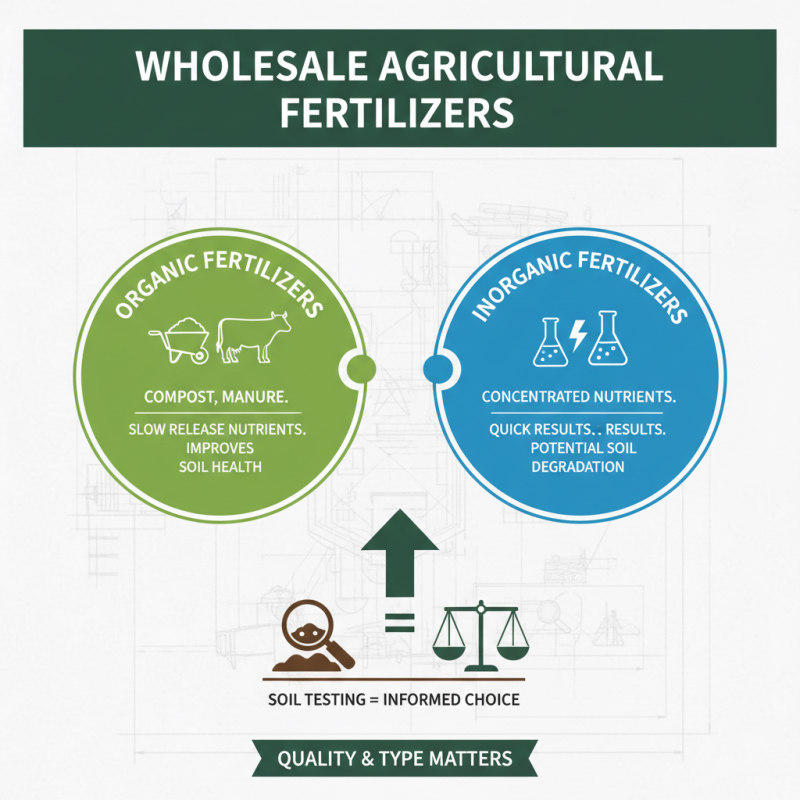
When considering wholesale fertilizer for agricultural needs, evaluating the quality and types available is essential. Various fertilizers can broadly be classified into organic and inorganic categories. Organic fertilizers, such as compost and manure, release nutrients slowly and improve soil health over time. In contrast, inorganic fertilizers typically contain concentrated nutrients, providing quicker results, but may lead to long-term soil degradation if overused. Understanding your soil's nutrient requirements through testing can guide you in selecting the right type.
Tips: Always check for certifications or quality assurances when purchasing fertilizers. Reputable suppliers often have product testing results available, highlighting nutrient content and any potential contaminants. Moreover, consider the specific crops you are cultivating, as different plants may require specific nutrient ratios to thrive.
Another key factor in evaluating fertilizers is the nutrient ratio, indicated by the N-P-K (nitrogen, phosphorus, potassium) values. This ratio helps farmers understand the primary nutrients their crops will receive. It's important to choose fertilizers that align with the growth stages of your crops to ensure optimal yield. Pay attention to local soil conditions as well; different regions may present unique challenges that require tailored fertilizer solutions.
Navigating Logistics and Delivery Options for Bulk Orders
When purchasing wholesale fertilizer, navigating logistics and delivery options is crucial to ensure timely and efficient supply to meet your agricultural needs. First, consider the distance between the supplier and your location. Longer distances can lead to increased shipping costs and potential delays. Establishing a reliable transportation method is essential. Many suppliers may have their own logistics arrangements, offering direct delivery services, while others may require you to arrange transportation. Understanding the delivery terms, including lead times and associated costs, can significantly affect your budgeting and planning.
Additionally, it is vital to assess the delivery conditions for bulk orders. Wholesale fertilizer typically involves large quantities, meaning special handling and storage may be necessary during transport. Ensure that the transport vehicles are suitable for carrying agricultural products and equipped to handle any specific requirements, such as temperature control or protection from moisture. It can also be beneficial to discuss the option of split shipments if your storage capacity is limited or if immediate bulk delivery is not feasible. By proactively addressing these logistics and delivery considerations, you can enhance the efficiency of your wholesale fertilizer procurement process.
Wholesale Fertilizer Purchase Analysis