Top 7 Tips to Speak Fertilizer Effectively for Better Plant Growth
In the world of gardening and agriculture, the term "speak fertilizer" has become a crucial phrase used by experts to emphasize the importance of effective communication regarding the application of nutrients for plant growth. Renowned horticulturist Dr. Emily Carter has stated, "Understanding how to speak fertilizer is not just about the products we use, but also about how we convey that knowledge to ensure our plants thrive." This mindset is essential as we delve into the complexities of how proper fertilization techniques can significantly enhance the health and productivity of plants.

As we explore the Top 7 Tips to Speak Fertilizer Effectively for Better Plant Growth, it is vital to recognize that the relationship between plants and their nutrients is not one-dimensional. It involves careful consideration of soil type, plant species, and growth stages. By mastering the art of "speak fertilizer," gardeners and farmers alike can foster robust growth and yield, allowing their green spaces to flourish. This guide will provide you with practical insights and strategies that can transform not only how you discuss fertilization but also how well your plants respond to it.
Understanding the Importance of Fertilizer for Optimal Plant Growth
Fertilizer plays a crucial role in enriching the soil and providing essential nutrients that plants need for healthy growth. Understanding the importance of fertilizer is vital for anyone looking to cultivate thriving gardens or agricultural plots. Without adequate nutrition, plants can become weak, exhibit stunted growth, and may even fail to produce fruit or flowers. The three primary nutrients—nitrogen, phosphorus, and potassium—each serve distinct purposes, from promoting leafy green growth to encouraging robust root development and flowering.
Applying the right type and amount of fertilizer is just as significant as understanding its composition. Over-fertilization can lead to nutrient runoff, which harms the environment, while under-fertilization limits plant potential. It is important to recognize the specific needs of each plant species and adjust fertilization practices accordingly. This informed approach not only enhances the health of individual plants but also contributes to sustainable gardening practices that protect our ecosystems. By grasping the significance of fertilizer and its proper application, gardeners can foster vibrant growth and ensure bountiful harvests.
Impact of Different Fertilizers on Plant Growth Rates
This chart illustrates the effect of various types of fertilizers on the growth rate of plants over a period of 8 weeks. The data shows the average height (in centimeters) of plants treated with organic, synthetic, and no fertilizer.
Identifying Different Types of Fertilizers and Their Uses
When it comes to enhancing plant growth, understanding the various types of fertilizers and their specific applications is crucial. Fertilizers can be categorized broadly into organic and inorganic. Organic fertilizers, such as compost or manure, improve soil structure and increase the microbial activity that is vital for nutrient absorption. A report by the Organic Trade Association indicates that organic fertilizer sales reached over $1.4 billion in 2020, signifying its rising popularity among eco-conscious gardeners and commercial growers alike.
On the other hand, inorganic fertilizers consist of synthetic compounds that provide a more immediate source of nutrients. These are particularly useful in precision agriculture, where data-driven tactics can boost crop yields. According to a study published in the journal "Agricultural Systems," proper use of inorganic fertilizers can enhance yield by up to 30% on average when applied through optimized practices. Moreover, different types of inorganic fertilizers, like nitrogenous, phosphatic, and potassic, all serve unique purposes. Understanding the nitrogen-to-phosphorus-to-potassium (N-P-K) ratio helps growers select the appropriate fertilizer for their specific crop needs, ensuring not only robust growth but also sustainability in their farming practices.
Best Practices for Applying Fertilizer to Enhance Soil Health
Applying fertilizer effectively is crucial for enhancing soil health and promoting better plant growth. To begin with, understanding the specific nutrient requirements of your plants is essential. Conducting a soil test can provide insights into nutrient levels, pH balance, and organic matter content, allowing you to choose the right type of fertilizer—whether it's organic or synthetic. Additionally, timing matters. Applying fertilizer during the growing season when plants are actively absorbing nutrients can significantly boost their health and productivity.
Another best practice is to follow recommended application rates to avoid nutrient runoff, which can lead to environmental harm. Incorporating fertilizers into the soil rather than spreading them on the surface can improve nutrient absorption and minimize loss. Furthermore, using mulch can help retain moisture and suppress weeds, creating a healthier environment for your plants. By adopting these practices, you not only enhance soil health but also foster robust growth in your garden or farm, ensuring sustainable agricultural practices for the future.
Top 7 Tips to Speak Fertilizer Effectively for Better Plant Growth
| Tip |
Description |
Best Time to Apply |
Recommended Amount |
| Know Your Soil |
Test soil to determine nutrient needs. |
Early Spring |
Based on soil test results. |
| Choose the Right Fertilizer |
Select fertilizers according to plant needs. |
Before Planting |
Follow package instructions. |
| Use Organic Fertilizers |
Opt for natural options for soil health. |
Anytime |
1-2 inches per square foot. |
| Apply at the Right Rate |
Avoid over-fertilizing to prevent damage. |
During Growing Season |
As per plant requirements. |
| Water After Application |
Ensure nutrients reach the roots. |
Immediately After Fertilizing |
N/A |
| Monitor Plant Response |
Watch for changes in growth and health. |
Ongoing |
N/A |
| Follow Seasonal Schedules |
Apply fertilizers as per local climate. |
Seasonally |
Refer to local guidelines. |
Timing and Frequency: When to Fertilize for Maximum Benefits
Timing and frequency are crucial elements in effectively fertilizing for better plant growth. Experts agree that the optimal time to fertilize your lawn occurs when the grass is actively growing, which differs based on whether you have cool-season or warm-season grasses.
For cool-season grasses, the best times to apply fertilizer are typically early spring and fall, while warm-season grasses benefit most from fertilization in late spring through summer. According to gardening experts, timing not only enhances nutrient uptake but also minimizes the risk of nutrient runoff, thereby contributing to a healthier lawn environment.
Furthermore, how often one should fertilize varies depending on the nutrient needs of the specific vegetation and the type of fertilizer used. Research indicates that lawns that receive a well-balanced fertilization regimen exhibit approximately 30% more vibrant growth than those that are fertilized erratically or not at all. For houseplants, it is advisable to fertilize during their active growing season, which usually falls in
spring and summer, to ensure they receive the essential nutrients, such as nitrogen, phosphorus, and potassium, they need to thrive. Emphasizing the importance of both timing and frequency can significantly enhance the effectiveness of fertilizer applications, ultimately leading to healthier plants and a flourishing garden.
Common Mistakes to Avoid When Using Fertilizers for Plants
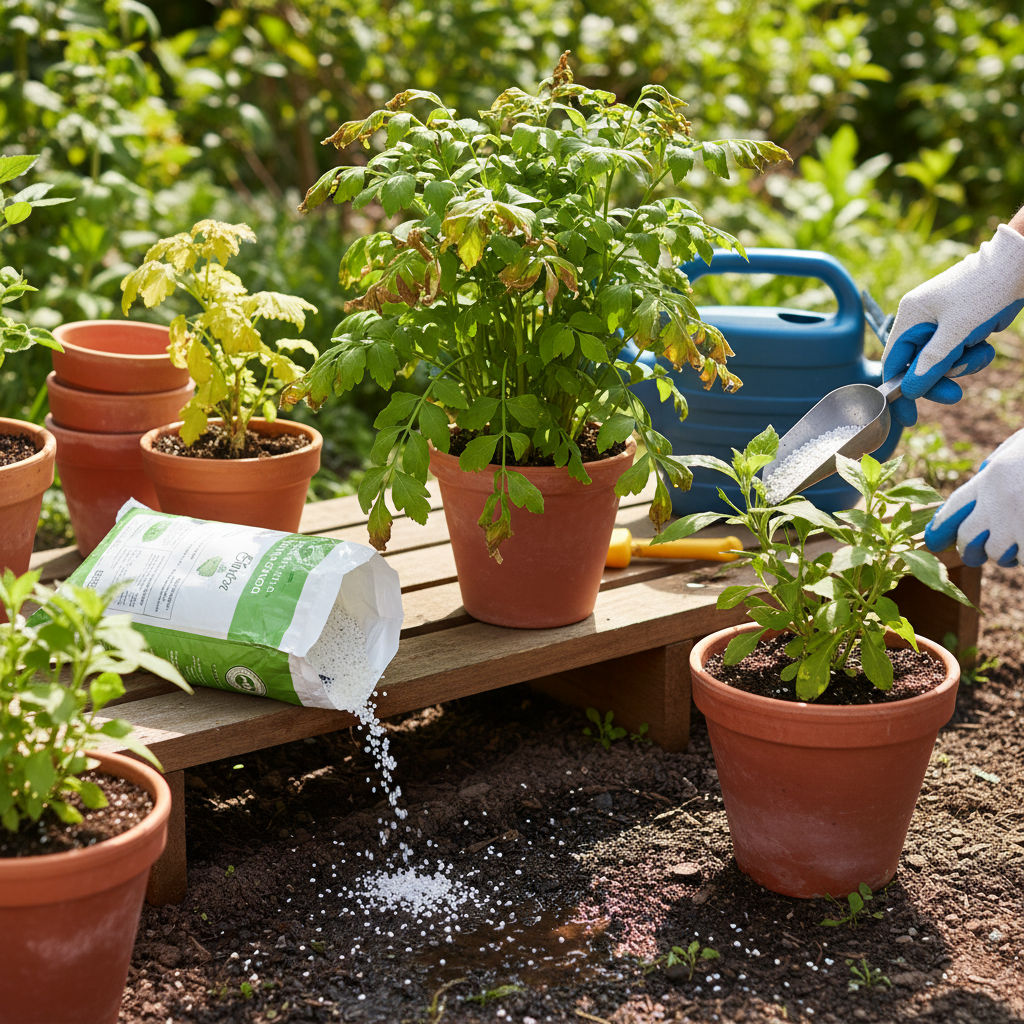
When it comes to fertilizing plants, avoiding common mistakes is crucial for ensuring optimal growth and health. One significant error many gardeners make is applying too much fertilizer. According to a report by the American Society of Horticultural Science, over-fertilization can lead to nutrient runoff, which not only harms plants but also contributes to environmental pollution. This excessive application may result in nutrient burn, characterized by the browning of leaf tips and poor overall plant vigor. Therefore, adhering to recommended fertilizer application rates is essential for sustainable gardening practices.
Another frequent mistake is neglecting to understand the specific nutrient needs of the plants. Different species have varying requirements, and a one-size-fits-all approach can be detrimental. A study published in the Journal of Plant Nutrition indicated that tailored fertilization, which considers factors like soil type and existing nutrient levels, can enhance plant performance by up to 30%. Regular soil testing is an invaluable tool for gardeners to identify these needs and adjust their fertilization strategies accordingly, ensuring plants receive the right nutrients at the right time.