Top 10 Professional Fertilizer Options for Successful Gardening and Farming?
Gardening and farming require careful planning and the right tools. One essential tool in the farmer's or gardener's arsenal is the professional fertilizer. Using the right professional fertilizer can make a significant difference in crop yield and plant health.
Many options exist, from organic to synthetic types. Each professional fertilizer has unique benefits and challenges. Selecting the best one involves considering soil type, plant needs, and environmental impact. Some may find it challenging to balance effectiveness with sustainability. It is crucial to reflect on these choices deeply.
Over-reliance on chemical fertilizers could harm the ecosystem. It’s important to approach each gardening task thoughtfully. Understanding the implications of our choices allows for improved results. The journey toward successful gardening starts with knowledge and a commitment to using fertilizers responsibly.
Top Characteristics of Effective Fertilizers in Agriculture
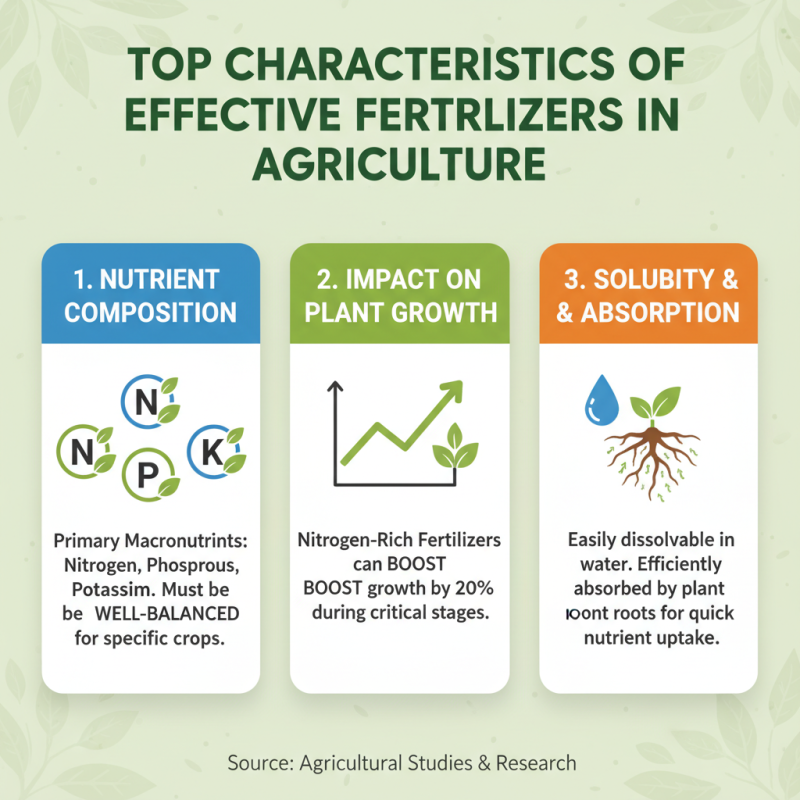
In successful gardening and farming, effective fertilizers play a crucial role. Key characteristics differentiate quality fertilizers from poorer options. Nutrient composition is vital. The three primary macronutrients are nitrogen, phosphorus, and potassium. Well-balanced fertilizers contain these in proportions that suit specific crops. Studies show that a nitrogen-rich fertilizer can boost plant growth by 20% at critical stages.
Release rate matters too. Slow-release fertilizers ensure nutrients are available over time. This method minimizes nutrient loss through leaching. A report from the Agriculture Research Institute highlights that slow-release options improve yield uniformity significantly. In contrast, rapid-release products can cause nutrient spikes, which might be detrimental.
Moreover, the presence of micronutrients cannot be overlooked. Essential elements like zinc, iron, and manganese support plant health. Deficiencies can lead to stunted growth or poor yields. Interestingly, around 30% of farmers overlook soil testing. This oversight can result in imbalanced nutrient application. Understanding soil needs is key to effective fertilization. Neglecting this aspect can lead to serious reflection on agricultural practices and outcomes.
N-P-K Ratios: Understanding Nutrient Composition in Fertilizer
Understanding N-P-K ratios is crucial for effective gardening and farming. N-P-K stands for nitrogen (N), phosphorus (P), and potassium (K). These three nutrients are essential for plant growth. Each serves a different purpose.
Nitrogen promotes lush leaf growth.
Phosphorus supports strong roots, flowers, and fruit.
Potassium helps regulate water usage and enhances disease resistance.
When choosing fertilizer, consider the specific needs of your plants. Soil testing can reveal deficiencies. For example, leafy greens thrive on higher nitrogen levels. Conversely, root vegetables may benefit from more phosphorus. It's important to follow the recommended application rates. Over-fertilizing can harm plants and soil. Think about organic options as well. They enrich soil over time, improving its structure and health.
N-P-K ratios are not one-size-fits-all. Plants are diverse, and their nutrient needs vary. Pay attention to blooming cycles. Some flowers require more phosphorus during blooming. Others might need balanced nutrients throughout their growth stages. Learning these details can improve your gardening success. However, every gardener makes mistakes. Reflecting on what works—and what doesn’t—can lead to better practices over time.
Comparative Analysis of Organic vs. Synthetic Fertilizers
When choosing fertilizers, organic and synthetic options often come to mind. Organic fertilizers are derived from natural sources. They include compost, manure, and bone meal. These options enrich the soil with nutrients and improve its structure. They often promote a healthier ecosystem by supporting beneficial microbes. However, their slow-release nature can be a drawback for quick results.
On the other hand, synthetic fertilizers provide immediate nutrients. They are concentrated and easily accessible for crops. Farmers might appreciate their effectiveness in boosting yields rapidly. Yet, reliance on these can lead to soil degradation over time. Synthetic options may disrupt the natural balance in soil. This raises concerns about their long-term impacts.
Finding a balance between both types is crucial. Understanding the specific needs of the garden or farm is essential. Each situation might require a different approach. There are certainly benefits to blending organic matter with synthetic substances. However, the environmental implications should always be considered carefully.
Top 10 Professional Fertilizer Options for Successful Gardening and Farming
| Fertilizer Type |
Nutrient Composition |
Release Rate |
Environmental Impact |
Cost (per pound) |
| Organic Compost |
N-P-K ratios vary |
Slow |
Low |
$0.10 |
| Fish Emulsion |
5-2-2 |
Medium |
Moderate |
$0.20 |
| Bone Meal |
4-12-0 |
Slow |
Low |
$0.15 |
| Synthetic Nitrogen |
N: 46% |
Quick |
High |
$0.30 |
| Potassium Sulfate |
0-0-50 |
Medium |
Moderate |
$0.25 |
| Alfalfa Meal |
3-1-2 |
Slow |
Low |
$0.12 |
| Urea |
46% N |
Quick |
High |
$0.28 |
| Ammonium Nitrate |
34% N |
Quick |
High |
$0.35 |
| 12-12-12 Fertilizer |
12-12-12 |
Medium |
Moderate |
$0.40 |
Impact of Micronutrients on Plant Growth and Soil Health
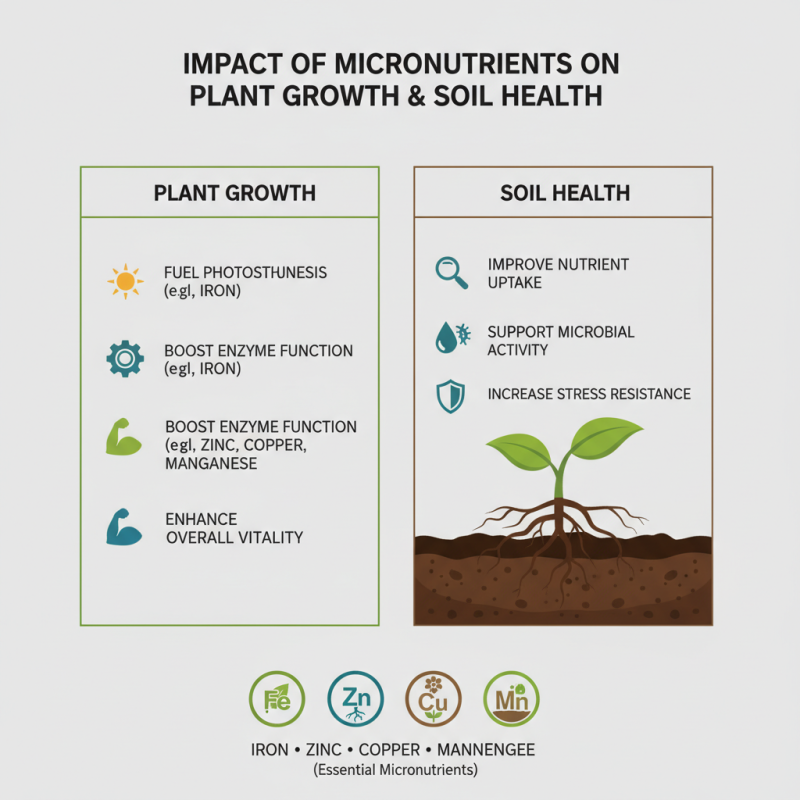
Micronutrients play a vital role in plant growth and soil health. Plants require these nutrients in small amounts, yet their impact is significant. Essential micronutrients include iron, zinc, copper, and manganese. Each of these contributes to crucial processes like photosynthesis and enzyme function.
Soil health often suffers from micronutrient deficiencies. For example, a lack of iron can lead to chlorosis, where leaves turn yellow while veins remain green. This condition is common in alkaline soils. However, adding too much can be detrimental as well. Over-fertilization may cause toxic conditions that harm plants and degrade soil quality.
Gardeners often overlook these essential elements. It’s easy to focus on macronutrients like nitrogen and phosphorus, neglecting the smaller players. Testing soil helps identify these deficiencies. However, it's not always accurate. Sometimes, the actual nutrient levels in soil vary from reported data. This can lead to misjudgments in fertilizer application, ultimately affecting plant health and yields.
Evaluating Environmental Sustainability of Fertilizer Choices
When choosing fertilizers, environmental sustainability is often overlooked. Many commercial options contain synthetic chemicals. These can harm soil quality over time. They may lead to water pollution and affect local ecosystems. Sustainable alternatives are increasingly important in this conversation.
Organic fertilizers can support ecological balance. They promote healthy soil microbe activity. These substances break down slowly, releasing nutrients gradually. However, they may require more effort for application and sourcing. Understanding how to use them correctly is essential. There’s also the challenge of consistency in nutrient delivery.
Another aspect is the carbon footprint of fertilizers. Some options are produced with heavy energy use. This raises questions about their overall sustainability. Evaluating the life cycle of a fertilizer can provide insight. Are we prioritizing short-term benefits over long-term health? It is critical to consider the broader impact of our choices. Embracing a sustainable approach is not always straightforward, but it is necessary.
Top 10 Professional Fertilizer Options: Environmental Sustainability Evaluation