2026 Top Agricultural Fertilizer Trends to Watch Out For?
As the agricultural industry evolves, the demand for innovative agricultural fertilizer solutions is growing. Farmers face unique challenges each season. They need fertilizers that not only boost crop yield but also enhance soil health. In 2026, fertilizer trends are expected to reflect this urgent need.
Sustainability is a key focus. Organic fertilizers and bio-stimulants are gaining traction. These alternatives draw interest for their reduced chemical footprint. However, debates arise around their efficacy compared to traditional fertilizers. Some growers hesitate, questioning if these products are truly effective.
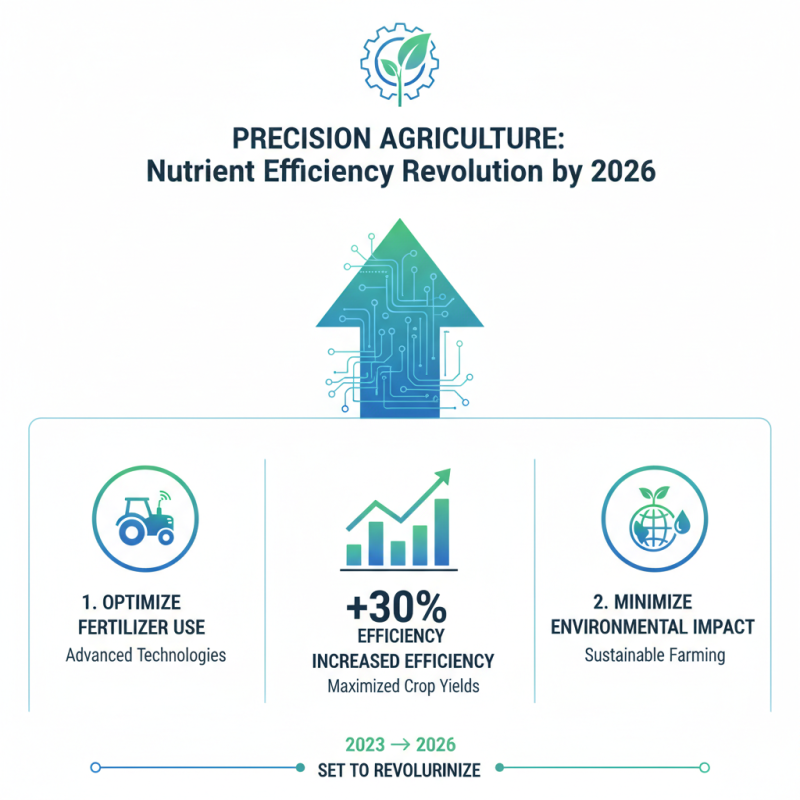
Another trend involves precision agriculture. Technology offers tailored fertilizer applications. This method can maximize efficiency and minimize waste. Yet, implementing such technology can be costly and complex, prompting reflection on affordability. The conversations about agricultural fertilizers are rich and nuanced, paving the way for a promising future.
Emerging Eco-Friendly Fertilizer Options for Sustainable Agriculture
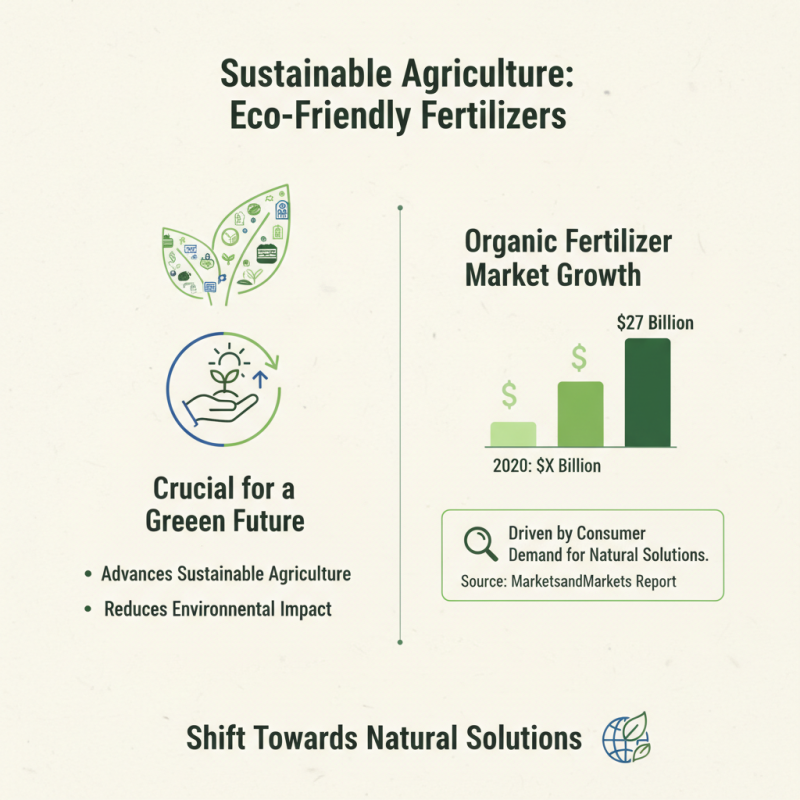
Emerging eco-friendly fertilizer options are crucial for advancing sustainable agriculture. In recent years, organic fertilizers have gained traction, driven by consumer demand for sustainable practices. According to a report by MarketsandMarkets, the organic fertilizer market is projected to reach $27 billion by 2025, reflecting a growing shift towards natural solutions.
Bio-based fertilizers are also on the rise. These fertilizers use microorganisms to enhance soil health and nutrient uptake. The global bio-based fertilizer market is expected to grow at a compound annual growth rate of 10% from 2021 to 2026. However, the effectiveness of bio-based fertilizers can vary widely depending on soil conditions and crop types. Farmers must invest in research to fully understand these variations.
Compost is another contender. Studies show that compost can improve soil structure, water retention, and nutrient supply. However, the inconsistent quality of compost can present challenges for farmers aiming for uniformity. Additionally, some farmers remain skeptical about the costs versus benefits of transitioning to eco-friendly options. These concerns highlight the ongoing need for education and adaptation in the agricultural sector.
Technological Advancements Shaping Fertilizer Production in 2026
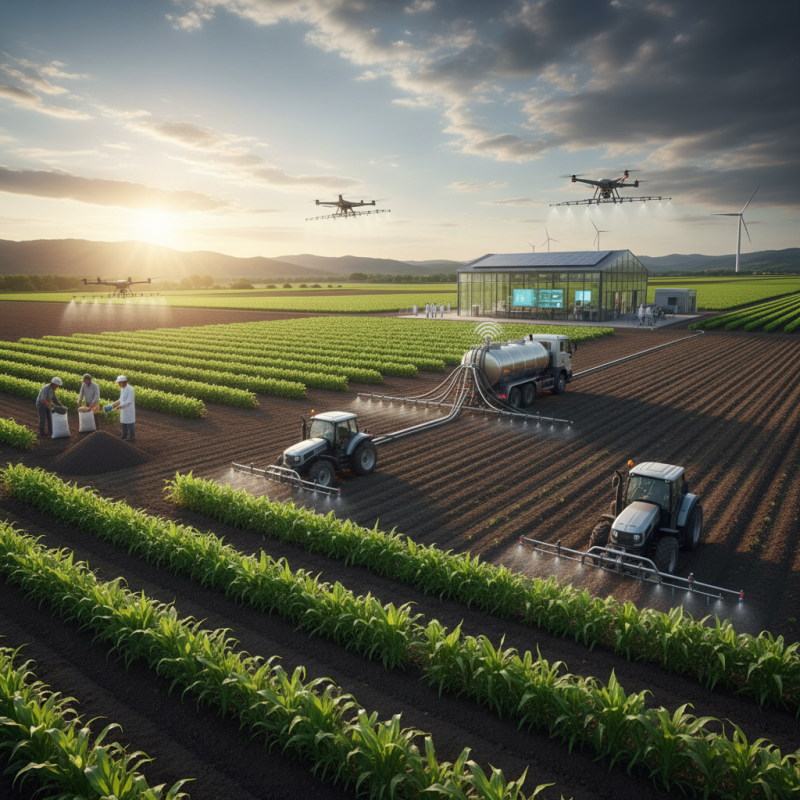
In 2026, technological advancements are expected to reshape fertilizer production significantly. Automation will play a critical role in this evolution. Machines will streamline processes, improving efficiency and reducing labor costs. Smart sensors in agriculture will monitor soil health and nutrient levels in real-time. This data will help farmers make informed decisions on fertilizer application.
The use of AI and machine learning will also redefine how fertilizers are developed. Predictive analytics can optimize formulations, ensuring the right nutrients are available when needed. However, the reliance on technology comes with challenges. Not all farmers may have access to these advanced tools. There’s also the risk of over-reliance on automated systems. These can sometimes misinterpret data, leading to poor decisions.
Moreover, sustainable practices are gaining traction. Innovations in biofertilizers and organic alternatives are becoming popular. Farmers are increasingly looking for eco-friendly options. Yet, implementing these can be complex. Education and transition periods are necessary for many growers. Balancing innovation with traditional methods could provoke debates within the industry.
Impact of Global Policy Changes on Fertilizer Market Trends
As global policies shift, the fertilizer market faces significant changes. Recent reports indicate that the nitrogen fertilizer market will reach $75 billion by 2026. This growth reflects rising food demand and changing agricultural practices. With new regulations around carbon emissions, producers must adapt. Some might struggle to keep up.
Policies promoting sustainability push fertilizers to become more environmentally friendly. A study from the International Fertilizer Association highlights that 40% of new products will focus on efficiency and reduced impact. Farmers may hesitate to adopt unfamiliar technologies. Resistance to change can slow progress despite clear advantages.
Trade agreements also play a crucial role. Changes in tariffs might affect fertilizer prices. A recent analysis showed potential price increases of 10-15% depending on regions. Buyers need to be prepared for fluctuations. It can be challenging to navigate these changes while maintaining profit margins. Engaging with local policies is essential for success.
Market Demand: Shifts Towards Organic and Specialty Fertilizers
As the agricultural landscape evolves, market demand is increasingly shifting towards organic and specialty fertilizers. According to a recent report from Mordor Intelligence, the global organic fertilizer market is expected to reach $20 billion by 2025. This highlights the growing preference among farmers for environmentally friendly products. Organic fertilizers not only enhance soil health but also improve crop yields sustainably.
Specialty fertilizers, which cater to specific nutrient needs, are also gaining traction. Research by Grand View Research indicates that the specialty fertilizer market witnessed a growth rate of approximately 9% from 2019 to 2021. This trend reflects farmers' desire to optimize their inputs and achieve better outputs. However, the increasing complexity of these fertilizers can create confusion. Farmers may struggle to understand their applications and benefits fully.
Moreover, the transition to organic or specialty fertilizers is not without challenges. Supply chain disruptions can affect availability. Additionally, the price point for organic options is often higher compared to traditional fertilizers. Balancing cost and sustainability remains a significant concern for farmers. They must gauge whether the benefits align with their operational goals. While the future seems promising for organic and specialty fertilizers, the industry must reflect on these ongoing challenges.
2026 Top Agricultural Fertilizer Trends
This chart illustrates the projected market demand for various types of fertilizers in 2026. The data indicates a clear trend towards organic and specialty fertilizers as consumers increasingly prioritize sustainability in agricultural practices.