Top 10 Fertilizer Production Techniques for Global Buyers?
Effective fertilizer production is essential for global agriculture. According to the Food and Agriculture Organization (FAO), global fertilizer consumption is projected to reach 200 million tons by 2025. This alarming growth underlines the importance of adopting efficient production techniques.
Innovations in fertilizer production are crucial for meeting rising food demands. As the world’s population approaches 9.7 billion by 2050, the agricultural sector faces immense pressure. Techniques such as precision farming and sustainable practices are helping to address these challenges. Yet, many producers still rely on outdated methods.
In the ever-evolving agricultural landscape, it's vital to stay informed of the latest trends. Understanding the top fertilizer production methods can lead to improved efficiency and reduced environmental impact. However, many producers struggle to adapt. The challenge lies in balancing productivity with sustainability.
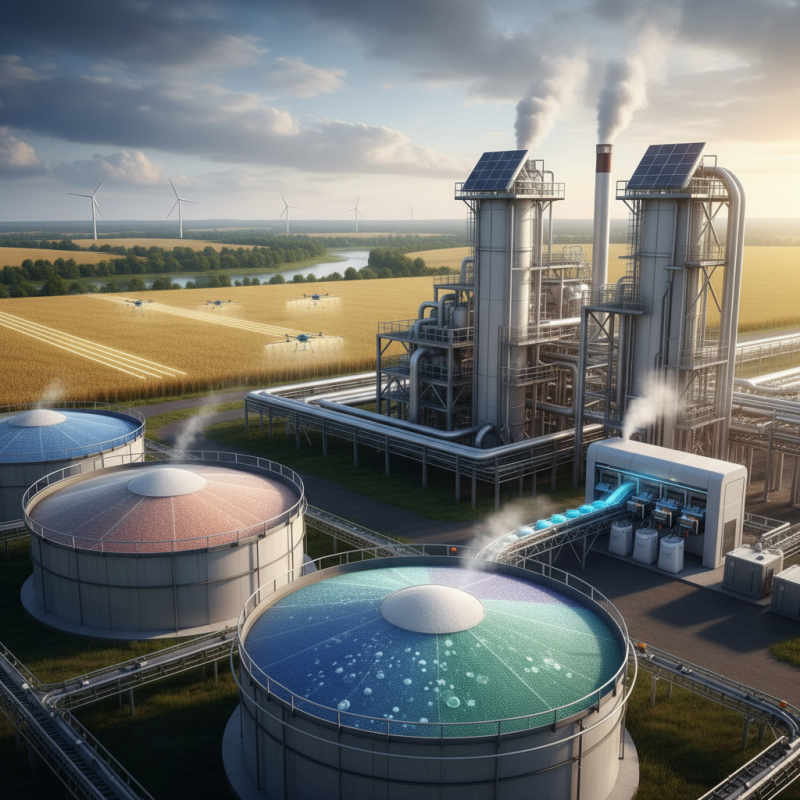
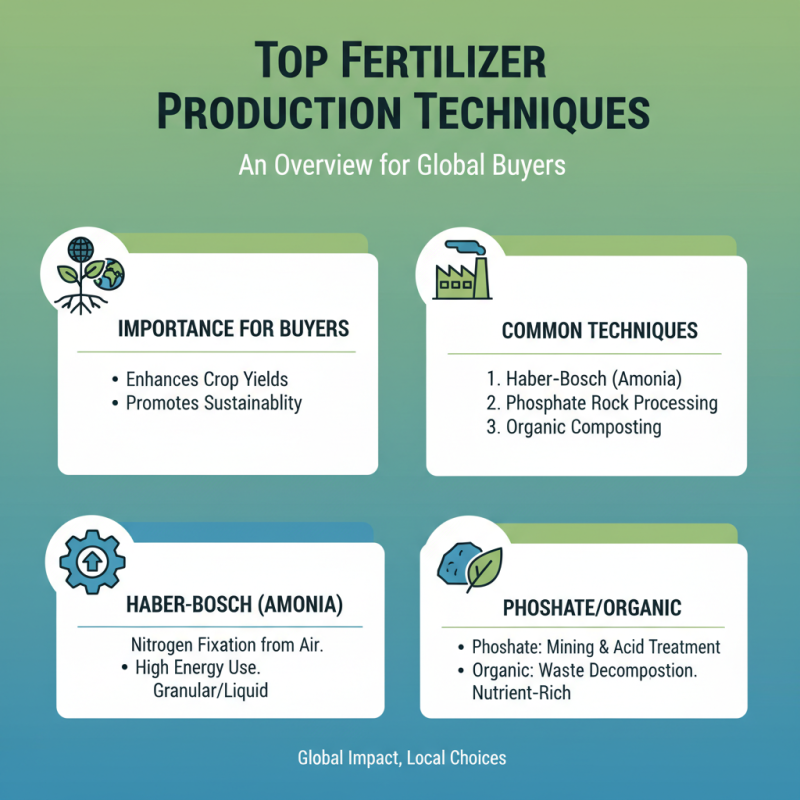
Top Fertilizer Production Techniques: An Overview for Global Buyers
Fertilizer production techniques hold great significance for global buyers. Understanding these methods can enhance crop yields and sustainability. Different techniques are employed worldwide, each with its advantages and challenges.
One key technique is the Haber-Bosch process, essential for synthetic ammonia production. This method combines nitrogen with hydrogen at high temperatures and pressures. While effective, it raises concerns about energy consumption. Another popular method is composting, involving natural decomposition of organic matter. This approach improves soil health and promotes biodiversity. However, it requires careful management to avoid contamination.
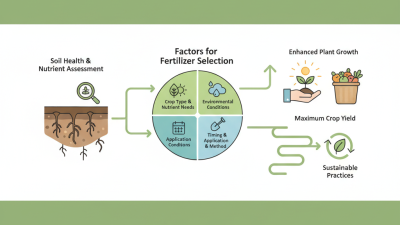
Buyers should consider local conditions when choosing production techniques. Factors like soil type and climate influence the effectiveness of fertilizers. Sustainable practices are gaining importance, but they can be complex to implement. It’s crucial for buyers to stay informed about evolving methods to make educated choices.
Understanding Nitrogen Fertilizers: Production Methods and Market Trends
Nitrogen fertilizers play a crucial role in modern agriculture, impacting crop yield and soil health. Their production techniques vary significantly across regions. The most common methods include the Haber-Bosch process and atmospheric nitrogen fixation. These methods convert atmospheric nitrogen into ammonia, a key ingredient in nitrogen fertilizers. However, the environmental implications of these techniques warrant closer examination.
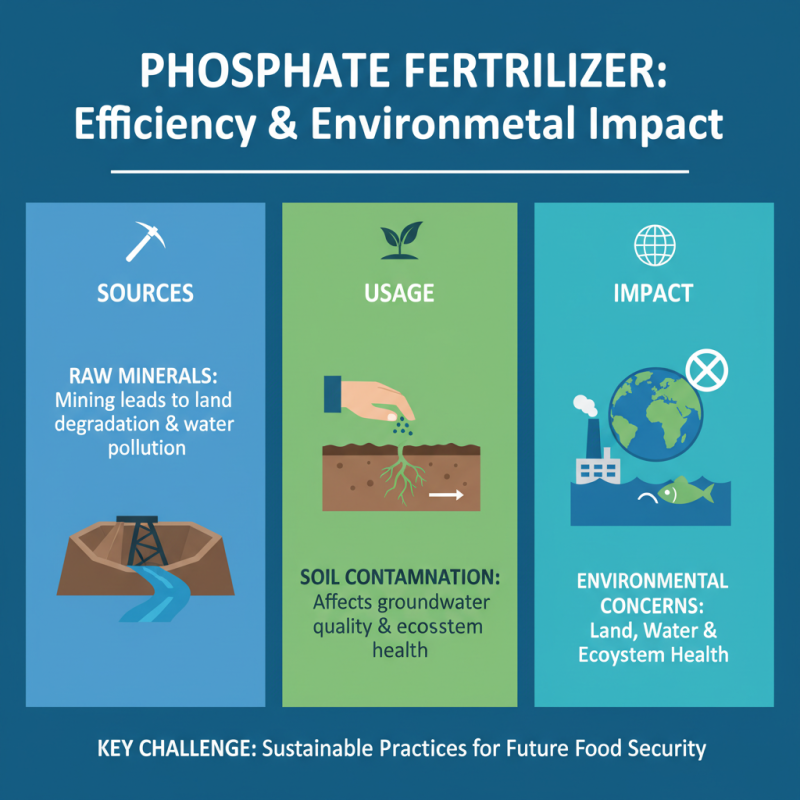
Many producers face challenges in sourcing sustainable raw materials. The extraction processes for natural gas and phosphate rock can lead to environmental degradation. Furthermore, innovations such as biotechnological methods are emerging, although they require significant investment. These advancements may provide solutions that balance efficiency and sustainability.
Market trends indicate a growing demand for eco-friendly nitrogen fertilizers. Farmers increasingly seek products that promote long-term soil health. Traditional nitrogen fertilizers can lead to nutrient runoff, causing water pollution. Shifting consumer preferences encourage research into slow-release formulations. These products minimize environmental impact while supporting crop productivity. Understanding these dynamics is essential for buyers navigating the global fertilizer market.
Innovative Potash Production: Technology Advancements in 2023
Innovative potash production has seen remarkable advancements in 2023. Technology is reshaping the fertilizer industry, offering improved efficiency and sustainability. New extraction methods, like solution mining, allow for reduced environmental impact. This technique minimizes land disruption while maximizing output. The ability to produce potash with less water and energy makes it a game-changer for global buyers.
Investing in advanced technologies is crucial for success in the fertilizer market. Buyers should seek reliable suppliers who utilize these innovative techniques. Regularly assess the efficiency of production methods and their environmental footprint. Collaboration with experts in agro-technology can yield better results.
Consider the challenges that come with new techniques. Not all innovations guarantee immediate success. Potential buyers should remain skeptical and ask for data supporting claims. Experiment with small batches before larger investments. Continuous learning and adaptation are vital.
Top 10 Fertilizer Production Techniques in 2023
This chart represents the estimated production output (in million tons) of various innovative fertilizer production techniques in 2023.
Sustainable Practices in Fertilizer Production: Balancing Yield and Ecology
Sustainable fertilizer production is crucial for balancing agricultural yield and ecological health. The agricultural sector is under pressure to improve productivity without compromising the environment. According to the Food and Agriculture Organization (FAO), global fertilizer use has increased by over 50% in the last two decades. This trend raises concerns about soil health and water quality.
Employing advanced techniques can reduce ecological impact. Practices like precision agriculture use data analytics to apply fertilizers more efficiently. This method can cut fertilizer use by as much as 20%, reducing runoff into water bodies. Moreover, organic fertilizers show promising potential. Research indicates that they can improve soil structure while minimizing chemical inputs.
Despite these advancements, challenges remain. Over-reliance on chemical fertilizers leads to soil degradation. Farmers must balance immediate yield needs with long-term sustainability. Engaging in practices like crop rotation and cover cropping can enhance soil health. Building a resilient agricultural ecosystem is essential for future food security. While progress is evident, ongoing reflection on practices is crucial.
Top 10 Fertilizer Production Techniques for Global Buyers
| Production Technique |
Sustainability Impact |
Yield Efficiency (%) |
Ecological Footprint |
Cost (USD/Ton) |
| Organic Fertilizers |
High |
75 |
Low |
300 |
| Biofertilizers |
Very High |
70 |
Very Low |
200 |
| Controlled-Release Fertilizers |
Moderate |
80 |
Moderate |
450 |
| Nanofertilizers |
High |
85 |
Low |
500 |
| Compost |
Very High |
65 |
Very Low |
100 |
| Green Manure |
Very High |
60 |
Very Low |
50 |
| Fish Emulsion |
Moderate |
70 |
Moderate |
250 |
| Liquid Fertilizers |
Low |
75 |
High |
400 |
| Microbial Inoculants |
High |
80 |
Low |
350 |
| Soil Amendments |
Moderate |
65 |
Moderate |
225 |