2026 Top Field Fertilizer Types for Optimal Crop Growth?
In the pursuit of optimal crop growth, understanding the role of field fertilizer becomes essential. Farmers face numerous challenges when selecting the right type of fertilizer. The choice can significantly affect both yield and soil health. Modern agriculture demands an informed approach. With a variety of field fertilizer options available, each has unique advantages and drawbacks.
Exploring different fertilizer types can help enhance crop productivity. For instance, synthetic fertilizers are favored for their immediate nutrient release. However, they often raise concerns about long-term soil health. Organic options, on the other hand, promote sustainability but may require more time to show results. A balance between immediate needs and long-term effects is crucial.
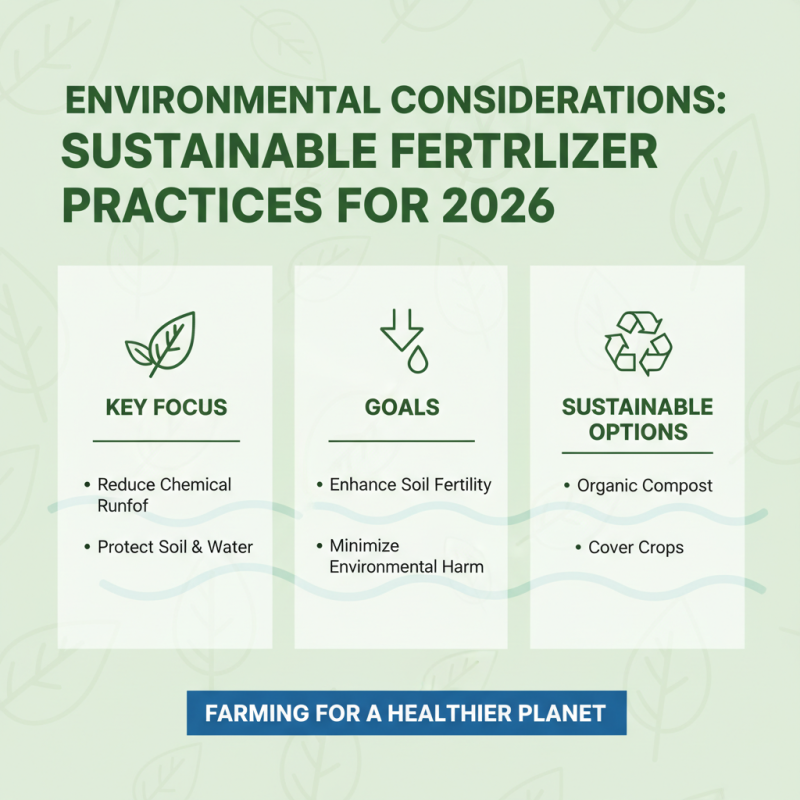
Field fertilizer choices must also consider environmental impacts. Improper use can lead to nutrient runoff and pollution. This reflects a need for careful planning and responsible application. As agricultural practices evolve, it is vital to stay informed. Continual learning about field fertilizers can empower farmers to make better decisions for their crops and the environment.
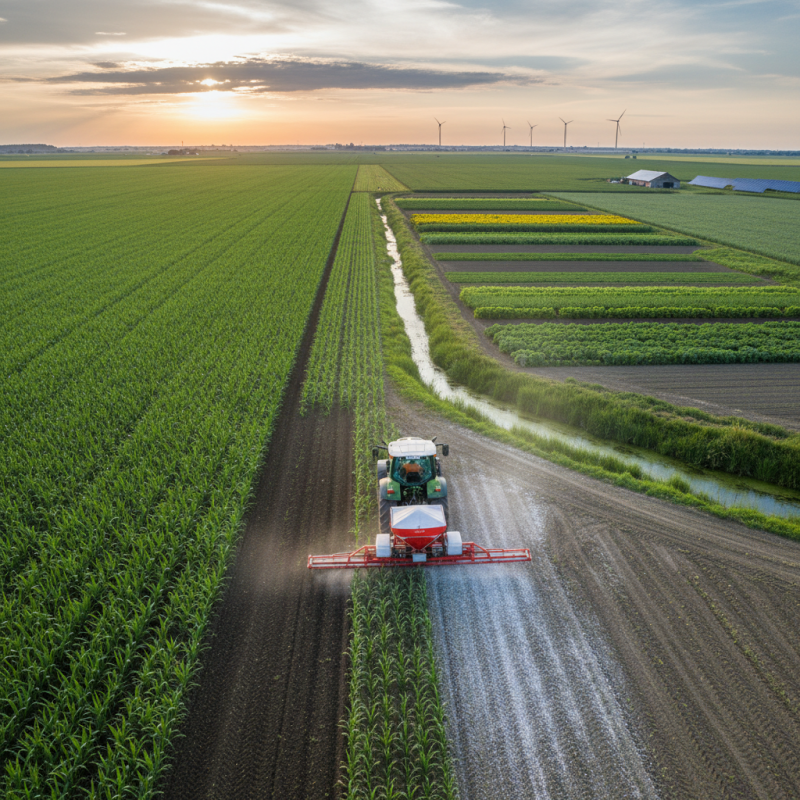
Overview of Field Fertilizers: Types and Their Importance for Crops
Field fertilizers play a crucial role in ensuring optimal crop growth. Different types of fertilizers cater to various nutrient needs of the soil. Understanding these can significantly enhance yield. For instance, nitrogen fertilizers promote leaf growth and are essential during the early stages. Phosphorus supports root development. Potassium, on the other hand, boosts overall plant health.
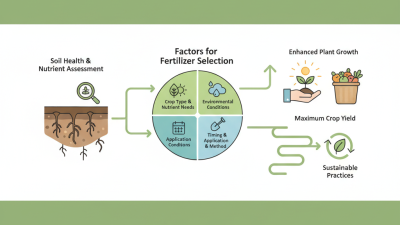
When selecting fertilizers, farmers must consider soil composition. Not all fertilizers suit every field. Conducting soil tests can reveal nutrient deficiencies. Many crops require a balanced mix of nutrients. Relying on a single type may lead to imbalances. This could impact crop health and yield. It is beneficial to rotate fertilizers based on season and crop type.
Despite advancements, the use of fertilizers raises questions. Over-fertilization can lead to nutrient runoff, harming waterways. Educating farmers about the right application methods is vital. Continuous learning and adjustments are necessary for sustainable farming. Balancing productivity with environmental health remains a challenge. Explorations into organic fertilizers are promising, but more research is needed.
2026 Top Field Fertilizer Types for Optimal Crop Growth
This chart illustrates the effectiveness of various field fertilizer types on crop yield. The data represents the average increase in crop yield percentage attributed to each fertilizer type for the year 2026.
Key Nutrient Components in Fertilizers and Their Role in Plant Health
In 2026, understanding the key nutrient components in fertilizers is essential for achieving optimal crop growth. Major nutrients like nitrogen, phosphorus, and potassium (N-P-K) significantly impact plant health. According to the USDA, nitrogen promotes vigorous growth, while phosphorus aids in root development and flowering. Potassium is crucial for overall plant function, enhancing resilience to stress factors.
Micronutrients also play vital roles. Iron, manganese, and zinc are essential for enzymatic processes and chlorophyll production. A soil test can help determine the nutrient deficiencies in specific regions. It’s not uncommon for farmers to overlook these micronutrients, potentially leading to poor crop yields.
Tip: Regular soil assessments ensure a balanced nutrient mix in your fertilizers, which optimally supports crop health.
Fertilizer application must be carefully managed. Over-fertilization can lead to nutrient runoff, harming water quality. Studies show that 40% of fertilizers in use can contribute to environmental issues. Awareness of application techniques can mitigate these risks.
Tip: Consider using slow-release fertilizers to minimize loss and enhance nutrient availability over time.
2026 Top Field Fertilizer Types for Optimal Crop Growth
| Fertilizer Type |
Nutrient Components |
Primary Benefits |
Recommended Crops |
| NPK Fertilizer |
Nitrogen, Phosphorus, Potassium |
Promotes balanced growth and enhances yield |
Cereals, Vegetables, Fruits |
| Urea |
Nitrogen |
Fast-acting nitrogen source, boosts vegetative growth |
Rice, Corn, Wheat |
| Ammonium Sulfate |
Nitrogen, Sulfur |
Improves protein content in crops |
Fruits, Nuts, Vegetables |
| Superphosphate |
Phosphorus |
Enhances root development and flowering |
Potatoes, Legumes, Flowering Crops |
| Potassium Sulfate |
Potassium, Sulfur |
Improves drought resistance and fruit quality |
Tomatoes, Grapes, Citrus |
Emerging Trends in Fertilizer Technologies for Improved Crop Yields
As agriculture evolves, the spotlight shifts to new fertilizer technologies that enhance crop yields. Emerging trends focus on precision agriculture. This technique uses data analytics to apply fertilizers more effectively. According to a recent report by AgFunder, precision agriculture can increase yields by up to 20%. Farmers can now use drones and sensors to gather real-time data on soil health and nutrient levels.
Biologically enhanced fertilizers are gaining traction as well. These fertilizers use natural microorganisms to improve nutrient availability in the soil. Research from the Soil Science Society highlights that such fertilizers can lead to a 10% increase in nutrient uptake. However, the challenge lies in the inconsistent performance of these products under varying environmental conditions. The collaboration between microbiologists and agronomists is essential to refine these solutions.
Sustainable practices are now leading the way, pushing for reduced chemical usage. The challenge remains in balancing efficiency with environmental impact. Farmers often express concerns over the cost-effectiveness of these innovations. Despite potential benefits, many are cautious before making the transition. This skepticism is not unwarranted, as the industry must demonstrate reliable long-term advantages for these advanced fertilizers.
Best Practices for Selecting and Applying Fertilizers Efficiently
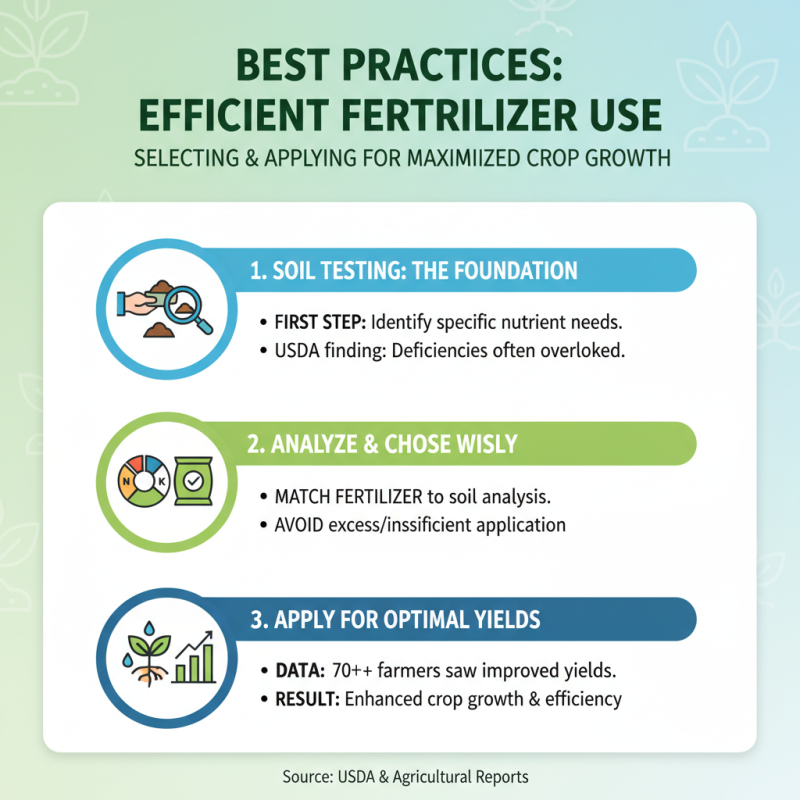
Selecting the right fertilizer is crucial for maximizing crop growth. Soil testing is the first step. According to the USDA, nutrient deficiencies are often overlooked. Analyzing soil helps identify specific needs. For instance, over 70% of farmers report improved yields after adjusting their fertilizer based on soil tests.
Understanding fertilizer types is equally important. Nitrogen, phosphate, and potassium are the primary nutrients. Each plays a unique role in plant growth. A recent report by the International Fertilizer Association reveals that balanced fertilization boosts crop yield by up to 30%. However, improper application can result in nutrient runoff, harming aquatic ecosystems.
Efficient application methods also matter. Techniques like precision farming enable targeted distribution. Using GPS technology allows farmers to apply fertilizers more accurately. However, not all regions have access to such technology. This can lead to waste and economic drawbacks. A cautious approach and local adjustments are essential for responsible fertilizer use. Balancing crop needs with environmental safety is a growing challenge that requires ongoing reflection.