Top 10 Ltcc Cutting Machines You Need for Your Business?
In today's competitive manufacturing landscape, the selection of the right tools is crucial. The "Ltcc Cutting Machine" sector has seen significant advancements. Industry expert, Dr. Emily Huang, emphasizes, “Choosing the right Ltcc Cutting Machine can define your production efficiency.” Her insights highlight the importance of precision in cutting technologies.
These machines are essential for businesses specializing in ceramics, electronics, and other material applications. The growing demand for speed and accuracy requires investing in top-tier equipment. Ltcc Cutting Machines vary widely in features and capabilities, making the selection process daunting. Factors like cutting speed, precision, and ease of use must be considered.
However, not all businesses effectively utilize these machines. Many neglect the maintenance aspect or fail to choose models that fit their specific needs. This oversight can lead to inefficiency and increased costs. It’s vital to assess your business requirements before making a decision. Therefore, exploring the top 10 Ltcc Cutting Machines can offer valuable insights to enhance your operations.
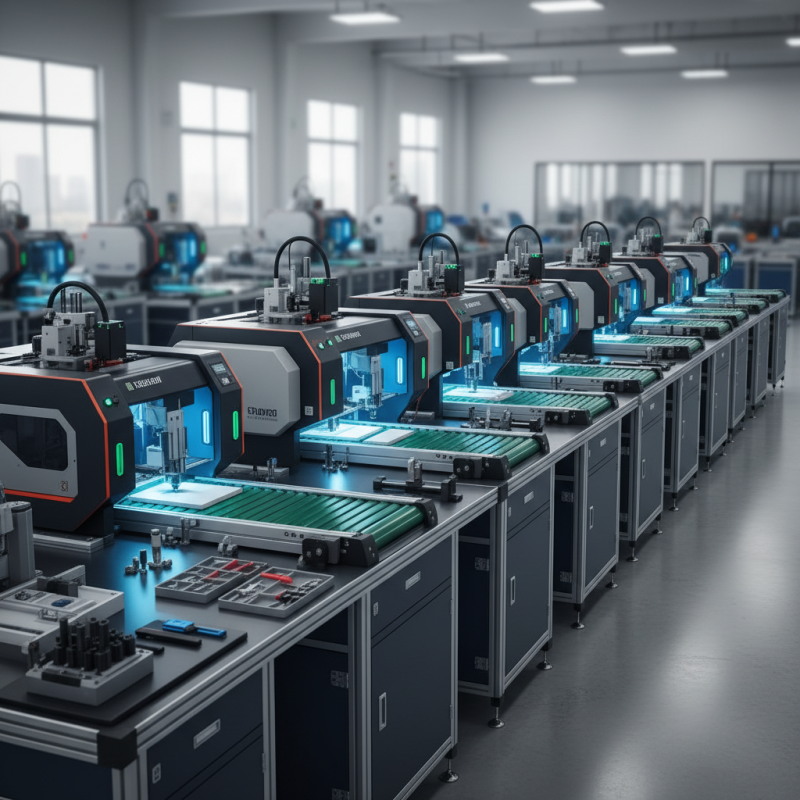
Overview of LTCC Cutting Machines in Modern Manufacturing
LTCC (Low-Temperature Co-fired Ceramic) cutting machines play a vital role in modern manufacturing. They enable precise sizing and shaping of ceramic materials used in various electronic applications. With the miniaturization of devices, the demand for high-quality cutting solutions is on the rise. Companies rely on efficient LTCC cutting machines to ensure accuracy and reduce waste during production.
These machines are designed for flexibility. They can handle different thicknesses and sizes of ceramic substrates. Many models feature advanced laser technology, enhancing precision. However, not all machines are created equal. Some may struggle with thicker materials, leading to uneven cuts. Users must carefully assess their production needs to find suitable solutions.
In addition to cutting capabilities, ease of operation is crucial. Operators should be well-trained to maximize machine performance. Training reduces errors and improves safety. Regular maintenance is essential too. Neglecting machine upkeep can lead to costly downtime. The right LTCC cutting machine can improve productivity, but ongoing reflection on its use is necessary for long-term success.
Key Features to Consider When Choosing LTCC Cutting Machines
When selecting LTCC cutting machines, key features are crucial for your business's success. Precision is essential. According to a recent industry report, cutting accuracy impacts product quality by over 30%. This accuracy ensures that components fit perfectly in assembly processes, reducing waste and rework costs. Additionally, machines with automated settings offer consistency and reliability, enhancing production rates.
Speed also plays a significant role. Machines that operate at higher speeds can increase throughput. A study highlighted that businesses using faster cutting machines reported a 25% increase in productivity. However, it's essential to consider the machine's adaptability. Some models may struggle with varying material thicknesses or types. This limitation can lead to production delays, ultimately affecting your bottom line.
Maintenance requirements should not be overlooked. Machines that demand frequent servicing can disrupt workflows. A notable percentage of manufacturers now report long downtime periods due to maintenance issues. It's worth reflecting on whether your team has the expertise to handle complex repairs. In this rapidly evolving field, staying updated on new technologies and features can influence your equipment's longevity and efficiency.
Top 10 LTCC Cutting Machines You Need for Your Business
| Machine Model | Cutting Speed (mm/s) | Max Sheet Size (mm) | Thickness Range (mm) | Control System | Warranty (Years) |
| Model A | 300 | 600x600 | 0.1 - 2.0 | Touch Screen | 2 |
| Model B | 250 | 500x500 | 0.05 - 1.5 | PLC | 3 |
| Model C | 450 | 700x700 | 0.1 - 3.0 | Computer Control | 2 |
| Model D | 350 | 600x800 | 0.1 - 2.5 | Advanced Touch | 4 |
| Model E | 500 | 800x800 | 0.2 - 3.5 | Remote Control | 5 |
| Model F | 400 | 750x750 | 0.1 - 2.2 | Integrated | 3 |
| Model G | 370 | 680x680 | 0.1 - 2.8 | User-friendly | 3 |
| Model H | 340 | 600x600 | 0.1 - 1.9 | Standard Control | 2 |
| Model I | 375 | 720x720 | 0.1 - 2.3 | Smart Control | 4 |
| Model J | 360 | 650x650 | 0.1 - 2.1 | Manual Control | 2 |
Top Brands Leading the Market in LTCC Cutting Technology
In the ever-evolving landscape of LTCC (Low-Temperature Co-fired Ceramic) cutting technology, a few key players stand out for their innovation and expertise. These brands have developed advanced cutting machines that cater to the unique needs of industries such as electronics and telecommunications. Their machinery often integrates state-of-the-art features that enhance precision and reduce material waste, critical for manufacturers striving for efficiency. However, not every machine is perfect. Some users report challenges with calibration, highlighting a need for better user training.
When evaluating LTCC cutting machines, consider factors such as durability, ease of use, and support services. Companies that lead the market typically offer robust warranties and reliable customer support. This commitment to service ensures businesses can minimize downtime. Yet, some businesses may experience delays in receiving parts, which introduces risks in production schedules. It is essential for potential buyers to weigh these factors against their unique production demands.
One notable trend in LTCC cutting technology is the growing emphasis on automation. Automated systems can significantly boost productivity but may come with a steep learning curve. Operators need training to maximize these machines' capabilities. Balancing advanced technology with user-friendly interfaces is crucial. As industries continue to push for higher productivity, staying informed about the leading brands and their innovations will be key to success in this competitive market.
Comparative Analysis of the Top 10 LTCC Cutting Machines
When selecting LTCC (Low-Temperature Co-fired Ceramic) cutting machines, understanding their capabilities is crucial for business efficiency. The performance of these machines can significantly affect production quality and cost. Recent industry reports indicate that businesses utilizing high-precision cutting technologies can enhance yield rates by up to 30%. This increase often comes from reducing material waste and improving design accuracy.
Comparative analysis of LTCC cutting machines reveals variations in features such as cutting speed, precision, and ease of operation. For example, some machines excel in speed but may compromise on the precision of intricate designs. As reported by the Advanced Manufacturing Research Center, error rates can rise by 15% if speed is prioritized without proper calibration. Furthermore, user-friendly interfaces have become essential; machines requiring minimal training enable quicker adaptation. Nonetheless, some users still encounter steep learning curves that can hinder operational initiation.
Moreover, assessing maintenance requirements is vital. Machines with lower operational costs may present higher long-term maintenance needs. This could lead to unexpected downtime. Surveys indicate that approximately 28% of businesses experience significant interruptions due to maintenance issues. Understanding these factors helps organizations make informed decisions. Balancing quality, efficiency, and cost is often more complex than initial assessments suggest. Investing in sustainable options may provide long-term benefits that outweigh short-term savings.
Maintenance Tips for Optimal Performance of LTCC Cutting Machines
When using LTCC cutting machines, maintenance is essential for optimal performance. Proper care not only enhances machine longevity but also improves cutting precision. Reports indicate that regular maintenance can reduce downtime by up to 30%. This statistic underlines the importance of conscientious upkeep.
One tip is to clean the cutting blades regularly. Dust and debris can accumulate, affecting cutting quality. Use a soft brush to remove particles. Additionally, lubricate moving parts to ensure smooth operation. Neglecting this can lead to increased wear and tear, making repairs costly.
Another critical aspect is calibration. Machines should be calibrated periodically to maintain accuracy. A misaligned machine can result in waste of materials and reduced efficiency. Implement a regular schedule for calibration checks to avoid these issues. Even seasoned operators may overlook this step, leading to hidden costs over time.
Top 10 LTCC Cutting Machines Performance Comparison