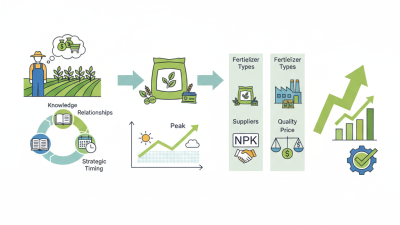
2026 Top Wholesale Fertilizer Suppliers for Global Buyers?
Finding reliable wholesale fertilizer suppliers is crucial for global agriculture. According to Dr. Emily Green, an expert in agricultural supply chains, "Quality fertilizers from trusted suppliers can significantly enhance crop yields." Her insights underline the importance of choosing the right suppliers in today's competitive market.
The year 2026 presents unique challenges for global buyers. As demand for fertilizers increases, so does the need for trustworthy suppliers. It is vital to identify providers that ensure quality and sustainability. Dr. Green emphasizes that relationships with wholesale fertilizer suppliers are essential. They help farmers meet their production goals effectively.
Navigating through numerous suppliers can be daunting. Buyers often face issues with quality assurance and reliability. Many suppliers do not meet the necessary standards. This raises ethical concerns regarding product safety. Researching potential wholesale fertilizer suppliers can mitigate risks. It ensures farmers receive inputs that contribute to responsible farming practices.
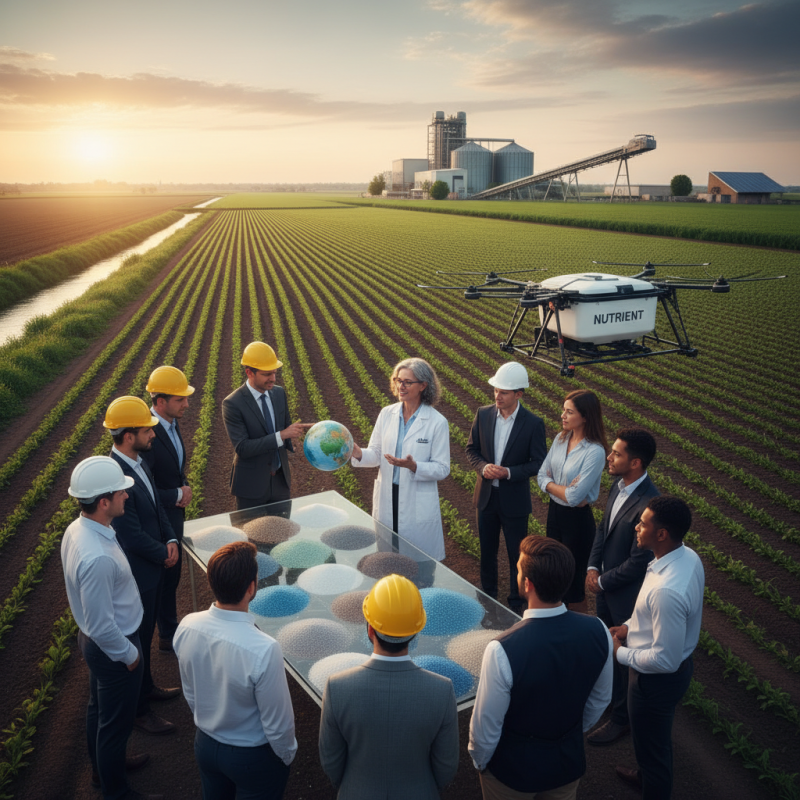
2026 Global Fertilizer Market Overview: Trends and Growth Projections
The global fertilizer market is poised for significant changes in 2026. Driven by rising food demand, innovative agricultural practices are improving fertilizer efficiency. Farmers are increasingly adopting precision farming techniques, tailoring nutrients to specific crop needs. This trend reflects a growing awareness of sustainability in agriculture, where fertilizers play a crucial role.
Market projections indicate a steady growth in fertilizer consumption. Factors such as population growth and dietary shifts contribute to this increase. However, supply chain challenges remain a concern. Shipping disruptions and raw material shortages can impact availability. Buyers should stay informed about these volatile market dynamics to make sound purchasing decisions.
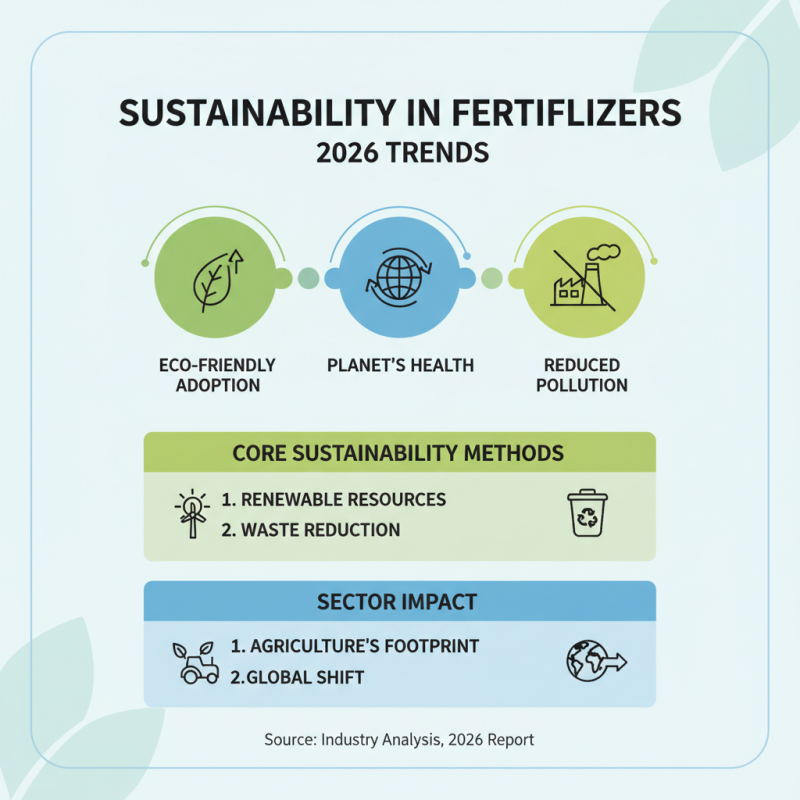
Sustainability remains a key theme in the industry. While traditional fertilizers are effective, organic alternatives are gaining traction. Farmers are exploring eco-friendly options that maintain soil health. Balancing productivity and environmental impact is critical. As the market evolves, ongoing education and adaptation are necessary for success.
Key Factors Influencing Fertilizer Demand Among Global Buyers in 2026
In 2026, global buyers will face significant challenges in the fertilizer market. Demand is influenced by factors such as crop yield improvements, climate change, and economic conditions. According to industry reports, global fertilizer consumption is projected to reach 200 million tons, highlighting the increasing need for efficient agricultural practices.
Climate change impacts crop production, leading buyers to seek resilient fertilizers. Changes in precipitation and temperature affect soil health. Consequently, the demand for fertilizers that enhance nutrient availability will rise. Research indicates a shift toward organic fertilizers, driven by consumer preferences for sustainable farming.
Tips: Monitor local agricultural trends. Understanding regional needs is crucial for buyers. Engage in diverse supplier networks to enhance resilience. Adaptation can ensure access to quality products amid evolving conditions.
Additionally, economic indicators like commodity prices play a significant role in influencing fertilizer purchasing decisions. Fluctuations in prices can drastically affect farmer budgets and influence their choices. Staying informed about market trends is essential for making educated buying decisions, especially as the industry evolves rapidly.
2026 Top Wholesale Fertilizer Suppliers for Global Buyers
| Supplier Region |
Estimated Volume (MT) |
Main Fertilizer Types |
Sustainability Practices |
Tech Innovations |
| North America |
1,200,000 |
NPK, Urea |
Organic sourcing, Reduced emissions |
Precision agriculture technology |
| Europe |
900,000 |
Potash, Ammonium Nitrate |
Circular economy, Bio-fertilizers |
Data analytics for crop management |
| Asia |
1,500,000 |
DAP, Urea |
Sustainable sourcing, Reduced water use |
Smart irrigation systems |
| South America |
800,000 |
NPK, Calcium Nitrate |
Minimized chemical use |
Automation in distribution |
Top Wholesale Fertilizer Suppliers: Market Share and Performance Metrics
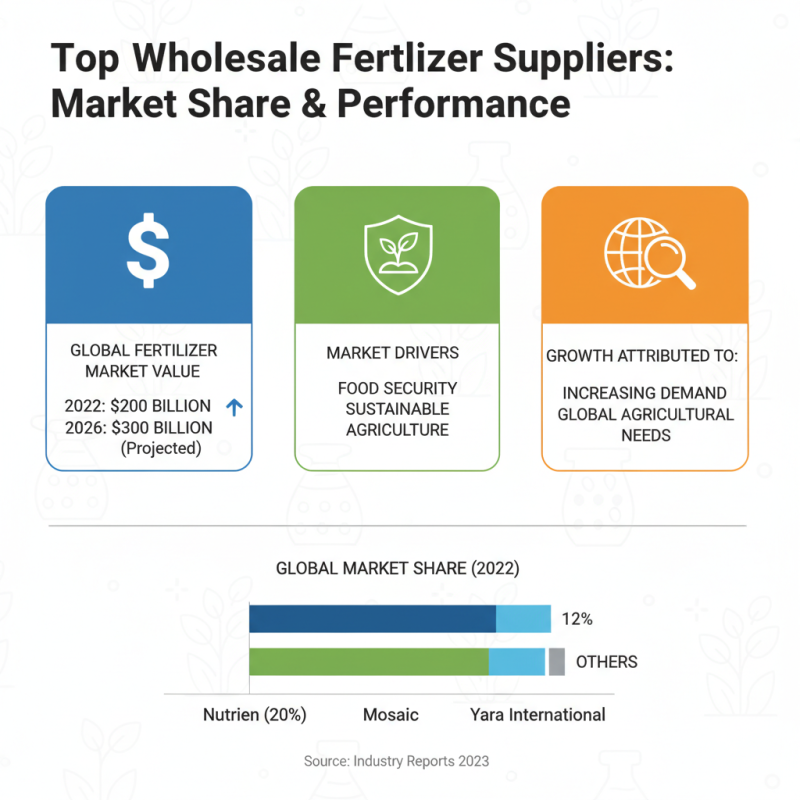
The global fertilizer market is crucial for ensuring food security and sustainable agriculture. Recent reports indicate that the global fertilizer market was valued at approximately $200 billion in 2022, with expectations of reaching $300 billion by 2026. This growth underscores the increasing demand for quality fertilizers among farmers and agricultural enterprises worldwide.
Market share varies significantly among major suppliers. For instance, leading companies account for about 40% of global production. Yet, smaller suppliers often struggle to compete, limited by resources and technology. Data from an industry report highlights that around 30% of suppliers may not meet the stringent quality benchmarks set by regulatory bodies. This discrepancy poses challenges for global buyers seeking reliable partners.
Performance metrics are essential for evaluating suppliers. Key metrics include production capacity, distribution network efficiency, and sustainability practices. Research shows that suppliers focusing on innovation and efficient production processes tend to outperform their counterparts. Additionally, more than 50% of buyers prioritize suppliers that demonstrate a commitment to environmentally friendly practices. However, some suppliers still rely on traditional methods, which may hinder their market competitiveness.
Technological Innovations Shaping the Future of Fertilizer Supply Chains
Technological innovations are transforming fertilizer supply chains significantly. Advanced data analytics help suppliers predict demand patterns. This leads to a more efficient
inventory management system. When suppliers use real-time data, they can minimize waste and optimize delivery routes.
Automation in manufacturing processes is another game changer. Smart machinery speeds up production while reducing human error.
Automated systems ensure consistent quality in fertilizers, which is crucial for farmers. They rely on this consistency for crop yield and soil health.
Tips: Always ask your suppliers about their technology use. It’s crucial to understand how they manage quality control. Regular audits can ensure that
suppliers maintain high standards. Moreover, keeping an eye on new technologies can help buyers stay competitive in the market.
The adoption of digital supply chain solutions is also vital. Blockchain technology enhances transparency, allowing tracking of products from manufacturer to end-user. This
traceability builds trust among buyers and can lead to better business relationships. A more transparent supply chain can ultimately benefit everyone involved.