Top Transformer Substation Solutions for Global Buyers 2026?
The global energy landscape is rapidly evolving, and Transformer Substations are at the forefront of this change. According to a recent report by Market Research Future, the Transformer Substation market is projected to grow at a CAGR of 6.5% through 2026. This growth is driven by increasing demand for reliable energy infrastructure and the need for modernization. As cities expand and renewable energy sources increase, efficient Transformer Substations are essential for effective power distribution.
Investment in Transformer Substation technology is crucial for meeting the demands of smart grids. As outlined by the International Energy Agency (IEA), up to 25% of energy can be lost during transmission and distribution if substations are outdated. Therefore, buyers must prioritize innovative solutions that enhance reliability, efficiency, and safety. New technologies such as automated monitoring systems and advanced materials are becoming essential features in modern Transformer Substations.
Companies face challenges in making these investments. Various factors, including budget constraints and regulatory requirements, may pose difficulties. Additionally, the rapid pace of technological change means that reliance on existing solutions may lead to missed opportunities. Navigating these complexities requires expertise, and global buyers must stay well-informed about the latest trends and advancements in the Transformer Substation sector.
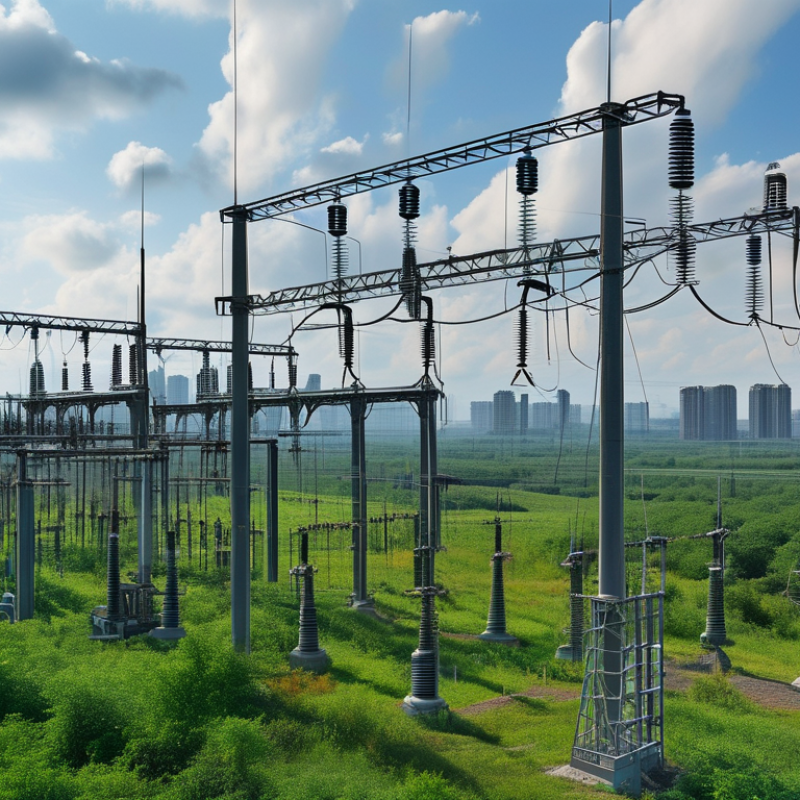
Top Global Trends in Transformer Substations: Market Analysis for 2026
The transformer substation market is undergoing significant changes as we approach 2026. A recent report from the International Energy Agency projects that the demand for efficient energy solutions will surge. This trend is driven mainly by increasing energy consumption and the need for sustainable practices globally. In fact, transformer substations are becoming more vital as countries aim to modernize their grids and adopt renewable energy sources.
Growing concerns about climate change are prompting innovation in substation technology. According to a market analysis by Research and Markets, the global transformer substation market value is expected to reach $XX billion by 2026. This reflects a compound annual growth rate of approximately X% from 2021 to 2026. Moreover, digitalization is transforming operations. Smart substations are enhancing reliability and efficiency, yet many installations still struggle with integrating these technologies.
Investments in infrastructure are uneven across regions. While North America and Europe lead in advanced solutions, developing regions face challenges like financing and technology transfer. Some substations continue to rely on outdated practices. They lack adequate maintenance and modernization strategies. This poses risks as grid reliability is critical to modern society. Failure to innovate can result in increased downtime and inefficiencies, emphasizing the need for ongoing investment and strategic planning in this crucial sector.
Emerging Technologies: Innovations in Transformer Substation Design
The evolution of transformer substation design reflects emerging technologies that enhance efficiency. Smart monitoring systems, for example, offer real-time data analytics for enhanced decision-making. According to a recent industry report, integrating Internet of Things (IoT) capabilities can increase maintenance efficiency by up to 30%. This allows for predictive analysis, reducing unexpected downtime.
Renewable energy integration is another innovation driving the transformation of substations. With the rise of solar and wind power, substations now require advanced management systems. These systems optimize energy flow, improving grid stability. A report from the International Energy Agency indicates that the global shift towards renewables necessitates a 45% increase in transformer capacity by 2030, highlighting the urgency for innovative designs.
However, challenges remain. For instance, the high initial costs of implementing these technologies can deter adoption, especially in developing regions. There is also the pressing need for skilled personnel to manage advanced systems. A balance must be achieved between innovation and practical implementation. The future of transformer substations lies in addressing these hurdles while embracing new technological advancements.
Regional Insights: Key Markets for Transformer Substation Solutions in 2026
The transformer substation market is evolving rapidly, especially in emerging regions. Key markets are projected to show significant growth by 2026. For instance, Asia-Pacific is expected to dominate, capturing over 40% of the global market share. Rapid urbanization and industrial expansion are driving investments in energy infrastructure. Countries like India and China are focusing on upgrading their power grids, leading to increased demand for reliable transformer solutions.
In North America, regulatory pressures and a push for renewable energy are propelling innovation in transformer technology. By 2026, the U.S. market for transformer substations is projected to grow at a CAGR of around 6.5%. Yet, challenges remain, such as the need for skilled professionals to manage advanced systems. Data indicates that nearly 20% of current projects face delays due to workforce shortages and technical issues.
Europe is also witnessing a shift with significant investments in smart grid technology. By 2026, many European nations aim to reduce carbon emissions through upgraded substations. While this shift presents opportunities, it also raises questions. Are existing infrastructures ready to support these advancements? The need for robust solutions that ensure efficiency and reliability is more pressing than ever.
Cost Efficiency Strategies: Balancing Investment and Performance in Substations
In the evolving landscape of transformer substations, achieving cost efficiency is crucial for global buyers. Data from a recent report indicates that operational costs can consume up to 70% of a substation's lifecycle expenses. This highlights the importance of not only investing in initial infrastructure but also implementing strategies to balance long-term performance and sustainability.
One effective approach is adopting smart grid technologies. Integrating real-time monitoring systems helps detect inefficiencies early. This can decrease maintenance costs by about 15-20%. However, many facilities lack resources or expertise to fully leverage these advancements. Investing in staff training is as vital as the technology itself. Without the right knowledge, even the best systems may underperform.
Moreover, optimizing energy usage is essential. Variable frequency drives (VFDs) can improve performance by reducing energy waste. Reports show that implementing VFDs can lead to energy savings of up to 30%. Yet, companies often overlook the need for regular audits to gauge performance. Neglecting this aspect can lead to missed opportunities for further improvements and increased costs in the long run. Balancing these strategies is a challenging but necessary task for achieving true cost efficiency in substations.
Sustainability Practices: Eco-Friendly Solutions for Future Transformer Substations
The push for eco-friendly practices in transformer substations is more critical than ever. As global demand for energy rises, so does the need for sustainable solutions. Many substations now incorporate green technologies such as renewable energy sources, energy-efficient equipment, and innovative waste management systems. Using solar panels or wind turbines can drastically reduce a substation's carbon footprint.
However, the implementation of these practices often faces challenges. Initial costs for eco-friendly technologies can be daunting. Additionally, operators may struggle with integrating new systems with older infrastructure. These issues highlight the need for careful planning and assessment. Collaboration among engineers, environmental scientists, and policymakers is essential to develop effective solutions that are both sustainable and economically viable.
Maintaining transparency in sustainability practices is also crucial. Clear reporting and stakeholder engagement can help identify areas for improvement. For instance, monitoring energy usage and emissions can guide future investments. Developing a culture of accountability within organizations fosters a commitment to ongoing environmental responsibility. Embracing these challenges ultimately leads to a more sustainable future for transformer substations worldwide.
Top Transformer Substation Solutions for Global Buyers 2026
| Solution Type | Sustainability Features | Estimated Cost (USD) | Implementation Time (Months) | Energy Efficiency Rating |
| Compact Substation | Reduced footprint, recyclable materials | $500,000 | 12 | A+ |
| Solar-Powered Substation | Solar panels, zero emissions | $1,200,000 | 18 | A++ |
| Smart Grid Substation | Integration with IoT, minimized losses | $800,000 | 15 | A+ |
| Oil-Free Transformer | Environmentally safe, better maintenance | $300,000 | 10 | A |
| Modular Substation | Quick installation, scalability options | $600,000 | 14 | A+ |