What Are the Uses and Benefits of Stainless Steel Wire Mesh?
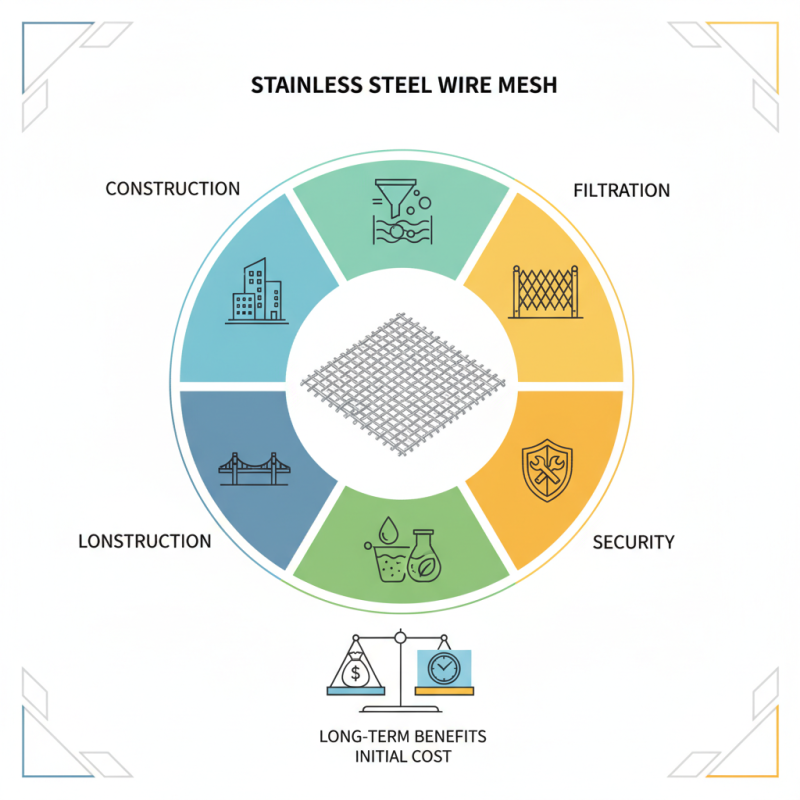
stainless steel wire mesh is a versatile material with numerous applications. It consists of fine wires woven together, creating a strong yet flexible grid. This mesh is resistant to corrosion, making it suitable for various environments. It is commonly used in construction, filtration, and security.
In construction, stainless steel wire mesh provides structural support. It is often found in concrete reinforcement, ensuring durability. In filtration, it serves to separate particles from liquids or gases. Its fine weave offers precision in various industries, from beverage production to pharmaceuticals.
Security applications also benefit from stainless steel wire mesh. It can be used for fencing and partitions, offering visibility while maintaining strength. The material's longevity ensures it withstands harsh conditions. Although its higher cost might deter some, its long-term benefits are significant. Considering these aspects, stainless steel wire mesh proves to be a practical choice in many fields.
Understanding Stainless Steel Wire Mesh: Material Composition and Types
Stainless steel wire mesh is widely used in various industries, known for its durability and resistance to corrosion. Understanding its composition and types is crucial for selecting the right mesh for specific applications. Generally, stainless steel wire mesh is made from alloys that include chromium, nickel, and steel. Chromium contributes to its rust resistance. Reports suggest that about 70% of stainless steel production utilizes these alloys, reinforcing the material's global prevalence.
There are several types of stainless steel wire mesh, each suited for different environments. For instance, 304 stainless steel is common for general applications, while 316 offers enhanced resistance to chemicals and saltwater. This makes 316 ideal for marine environments. Surprisingly, not all stainless steel types are equally effective, often leading to unexpected failures in harsh settings. In fact, industry studies indicate that improper selection can result in up to 30% increased maintenance costs.
The mesh's structure is another important factor. Standard opening sizes range from 1/4 inch to as fine as 100 microns. This versatility allows it to be used in filtration, safety fencing, and architectural features. However, the complexity of choosing the right opening size can lead to inefficiencies. Users sometimes find themselves stuck between improvements in strength versus necessary flow rates in filtration applications. This highlights the importance of careful consideration in material selection based on experiential data and specific needs.
Key Applications of Stainless Steel Wire Mesh Across Various Industries
Stainless steel wire mesh is widely used in various industries due to its durability and resistance to corrosion. In food processing, for example, it serves as filtration equipment. This ensures that contaminants are kept out while allowing liquids to flow freely. In construction, it is used for reinforcing concrete. The strength of stainless steel helps maintain structural integrity, making buildings safer.
The medical industry also relies on stainless steel wire mesh. It is often used in surgical instruments and as a protective barrier. The non-reactive nature of stainless steel ensures safety in sensitive environments. Additionally, it serves in landscaping and garden projects, where it provides support for plants.
Tip: When selecting stainless steel wire mesh, consider the intended application. Different grades of stainless steel have varying levels of corrosion resistance. Ensure that you choose the right one to avoid premature failure.
Not all wire mesh is equal. Some may rust under certain conditions. Regular inspection is essential to ensure optimal performance. Always weigh the pros and cons before making a decision.
Health and Safety Benefits of Using Stainless Steel Wire Mesh Products
Stainless steel wire mesh has significant health and safety benefits. Its non-corrosive nature makes it ideal for various applications. This mesh is resistant to rust and oxidation, ensuring longer life and durability. In medical and food industries, these qualities are crucial. They help maintain hygiene and prevent contamination.
Using stainless steel wire mesh can reduce the risk of accidents. The strong, durable material offers protection in various environments. It is often used in safety barriers and protective equipment. This helps keep hazardous areas secure. Regular inspections are essential to ensure the mesh remains intact and effective.
**Tip:** When installing stainless steel wire mesh, ensure it is properly secured to prevent accidents.
Choosing the right gauge is vital. A proper gauge offers the right balance of strength and flexibility. Depending on the application, consider how it will interact with other materials. In some cases, a thicker mesh may be necessary for added security.
**Tip:** Always review installation guidelines and best practices to maximize safety.
Reflecting on choices is important. Sometimes, the initial decision to use stainless steel wire mesh may seem daunting. Yet, its benefits often outweigh concerns. By carefully considering the right applications, users can enhance their safety protocols effectively.
What Are the Uses and Benefits of Stainless Steel Wire Mesh? | Aspect | Details |
| Corrosion Resistance | Stainless steel wire mesh is highly resistant to rust and corrosion, making it suitable for outdoor use and in damp environments. |
| Durability | Offers long-lasting strength and is robust against wear and tear, ensuring longevity of applications. |
| Versatility | Used in various industries including construction, filtration, food processing, and agriculture. |
| Health & Safety | Non-toxic and safe for use in food and medical applications, ensuring hygiene and safety standards. |
| Aesthetic Appeal | Provides a sleek and modern look, suitable for architectural and design applications. |
| Maintenance | Requires minimal maintenance compared to other materials, reducing long-term costs. |
Strength and Durability: Performance Metrics of Stainless Steel Wire Mesh
Stainless steel wire mesh is renowned for its strength and durability. This material is resistant to corrosion, which makes it ideal for various environments. It performs well in extreme temperatures, maintaining its integrity where others might fail. The tensile strength of stainless steel is impressive. It can withstand considerable pulls and stresses without losing its form.
However, it’s important to acknowledge some limitations. While stainless steel wire mesh is strong, incorrect installation can lead to weaknesses. Over time, wear and tear may expose vulnerabilities in the mesh. Regular inspections are essential to ensure its effectiveness. Additionally, the cost of stainless steel can be higher than other materials. This may pose challenges for budget-sensitive projects.
Overall, the performance metrics of stainless steel wire mesh speak volumes about its capabilities. Its adaptability makes it versatile for construction, filtration, and security applications. Yet, users must consider maintenance and proper usage to maximize its benefits effectively. Ignoring these factors can lead to suboptimal performance.
Cost-Effectiveness and Longevity: Economic Benefits of Stainless Steel Wire Mesh
Stainless steel wire mesh stands out for its cost-effectiveness and long lifespan. This mesh is made from durable materials. It provides excellent value for its price. Many industries, like construction and agriculture, prefer it due to its reliability. The initial cost is higher than some alternatives, but it pays off over time. Replacing cheap, low-quality options often leads to frequent repairs.
The longevity of stainless steel wire mesh means fewer replacements. It withstands corrosion and extreme temperatures. This makes it suitable for various environments. A well-maintained mesh can last for decades, which saves money. Investing in high-quality materials is wise. The reduced need for replacement enhances overall savings.
Tips: Regular checks can help maintain the mesh's quality. Clean it periodically to prevent buildup. Consulting experts can provide tailored maintenance instructions. These small efforts contribute to its longevity.
Economic Benefits of Stainless Steel Wire Mesh