How to Use Green Fertilizer for Healthier Plants?
In recent years, the significance of green fertilizer has grown dramatically in the agricultural sector. A report by the Organic Trade Association noted that the green fertilizer market is projected to reach $6.5 billion by 2025. The trend highlights the increasing interest among farmers in sustainable practices. Dr. Jane Thompson, a recognized expert in agronomy, emphasizes, "Using green fertilizer not only enhances soil health but also promotes environmental sustainability."
Studies reveal that green fertilizers, like cover crops and legumes, improve nutrient availability and soil structure. They offer a natural alternative to synthetic fertilizers. As soil health declines globally, the adoption of green fertilizers becomes crucial. A study from the National Institute of Food and Agriculture found that sustainable fertilizer options can enhance crop yields by up to 30%. However, the transition can be challenging. Farmers may need guidance on implementation practices.
Despite the data supporting green fertilizers, some skeptics remain. Concerns about effectiveness and availability linger. Farmers must weigh these factors carefully. The journey toward healthier plants often requires a shift in mindset and practices, raising questions about traditional methods. The commitment to green fertilizer is not just a trend; it’s a step toward a more sustainable future.
What is Green Fertilizer and Its Benefits for Plants
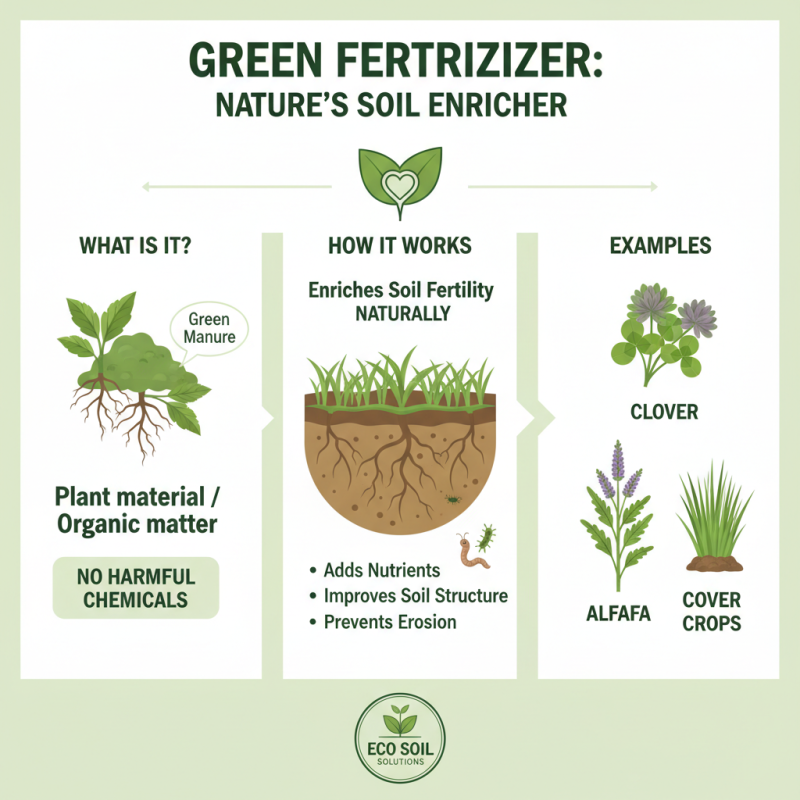
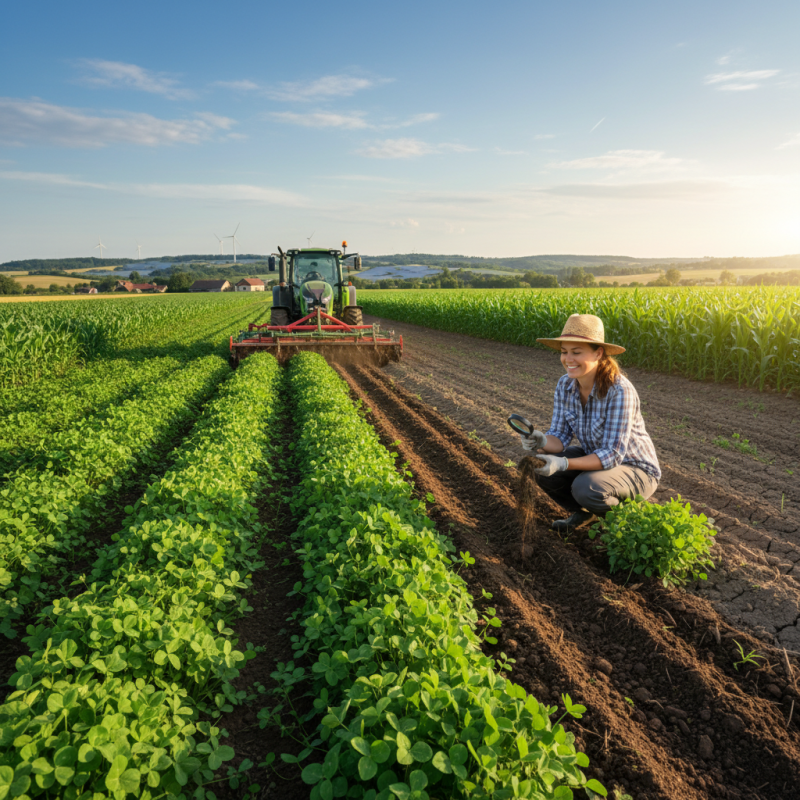
Green fertilizer, also known as green manure, is made from plant material or organic matter. It enriches the soil without harmful chemicals. Examples include cover crops like clover or alfalfa. These plants improve soil fertility naturally.
Using green fertilizer has multiple benefits. It enhances soil structure, promoting better water retention. The nutrients from decomposing plants boost microbial activity. This activity is crucial for healthy root development. However, it might take time to see results. Patience is necessary when transitioning to organic methods.
Many gardeners overlook the importance of timing. Planting green manure in the right season matters. A late planting reduces effectiveness. Additionally, care must be taken not to plant too thickly. Overcrowded plants may compete for resources. This can lead to disappointing outcomes. Regularly assessing soil health is crucial for successful gardening.
Types of Green Fertilizers and Their Nutrient Profiles
Green fertilizers play a crucial role in enriching soil health, promoting thriving plant growth. Various types of green fertilizers exist. Legumes, for instance, are known for fixing nitrogen in the soil. According to research, legumes can improve nitrogen levels by up to 80% in certain soils. This natural process benefits subsequent crops in the rotation.
Another popular option is cover crops like clover or vetch. These plants can prevent soil erosion and enhance organic matter content. A study reveals that these crops can increase soil organic carbon by 1.5 to 2.5 tons per hectare annually. Yet, improper management can lead to unexpected competition for nutrients between main crops and green fertilizers. Farmers must closely monitor these dynamics to optimize benefits.
In terms of nutrient profiles, some green fertilizers offer a balanced mix of nitrogen, phosphorus, and potassium. However, reliance solely on green fertilizers may not meet all nutrient needs. It is essential to analyze soil conditions regularly and adjust accordingly. Ignoring soil tests may result in deficiencies that hinder plant health. Adopting a diverse approach is always preferable for achieving optimal growth.
Green Fertilizers Nutrient Profiles
This chart illustrates the nutrient profiles of various types of green fertilizers. The primary nutrients measured are Nitrogen (N), Phosphorus (P), and Potassium (K). Each type of green fertilizer contributes differently to the nutrient composition of the soil.
How to Apply Green Fertilizer for Optimal Growth
Applying green fertilizer can significantly boost plant health. To start, choose the right type. Composts, cover crops, and manure are popular. Use any that suit your plants’ needs. Mix green fertilizer into your soil. This encourages beneficial microbes. These tiny helpers break down nutrients. They make them easier for your plants to absorb.
Timing is crucial. Apply green fertilizer during the growing season. This ensures your plants get nutrients when they need them most. Pay attention to your plants’ responses. Some might thrive, while others may not. Adjust your technique if you notice any signs of nutrient deficiency. Over-application can lead to poor growth or even stress.
Finally, consider your soil’s moisture level. Adequate water is essential for nutrient uptake. If the soil is too dry, nutrients won’t reach the roots efficiently. Evaluate the environment regularly. External factors like temperature and light can also impact growth. Be patient and give your plants time to adapt. Each plant’s response is different, and learning from these variations is key to successful gardening.
Best Practices for Incorporating Green Fertilizer in Soil
Incorporating green fertilizer into your soil can significantly enhance plant health. Studies show that organic matter in green fertilizers improves soil structure. This change increases nutrient retention and promotes water absorption. A report indicated that soil enriched with green fertilizers can boost microbial activity by up to 30%. This fosters a thriving ecosystem crucial for plant growth.
To effectively incorporate green fertilizers, start by assessing your soil's current health. Many gardeners overlook this step. Conducting a soil test can reveal deficiencies that green fertilizers can address. After identifying these needs, incorporate the green fertilizer during the planting season. This timing maximizes nutrient availability. Use it in tandem with traditional soil amendments for a balanced approach. Aim for about 50% green fertilizer mixed with compost or aged manure.
Remember that using too much green fertilizer can backfire. Excess nitrogen can lead to rapid plant growth but weaken stems. This may increase vulnerability to diseases and pests. It's essential to find a balance. Monitor your plants' reactions after application. Adjust the amounts based on their performance over time. This iterative process can lead to healthier plants and a more resilient garden.
Common Mistakes to Avoid When Using Green Fertilizer
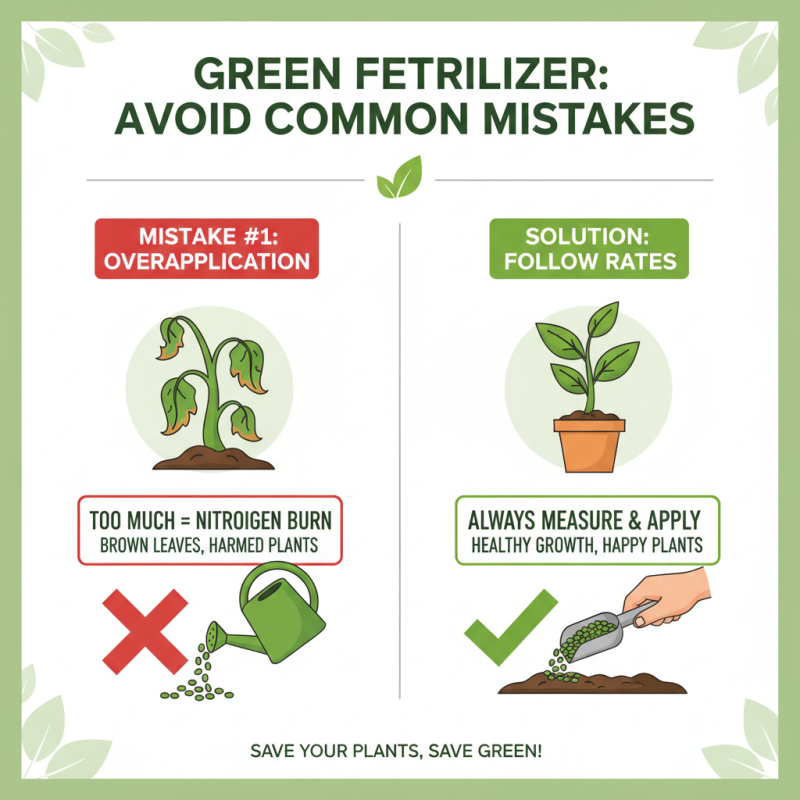
When using green fertilizer, many gardeners make avoidable mistakes. One common error is overapplication. Too much fertilizer can harm plants. It can lead to nitrogen burn, causing leaf edges to turn brown. Always follow recommended application rates.
Another mistake lies in improper timing. Applying green fertilizer at the wrong time can limit benefits. For instance, if used during a drought, plants may not absorb nutrients well. Understanding your plants’ growth cycles is crucial. Pay attention to their specific needs.
Neglecting soil health is also an issue. It’s vital to test your soil regularly. Without testing, you may misjudge nutrient levels. This could result in an imbalance that stunts plant growth. Regular checks provide insight into the right type of green fertilizer and its quantity. Adjust based on these findings for healthier plants.