What Are Water Soluble Fertilizers and How Do They Benefit Plants?
Water soluble fertilizers have emerged as a crucial component in modern agriculture, enhancing nutrient uptake efficiency and promoting healthier plant growth. According to a report by the International Fertilizer Association, the market for water soluble fertilizers is projected to grow significantly, driven by increasing demand for high-quality crops and sustainable farming practices. Fertilizers that dissolve completely in water facilitate easy application through irrigation systems, ensuring that plants have immediate access to essential nutrients. This efficiency is particularly beneficial in regions where soil quality is poor or nutrient availability is limited.
Experts in the field highlight the advantages of water soluble fertilizers in terms of their fast-acting nature and versatility. Dr. John Smith, a renowned agronomist and a prominent figure in the fertilizer industry, emphasizes the importance of these fertilizers by stating, "Water soluble fertilizers not only provide plants with necessary nutrients promptly but also help in achieving better yields in a shorter period." As the agricultural sector faces challenges such as climate change and soil degradation, the role of water soluble fertilizers becomes increasingly vital, promoting efficient resource use and contributing to sustainable agricultural practices worldwide. Adopting these fertilizers allows farmers to obtain optimum results, directly impacting food security and environmental sustainability.

Definition of Water Soluble Fertilizers and Their Composition
Water soluble fertilizers are a type of fertilizer that dissolves easily in water, making them particularly effective for fast nutrient absorption by plants. These fertilizers are generally composed of essential macronutrients such as nitrogen, phosphorus, and potassium (N-P-K), along with micronutrients like iron, manganese, and zinc. These components are combined in specific ratios to cater to the varying nutritional needs of different plants, allowing for tailored feeding that promotes vigorous growth and blooms.
When using water soluble fertilizers, it is crucial to follow the recommended dilution rates to avoid over-fertilization, which can harm your plants. Additionally, these fertilizers are often applied through irrigation systems, making them ideal for both home garden use and large-scale agricultural practices. Regular use can enhance plant health by providing a steady supply of nutrients, especially in nutrient-poor soils or during critical growth stages.
Tips: Always mix the fertilizer thoroughly to ensure even distribution of nutrients. Monitor your plants' responses closely after application, adjusting the concentration as needed based on their growth patterns. Remember, environmental factors like temperature and humidity can impact nutrient uptake, so be prepared to modify your watering schedule accordingly.
What Are Water Soluble Fertilizers and How Do They Benefit Plants?
| Nutrient Component |
Benefit to Plants |
Common Usage |
| Nitrogen (N) |
Promotes leaf and stem growth |
Used in early growth stages |
| Phosphorus (P) |
Supports root development and flowering |
Common in flowering stages |
| Potassium (K) |
Enhances overall plant health and resistance |
Used during fruiting cycles |
| Calcium (Ca) |
Crucial for cell wall structure and growth |
Effective in preventing blossom end rot |
| Magnesium (Mg) |
Aids in photosynthesis |
Utilized in nutrient solutions for leafy greens |
| Sulfur (S) |
Enhances protein synthesis |
Beneficial for plants needing high protein content |
The Mechanism of How Water Soluble Fertilizers Work in Soil
Water soluble fertilizers play a crucial role in enhancing plant growth by providing essential nutrients in a readily available form. When applied to the soil, these fertilizers dissolve quickly in water, allowing the nutrients to be absorbed through the roots. This mechanism ensures that plants receive a constant supply of nutrients during the critical stages of their growth, particularly when they need them the most.
In soil, the dissolved nutrients interact with the soil solution and are taken up by plant roots through a process called diffusion. The primary nutrients—such as nitrogen, phosphorus, and potassium—are crucial for various plant functions, including photosynthesis, energy transfer, and overall cellular processes. Moreover, water soluble fertilizers can improve soil structure and microbial activity, further promoting nutrient availability. By efficiently delivering nutrients directly to plants, these fertilizers help in reducing the likelihood of nutrient leaching and ensure optimal growth and yield in a sustainable manner.
Benefits of Water Soluble Fertilizers for Plant Growth and Development
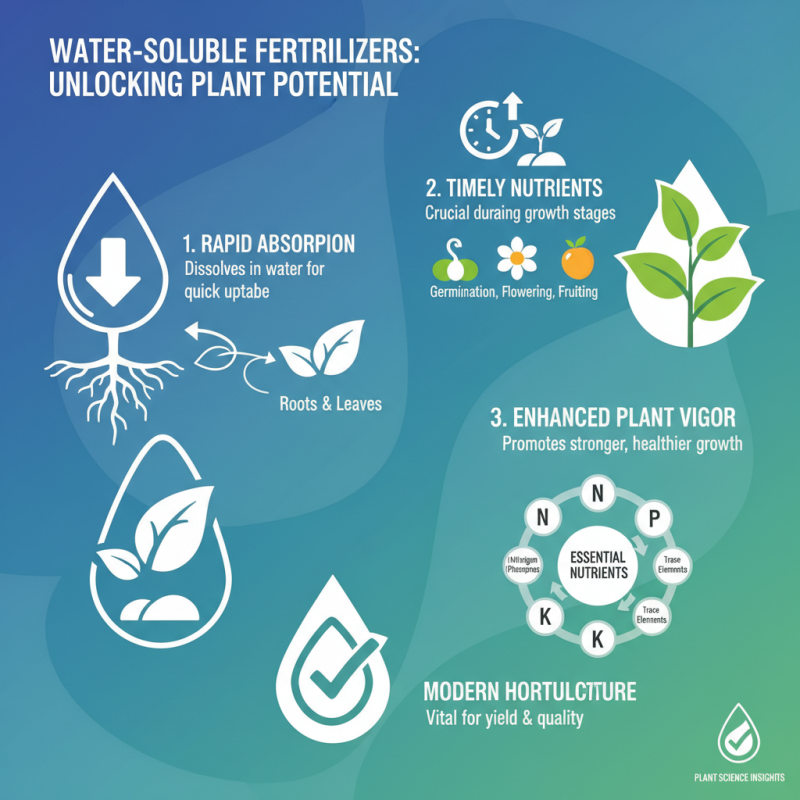
Water soluble fertilizers offer numerous benefits for plant growth and development, making them a vital component of modern horticulture and agriculture. These fertilizers dissolve readily in water, allowing for quick absorption by plants through their roots and even their leaves. This rapid uptake ensures that plants receive essential nutrients in a timely manner, which is particularly important during critical growth stages such as germination, flowering, and fruiting. By providing a readily available source of nitrogen, phosphorus, potassium, and trace elements, water soluble fertilizers can significantly enhance plant vigor and overall health.
Additionally, the application of water soluble fertilizers can aid in improving soil nutrient levels and promote optimal pH balance. This is particularly beneficial in poorly drained soils where nutrient availability may be limited. By using these fertilizers during irrigation, gardeners and farmers can ensure that their plants receive consistent nourishment, which fosters stronger root systems and enhances resistance to pests and diseases. Ultimately, water soluble fertilizers contribute to improved crop yields and higher quality produce, making them an indispensable tool for anyone looking to optimize plant growth and development.
Application Methods for Water Soluble Fertilizers in Gardening
When it comes to using water soluble fertilizers in gardening, several application methods can maximize their effectiveness. One popular method is the foliar spray, where a diluted solution of the fertilizer is sprayed directly onto the leaves of plants. This allows for rapid absorption through the leaf surfaces, providing an immediate nutrient boost. This technique is especially useful for addressing nutrient deficiencies, as plants can quickly utilize the nutrients through their foliage.
Another effective application method is incorporating water soluble fertilizers into irrigation systems, often referred to as fertigation. This approach ensures that the nutrients are delivered directly to the root zone, where they are most needed. By mixing the fertilizer with irrigation water, gardeners can provide a consistent supply of nutrients, which can lead to improved growth and yield. This method is particularly beneficial for large gardens or agricultural fields, as it reduces the manual labor involved in fertilizing and ensures even distribution across plants.
Environmental Impact and Safety Considerations of Water Soluble Fertilizers
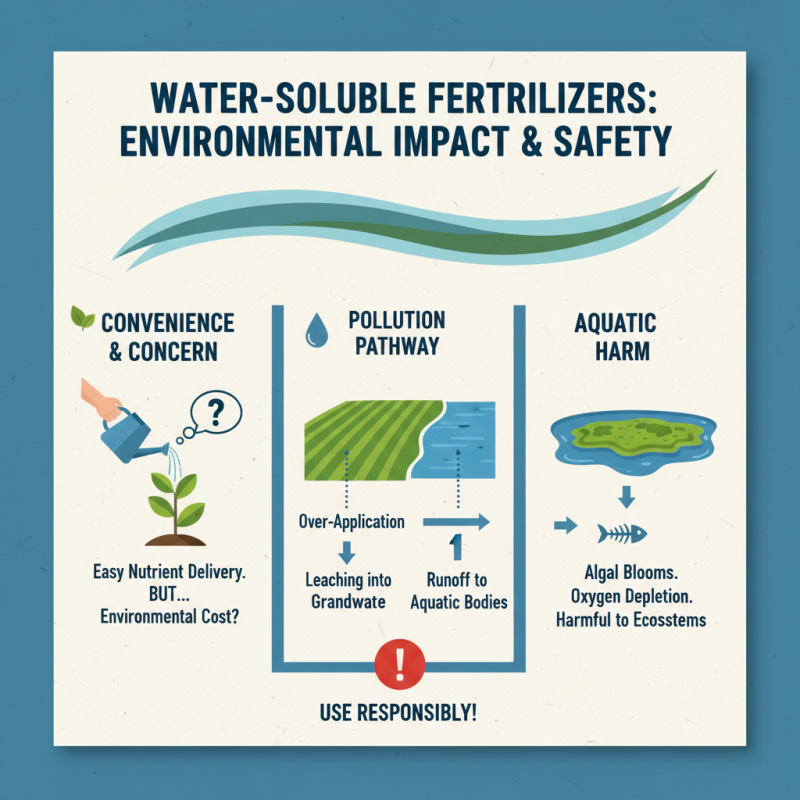
Water soluble fertilizers (WSFs) offer a convenient way to deliver essential nutrients to plants, but their environmental impact and safety considerations must not be overlooked. One of the main concerns with WSFs is their potential contribution to water pollution. When these fertilizers are overapplied, excess nutrients can leach into groundwater and runoff into nearby water bodies, leading to eutrophication. This process depletes oxygen levels in water, harming aquatic ecosystems and leading to the proliferation of harmful algal blooms.
Furthermore, the safety of WSFs extends beyond their impact on the environment. The use of certain chemical fertilizers can pose risks during handling and application. It is crucial for users to follow proper guidelines to minimize exposure to potentially harmful substances. Sustainable practices, such as adhering to recommended application rates and considering slow-release options, can help mitigate risks associated with WSFs. Additionally, environmentally friendly alternatives, like organic fertilizers, may offer a balance between delivering nutrients while reducing adverse effects on both the environment and human health.