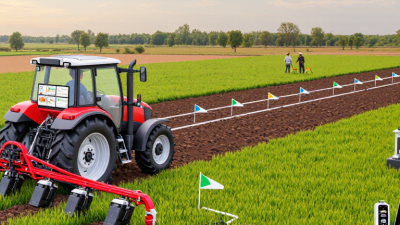
Who Are the Top Fertilizer Distributors in China?
China’s fertilizer market is vast, but size alone does not make a distributor a leader. A dependable fertilizer distributor must connect manufacturers with farms, retailers, and regional wholesalers. It must also manage storage, product information, and seasonal deliveries. A delayed shipment can matter when farmers are preparing fields and local demand rises quickly. Small details count.
Patrick Heffer, a fertilizer market specialist associated with the International Fertilizer Association, has emphasized the importance of reliable fertilizer availability for crop production. That perspective helps frame this guide. The strongest distributors are not simply the companies with the broadest product lists. Their reach, service consistency, regional networks, and ability to communicate clearly all deserve attention. A warehouse near a transport hub may help, but it does not prove reliable service everywhere.
This overview examines companies often discussed among China’s leading fertilizer distributors and explains what readers should compare. It considers distribution coverage, product range, customer support, and practical delivery capacity. Company rankings can vary by year and measurement, so treat any list as a starting point—not a final verdict. Ask about local stock, delivery schedules, and product documentation. Then compare the answers. The picture may be less tidy than a ranking suggests.
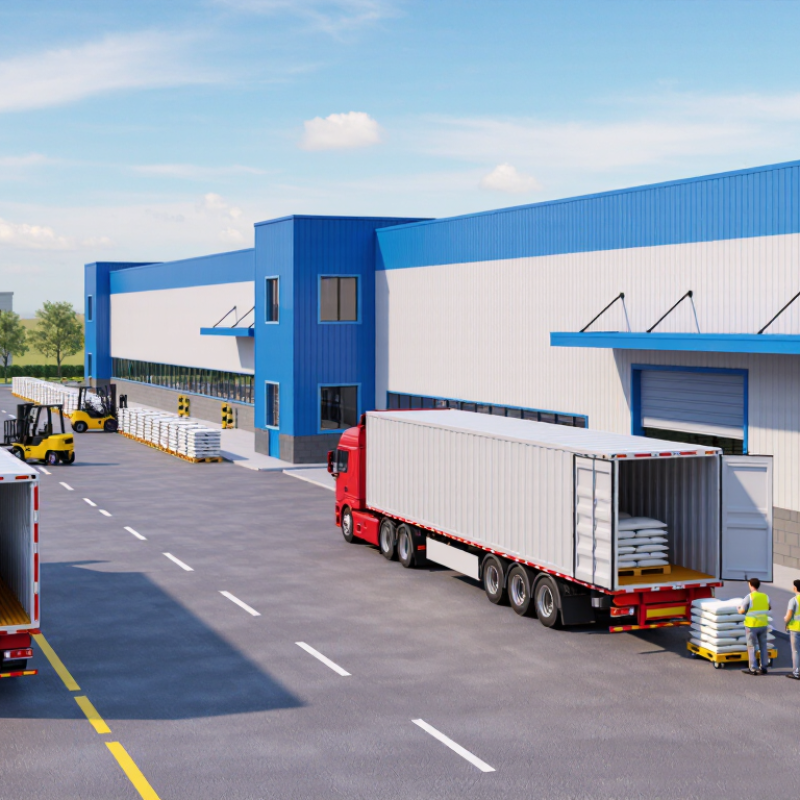
China’s Fertilizer Market: About 52 Million Tonnes Consumed in 2023
China’s fertilizer market consumed about 52 million tonnes in 2023, according to the estimate cited in this market overview. That is a substantial volume. It points to steady demand from a large and varied agricultural sector, rather than a single pattern of use. Farms growing rice, wheat, and vegetables may need different products and delivery schedules.
The figure is useful, but it is not perfectly neat. “Consumption” can be counted in different ways, and total product weight does not show how much nitrogen, phosphate, or potash it contains. Weather, crop prices, soil conditions, and planting decisions can also shift demand between seasons. Readers should treat 52 million tonnes as a broad indicator, not a precise measure of every farm’s needs.
At this scale, distributors matter because fertilizer must reach regional warehouses and farms close to planting time. Storage quality, reliable transport, and clear product information can affect whether supplies arrive in usable condition. A delay of several days may matter during a short application window. Even so, volume alone does not reveal how well the market serves farmers; local availability and product suitability count, too.
How China’s Top Fertilizer Distributors Are Ranked by Sales and Reach
China’s leading fertilizer distributors are best ranked by sales and market reach, not by visibility alone. Annual sales show purchasing power, while regional coverage reveals operational strength. A distributor serving 20 provinces may outperform a larger seller concentrated in three farming regions.
A reliable ranking should examine several measurable signals. These include yearly fertilizer volume, warehouse capacity, dealer coverage, delivery speed, and repeat orders from farms. Sales records matter, but they can be distorted by seasonal stockpiling.
Reach is clearer when measured through active outlets, county-level service teams, and delivery routes. A distributor with 800 local dealers can respond faster during spring planting than one with distant storage.
Field experience also exposes gaps in public rankings. Some companies report impressive revenue but provide limited after-sales support. Others operate quietly through strong rural networks and appear smaller than they are. Data may arrive late, especially across fragmented regional markets. That weakness deserves attention. Rankings should therefore combine audited financial information, verified distribution points, and interviews with agricultural buyers. Customer complaints, product traceability, and technical guidance should also influence the result. The strongest distributors are not simply the biggest sellers. They maintain dependable stock, explain application rates clearly, and reach farms when timing matters. Metrics can miss that human detail.
Sinofert and China National Agricultural Means of Production: National Leaders
Who Are the Top Fertilizer Distributors in China?
China’s leading fertilizer distributors operate through large national supply networks. They connect manufacturers, regional warehouses, cooperatives, and commercial farms. Their strength is not only product volume. It is also reliable delivery across different provinces and cropping zones. National agricultural supply organizations often support this structure with storage facilities, procurement systems, and local service teams.
From field experience, strong distributors usually provide more than bags of fertilizer. They explain nutrient ratios, application timing, and storage requirements. They may also adjust recommendations for rice paddies, vegetable fields, orchards, and dry farmland. Buyers should check product registration, batch records, safety documents, and transport conditions. These details can reveal whether a supplier follows professional standards. Still, no distributor serves every farm perfectly. Regional response times may vary, and technical advice can sometimes feel too general.
Tips: Compare delivery coverage, technical support, and traceability before choosing a national supplier. Ask for recent test reports and clear invoices. Keep records of soil tests and application rates. Small details matter. A practical concern remains: lower prices may hide weaker service or delayed delivery. Farmers should judge long-term reliability, not only the first quotation.
Yuntianhua and Xinyangfeng: Regional Strength in Phosphate and Potash
China’s leading fertilizer distributors are often defined by regional reach, warehouse capacity, and crop knowledge. In the southwest, a large Yunnan-based supplier has built strong expertise in phosphate fertilizers. Its location near major phosphate resources supports steady access to raw materials. It also serves rice, corn, tobacco, and specialty-crop growers across mountainous provinces.
The business model is practical. Local depots reduce delivery delays on difficult roads. Technical teams can recommend phosphate grades for acidic soils and changing crop needs. The same regional network can distribute potash, helping farmers manage potassium shortages during key growth stages. Results vary, however. Weather, transport costs, and seasonal demand can quickly change margins.
In central China, another major fertilizer group has developed a broad distribution network around phosphate products. Its strength comes from serving large farming areas with predictable supply and competitive logistics. Dealers often value flexible packaging, nearby storage, and advice that fits local planting calendars. That sounds simple, but execution is uneven. Some smaller dealers still depend on outdated soil data and make recommendations by habit. Reliable distributors should verify nutrient analysis, explain application rates, and keep records from field visits. They should also disclose product limitations instead of promising dramatic yield increases. Regional strength matters, but trust is built shipment by shipment.
China Fertilizer Market: Nutrient Content of Common Grades
A product-level comparison of representative fertilizer grades highlights the nutrient profiles behind phosphate- and potash-focused supply.
Values show representative guaranteed nutrient percentages by weight: nitrogen (N), phosphate (P₂O₅), and potash (K₂O). Actual product specifications can vary.
Cooperatives and Digital Platforms: Reaching China’s 200 Million Farmers
China’s fertilizer distribution depends on more than large wholesalers. Cooperatives connect suppliers with villages, where members share purchasing, storage, and practical advice. A local coordinator may know which fields flood after heavy rain and when rice planting begins. That knowledge can make delivery more useful than a broad regional sales plan.
Digital platforms extend this network across a vast farming population. Farmers can compare nutrient options, check application guidance, and arrange orders by phone, sometimes without traveling to a county market. For distributors, digital records can help forecast demand and coordinate deliveries before peak planting periods. The human link still matters. A message on a screen cannot inspect a field.
Reaching China’s 200 million farmers is not simply a matter of adding users to an app. Some growers have limited connectivity, while others prefer advice from cooperative staff they already trust. Soil conditions and crop needs also vary sharply between regions, so generic recommendations can miss the mark. Platforms and cooperatives work best when local agronomists verify guidance and farmers can ask follow-up questions. That remains uneven. A delayed delivery or confusing instruction can quickly weaken trust.
Who Are the Top Fertilizer Distributors in China? — Cooperatives and Digital Platforms: Reaching China’s 200 Million Farmers
A non-branded overview of major distribution channels and verified indicators of market scale. The figures below provide national context; they are not fertilizer-channel market shares or rankings.
| Distribution channel | Typical role in the supply chain | Verified scale indicator | What the indicator means | Practical reach and considerations |
|---|---|---|---|---|
| Farmer cooperatives | Aggregate member demand, coordinate bulk purchasing, and may connect fertilizer supply with crop-production services and technical advice. | About 2.2 million registered farmer cooperatives (2023) | This is the national number of registered cooperatives, not the number that distribute fertilizer or their combined sales. | Can organize purchases and support for member farms, particularly where individual farms have limited buying power. Activity and service coverage vary by cooperative. |
| County and township agricultural-input wholesalers and retailers | Move products from upstream suppliers into local markets and provide nearby ordering, delivery, and agronomic support. | No single nationally comparable public count of fertilizer outlets is presented here. | Outlet numbers and business coverage are reported inconsistently across localities; a national ranking based on outlet counts would not be comparable. | Local presence can support last-mile access, especially for farmers who prefer in-person advice or smaller, more frequent purchases. |
| Digital commerce and agricultural-service platforms | Enable online product discovery, ordering, payment, and—in some cases—links to local delivery or farm services. | Rural online retail sales reached RMB 2.49 trillion in 2023 | This figure covers rural online retail across product categories; it is not fertilizer-specific revenue. | Digital ordering can widen access to product information and purchasing options. Fulfilment, local service, and connectivity remain important to actual delivery. |
| Internet-enabled rural customers | Provide the potential user base for online agricultural commerce, digital advice, and remote ordering. | 326 million rural internet users; 66.5% rural internet penetration (December 2023) | These are internet-access indicators, not counts of farmers using digital platforms to buy fertilizer. | Digital reach is substantial, but access and adoption are not uniform across regions, age groups, and farm types. |
| National fertilizer demand context | Helps describe the size of the agricultural input market served by physical and digital channels. | 50.3 million metric tons of chemical fertilizer application in 2023, measured on a pure-nutrient basis | This is a national use statistic—not distributor sales, product tonnage, or a measure of any single channel’s share. | Demand differs by crop, region, season, and nutrient type, so national consumption should not be read as uniform local demand. |
Sources: Ministry of Agriculture and Rural Affairs, farmer-cooperative registration updates; Ministry of Commerce, 2023 rural e-commerce data; China Internet Network Information Center, 53rd Statistical Report on China’s Internet Development (January 2024); National Bureau of Statistics of China, 2023 Statistical Communiqué. Figures describe national context and should not be interpreted as channel-specific fertilizer sales or market shares.
Related Posts
-
How to Improve Fertilizer Application for Crop Growth?
-
Top 10 Water Soluble Fertilizers in China You Should Know?
-
Top 10 Urea Suppliers: Key Factors to Consider for Your Sourcing Needs
-
How to Start Organic Fertilizer Production for Global Markets?
-
10 Effective Tips for Using Green Fertilizer in Your Garden?
-
2026 Top Tips to Buy Fertilizer Online Effectively?