
2026 Best Wholesale Fertilizer Suppliers for Global Buyers
Global agriculture is entering 2026 with tighter margins and more demanding procurement decisions. Fertilizer remains essential, but supply reliability now matters as much as price. The International Fertilizer Association’s Medium-Term Fertilizer Outlook 2024–2028 projects continued growth in global nutrient demand, reaching more than 200 million tonnes by 2028. That growth will increase pressure on producers, traders, ports, and regional distributors.
The Food and Agriculture Organization also highlights fertilizer access as a major factor in productivity, food security, and resilient food systems. Charlotte Hebebrand, former Director General of the International Fertilizer Association, stated, “Fertilizer is a key component of food security.” Her observation explains why wholesale fertilizer sourcing cannot depend on a low quotation alone. Product analysis, nutrient consistency, shipment records, and responsible handling deserve equal attention.
This guide reviews leading wholesale fertilizer suppliers for global buyers in 2026. It considers production capacity, export experience, port connectivity, certifications, packaging options, and after-sales support. It also examines practical details, such as whether a supplier can deliver granular urea in consistent bags, provide laboratory certificates, and manage seasonal delays.
No ranking is flawless. Regional freight costs can change quickly. Currency movements can alter the real purchase price. A supplier that performs well in Brazil may not suit a buyer in Kenya or Southeast Asia. Therefore, buyers should treat this list as a research starting point, not a final purchasing decision. Independent testing and contract review remain necessary. That caution may sound obvious. It is often overlooked.
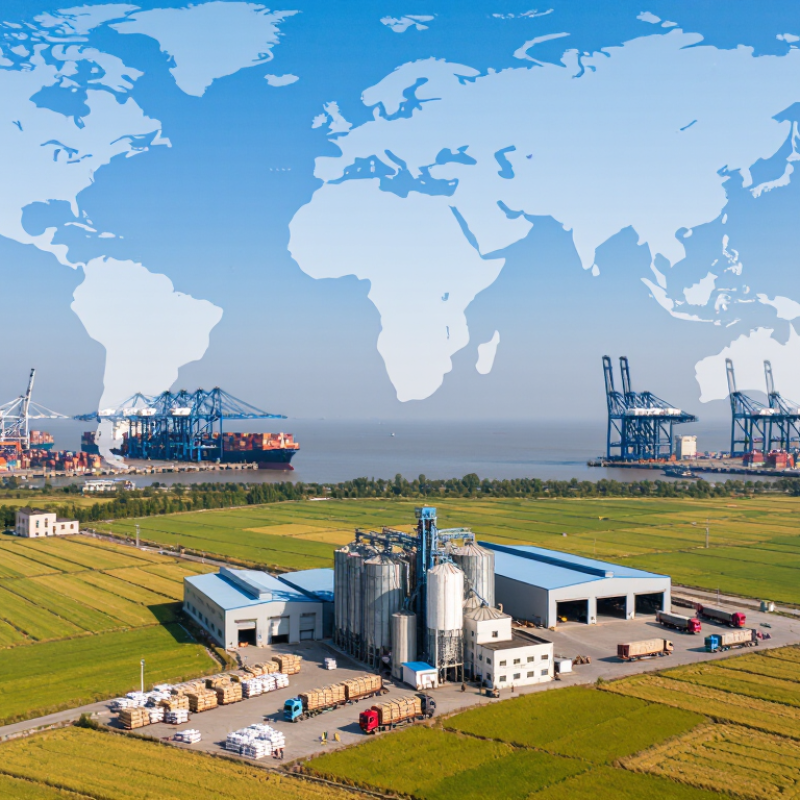
Types of Wholesale Fertilizer Suppliers Serving Global Buyers in 2026
Global buyers in 2026 can choose from several types of wholesale fertilizer suppliers. Direct manufacturers usually offer competitive pricing, stable production, and customized nutrient formulas. They suit large farms, importers, and agricultural distributors with predictable demand.
Regional distributors provide faster delivery and local market knowledge. They often maintain warehouses near major ports or farming areas. This can reduce inland transport delays. However, their prices may include extra handling costs. Cooperative suppliers and agricultural associations can also serve buyers seeking bulk orders from organized producers. Their strengths include traceability and closer contact with farming communities.
Specialty blenders focus on water-soluble, organic, micronutrient, or slow-release fertilizers. These suppliers may support private labeling and crop-specific formulations. Buyers should request a current certificate of analysis, safety data sheet, product specifications, and batch records. Reliable suppliers explain nutrient percentages clearly and identify the production date. They also discuss packaging, moisture protection, minimum order quantities, and shipping terms before payment.
Samples matter.
A practical buyer should test performance in local soil conditions. A product that performs well in one climate may disappoint elsewhere. This is an easy point to overlook. Supplier websites can also appear more professional than their quality systems really are. Independent laboratory checks and reference calls remain valuable. I would not rely on a low quotation alone, especially when delivery schedules, customs documents, or product consistency remain unclear.
2026 Best Wholesale Fertilizer Suppliers for Global Buyers
Types of Wholesale Fertilizer Suppliers Serving Global Buyers in 2026
| Wholesale Supplier Type | Typical Fertilizer Portfolio | Common Nutrient Grades or Materials | Typical Order Scale | Indicative Lead Time | Standard Export Documents | Best Fit for Global Buyers | Key Evaluation Criteria |
|---|---|---|---|---|---|---|---|
| Primary Nutrient Fertilizer Producers | Urea Ammonium sulfate Ammonium nitrate Phosphate fertilizers Potash fertilizers | Urea 46-0-0; ammonium sulfate 21-0-0 plus sulfur; diammonium phosphate 18-46-0; monoammonium phosphate 11-52-0; muriate of potash 0-0-60 | Usually 500–5,000 metric tons per shipment; container or bulk vessel options may be available | Approximately 3–10 weeks, depending on production schedules, port capacity, and vessel availability | Commercial invoice, packing list, certificate of origin, bill of lading, certificate of analysis, safety data sheet, and phytosanitary or customs documents when required | Importers, national distributors, agricultural cooperatives, and large plantation operators requiring full-container or bulk supply | Declared nutrient content, granule size, moisture, caking resistance, production capacity, port access, and compliance with destination-country fertilizer regulations |
| Compound and NPK Fertilizer Manufacturers | Granular NPK NP fertilizers NK fertilizers Custom blends | Examples include NPK 15-15-15, NPK 20-10-10, NPK 12-12-17, and other crop- or soil-specific formulas | Commonly 100–1,000 metric tons per formula; lower quantities may be possible for stock items | Approximately 2–8 weeks; custom formulations generally require additional approval and production time | Commercial invoice, packing list, certificate of analysis, product specification, certificate of origin, bill of lading, and safety data sheet | Regional distributors and growers seeking balanced nutrient programs for cereals, vegetables, fruit, oilseeds, or general field crops | Formula consistency, nutrient uniformity, chloride level, granule durability, compatibility with local soil conditions, and ability to produce private-label packaging without displaying brand data |
| Water-Soluble Fertilizer Suppliers | Fully soluble NPK Calcium nitrate Potassium nitrate Micronutrient salts | Water-soluble NPK grades, calcium nitrate, potassium nitrate, magnesium sulfate, chelated iron, zinc sulfate, and boron products | Typically 10–200 metric tons; often packed in 20–25 kg bags or larger moisture-resistant packaging | Approximately 2–6 weeks for standard products; custom blends may take longer | Commercial invoice, packing list, certificate of analysis, solubility specification, safety data sheet, certificate of origin, and transport documents | Greenhouse operators, fertigation users, hydroponic farms, nurseries, and high-value horticultural producers | Solubility at relevant temperatures, insoluble matter, electrical conductivity, chloride and sodium levels, micronutrient chelation, packaging moisture protection, and batch traceability |
| Specialty and Controlled-Release Fertilizer Suppliers | Coated urea Stabilized nitrogen Slow-release fertilizers Water-soluble specialties | Polymer-coated nitrogen, sulfur-coated urea, nitrification-inhibited fertilizers, urease-inhibited fertilizers, and controlled-release NPK | Usually 20–500 metric tons, depending on product configuration and coating technology | Approximately 4–12 weeks because product availability, coating specifications, and registration requirements can affect production | Commercial invoice, packing list, certificate of analysis, technical data sheet, safety data sheet, certificate of origin, bill of lading, and efficacy or release-profile information when available | Commercial horticulture, turf management, landscaping, golf courses, nurseries, and growers seeking fewer applications or improved nitrogen-use efficiency | Release duration, coating percentage, temperature sensitivity, nutrient-release testing, storage stability, environmental claims, and approval for the intended use |
| Organic and Organomineral Fertilizer Suppliers | Compost-based products Manure-based fertilizers Plant-based meals Organomineral granules | Compost, poultry-manure fertilizer, bone meal, blood meal, oilseed meal, humic substances, and organic-mineral nutrient mixtures | Commonly 20–500 metric tons; minimum quantities vary considerably because of local raw-material supply | Approximately 3–10 weeks; quarantine, sanitation, and import approval can extend the schedule | Commercial invoice, packing list, certificate of analysis, certificate of origin, safety data sheet, sanitary or veterinary certificate where applicable, and phytosanitary documents when required | Organic farming distributors, soil-improvement retailers, regenerative agriculture projects, and growers targeting certified production systems | Declared organic matter, total and available nutrients, moisture, pathogen and heavy-metal limits, feedstock traceability, odor control, certification status, and destination-country import rules |
| Micronutrient and Foliar Fertilizer Suppliers | Zinc Iron Manganese Boron Molybdenum | Zinc sulfate, zinc oxide, iron chelates, manganese sulfate, boric acid, sodium molybdate, and liquid or soluble foliar formulations | Typically 5–100 metric tons for commodity micronutrients; specialty chelates may be ordered in smaller quantities | Approximately 2–8 weeks, subject to formulation, packaging, and regulatory documentation | Commercial invoice, packing list, certificate of analysis, safety data sheet, product specification, certificate of origin, and local registration documents when required | Crop-input distributors, seed-treatment businesses, horticultural suppliers, and growers addressing confirmed or suspected micronutrient deficiencies | Elemental concentration, chelation percentage, pH, solubility, compatibility with tank mixes, contamination limits, application instructions, and local product registration |
| Liquid Fertilizer and Solution Suppliers | UAN solutions Liquid NPK Ammonium polyphosphate Liquid micronutrients | Urea-ammonium nitrate solutions such as 28% or 32% nitrogen, ammonium polyphosphate solutions, and customized liquid nutrient mixtures | Usually 100–2,000 metric tons; shipped in isotanks, flexitanks, tank containers, or bulk vessels | Approximately 3–9 weeks, depending on dangerous-goods classification, tank availability, and port infrastructure | Commercial invoice, packing list, certificate of analysis, safety data sheet, certificate of origin, bill of lading, dangerous-goods declaration when applicable, and tank-cleanliness documentation | Large farms, liquid fertilizer blenders, precision-agriculture contractors, and distributors with suitable storage tanks and application equipment | Density, nitrogen or nutrient concentration, crystallization temperature, corrosion properties, storage requirements, tank compatibility, and transport classification |
| Blending and Contract-Packing Suppliers | Bulk blends Bagged fertilizers Custom formulations Repacking services | Physical blends of nitrogen, phosphate, potash, sulfur, magnesium, and micronutrient materials in buyer-specified ratios | Often 50–1,000 metric tons; smaller trial quantities may be available for standard blends | Approximately 2–7 weeks after formula confirmation and packaging approval | Commercial invoice, packing list, certificate of analysis, certificate of origin, bill of lading, product specification, safety data sheet, and packaging or label compliance records | Importers and distributors that need market-specific grades, multiple bag sizes, multilingual labels, or regionally adapted nutrient mixtures | Blend uniformity, segregation during transport, dust control, packaging quality, label accuracy, lot coding, quality-control testing, and ability to meet destination-market labeling rules |
| Agricultural Commodity Export Traders | Multiple fertilizer categories Spot cargoes Containerized cargo Bulk cargo | Commodity fertilizers sourced from qualified producers, including urea, phosphate fertilizers, potash fertilizers, sulfur, and standard NPK grades | Commonly 500–20,000 metric tons for bulk transactions; containerized orders may be smaller | Approximately 2–10 weeks, influenced by origin, trade terms, vessel schedule, and port congestion | Commercial invoice, packing list, certificate of origin, certificate of analysis, bill of lading, safety data sheet, insurance certificate where applicable, and customs documents | Large importers seeking multiple origins, flexible shipment terms, consolidated procurement, or access to spot-market cargoes | Supplier verification, title to goods, cargo inspection, payment security, Incoterms, sanctions and compliance screening, shipment history, and independent quality inspection |
Note: Order quantities and lead times are indicative international-trade benchmarks for 2026 planning. Actual terms vary by fertilizer grade, origin, season, port, Incoterms, regulatory approvals, packaging, and destination-country import requirements. Buyers should verify nutrient specifications, certificates, safety documentation, and product registration before placing an order.
Related Posts
-

What is a Fertilizer Distributor and How Can They Benefit Your Business
-
Why Choose Green Fertilizer for Sustainable Farming?
-

How to Start Organic Fertilizer Production at Home?
-

Top Fertilizer Factory in China for Global Buyers Looking to Source?
-
How to Buy Fertilizer Online from Top China Suppliers?
-
Top Fertilizer Companies in China for Global Buyers?