7 Tips for Choosing Wholesale Fertilizer Suppliers
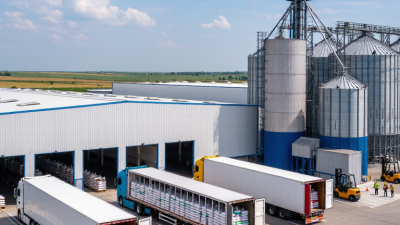
Choosing wholesale fertilizer suppliers is no longer a simple price comparison. Farmers and distributors now face unstable energy costs, shifting crop demand, tighter logistics, and changing product regulations. A cheaper quote may hide weaker nutrient analysis, inconsistent granules, or expensive delivery delays. That matters in real operations.
Industry data supports this caution. The International Fertilizer Association’s Medium-Term Fertilizer Outlook 2024–2028 describes a gradual recovery in global fertilizer demand, while also highlighting uncertainty across nitrogen, phosphate, and potash markets. The World Bank’s Commodity Markets Outlook has repeatedly shown how fertilizer prices can react sharply to energy costs and supply disruptions. These conditions make supplier selection a commercial decision, not merely a purchasing task.
Quality must be visible.
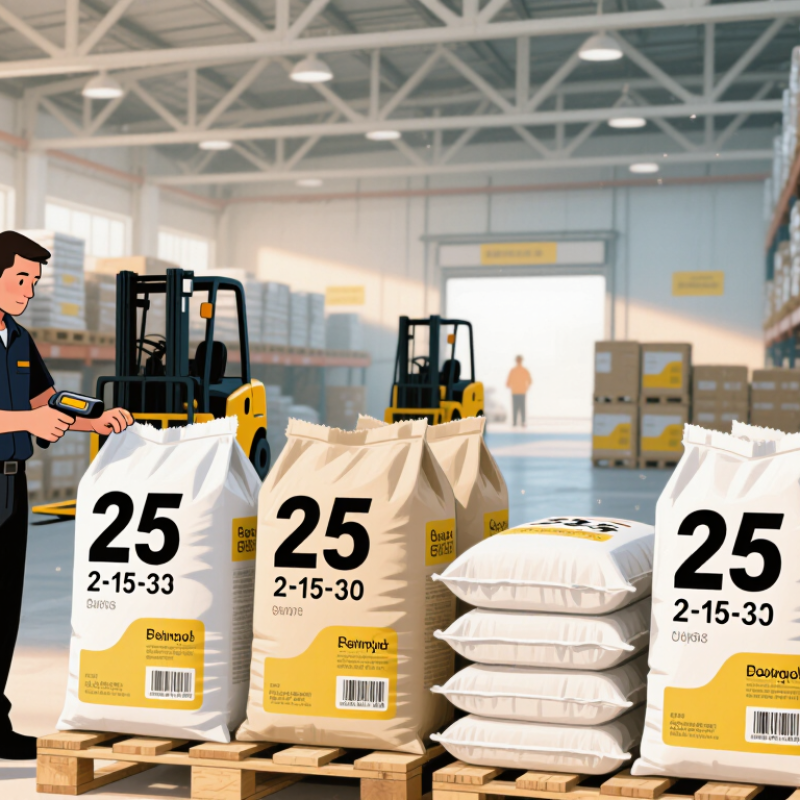
Reliable wholesale fertilizer suppliers should provide verifiable nutrient specifications, batch details, safety documentation, and clear origin information. A warehouse manager should be able to inspect sealed 25-kilogram bags, readable labels, and dry, damage-free pallets before accepting a shipment. That practical check can reveal problems that a polished website will not show.
This guide examines seven useful criteria, including product consistency, certifications, minimum order quantities, delivery capability, payment terms, technical support, and supplier reputation. It also considers communication during difficult moments. A supplier may perform well during normal seasons, then struggle when ports close or demand suddenly rises. No checklist removes every risk. Even experienced buyers can overlook storage conditions or assume that a familiar brand guarantees every batch. Careful verification remains essential when comparing wholesale fertilizer suppliers.
Define Your Fertilizer Requirements and Purchasing Goals
Before contacting wholesale fertilizer suppliers, define what your farm actually needs. Start with the crop, acreage, soil test, application window, and target yield. A vague request can produce a cheap product that performs poorly. Request the nutrient analysis, physical form, moisture level, particle size, and safety documentation. For blended products, check each nutrient percentage rather than trusting a general grade. We learned this after ordering material that bridged in the spreader. The price looked attractive. The labor cost was not.
Set purchasing goals that can be measured. Decide your acceptable cost per applied nutrient, minimum order, delivery date, storage capacity, and payment terms. Compare landed cost, not just the quoted price. A reliable supplier should explain batch consistency, testing procedures, traceability, and claim handling. Ask for recent certificates of analysis and a sample before committing to a full truckload. Keep records of lot numbers, field rates, weather, and crop response. These notes help separate supplier performance from application mistakes. Be realistic about forecasts. We once purchased too much before a wet season, tying up cash and warehouse space. That decision needs review. Requirements may change between spring planting and later top-dressing, so allow smaller, verified purchases.
Verify Supplier Credentials, Product Quality, and Compliance
Tip 1: Verify the supplier before discussing volume or price. Request current business registration, tax details, export permissions where applicable, and a named compliance contact. Check whether certificates match the legal entity and warehouse address. A polished PDF proves little. Call the issuing body when possible. I have learned that one mismatched address can delay an entire shipment. Check twice.
Tip 2: Test the fertilizer, not just the brochure. Ask for a recent certificate of analysis showing nutrient percentages, moisture, contaminants, batch number, and test date. Request an independent laboratory check on a pre-shipment sample. Compare the sealed sample with delivered goods. Inspect granule size, dust, color, and packaging seams. These details can reveal poor handling. They are not perfect evidence, but they create a defensible record. Keep photographs and retain samples.
Tip 3: Confirm compliance before signing a purchase agreement. Review product labels, safety data sheets, transport requirements, storage instructions, and import rules for your destination. A dependable supplier should explain documentation clearly, without avoiding difficult questions. Consider a warehouse visit or live video inspection. Ask for references from comparable agricultural buyers. My review process still misses details sometimes, especially during busy seasons. That is why a second reviewer should check every certificate, batch number, and delivery term. Reliability grows from repeated verification, not confident promises.
Compare Pricing, Minimum Orders, and Payment Terms
7 Tips for Choosing Wholesale Fertilizer Suppliers
Compare Pricing, Minimum Orders, and Payment Terms
A low quoted price can hide freight, inspection, insurance, or port charges. Compare the delivered cost per nutrient unit, not only the price per tonne. For example, calculate the cost of nitrogen, phosphate, or potash separately.
The World Bank Commodity Markets Outlook has repeatedly linked fertilizer prices with energy and shipping volatility. Request a validity period for every quotation. Prices can change quickly.
Check minimum order quantities against your storage capacity and seasonal demand. A large order may reduce the unit price but increase warehouse costs and product exposure to moisture. Ask for tiered pricing at 10, 25, and 50 tonnes. Also confirm packaging, loading dates, and replacement terms for damaged bags.
FAO’s World Food and Agriculture Statistical Yearbook reports global fertilizer use at roughly 190 million tonnes of nutrients annually. That scale does not remove local supply risks.
Payment terms deserve equal attention. Compare deposits, balance dates, documentary collections, and credit periods. A 30-day term may be more valuable than a small discount. Require clear product specifications, batch documents, and independent test results before final payment.
I have seen buyers focus too heavily on headline prices. That was a mistake. A small trial shipment can reveal delivery delays, caking, or inconsistent granulation before a larger commitment.
Record every comparison in one worksheet. Numbers expose weak assumptions.
Assess Delivery Capacity, Storage, and Supply Reliability
7 Tips for Choosing Wholesale Fertilizer Suppliers
Assess Delivery Capacity, Storage, and Supply Reliability
Tip 1: Confirm the supplier’s average monthly output before discussing price. A low quote means little if shipments arrive late. Ask for recent delivery records, not promises.
Tip 2: Check transport capacity during peak seasons. Reliable suppliers should explain truck access, loading schedules, and backup arrangements. Request realistic lead times for both normal and urgent orders.
Tip 3: Inspect storage conditions whenever possible. Fertilizer should remain dry, clearly labeled, and protected from damaged packaging. Poor ventilation or visible moisture deserves direct questions.
Tip 4: Ask how inventory is rotated. Older stock can lose quality when stored carelessly. Batch numbers, production dates, and inspection reports help verify product history.
Tip 5: Review supply reliability across several months. One successful shipment proves very little. Compare order accuracy, response time, and delays during busy periods.
Tip 6: Discuss contingency plans before signing. What happens after a port delay, vehicle breakdown, or sudden shortage? A supplier without a practical alternative may create avoidable risk.
Tip 7: Put service details in writing. Include delivery windows, storage responsibilities, quality checks, and communication procedures. I have seen buyers trust verbal assurances, then struggle when conditions changed.
A small trial order can reveal more than a polished presentation. Track arrival time, packaging condition, and warehouse handling. My own assessments are not always perfect, especially when seasonal demand shifts quickly. That is why independent checks and documented performance remain essential.
Review Customer Support, Contracts, and Long-Term Partnership Value
7 Tips for Choosing Wholesale Fertilizer Suppliers
Reliable customer support becomes visible when crops, weather, or delivery schedules change. Ask how quickly the supplier answers urgent questions. Request a named contact, not only a generic email address. Test the process with specific questions about nutrient analysis, storage, and application timing. Strong suppliers provide clear technical answers and useful documents, such as certificates of analysis and safety information. Keep records of every response. Small delays can become costly during planting season.
Read the contract before comparing prices. Check product grade, nutrient tolerances, packaging, delivery dates, payment terms, and inspection procedures. The agreement should explain what happens after damaged bags, incorrect analysis, or late shipments. Ask whether batch numbers support traceability. A vague replacement clause is a warning sign. It may look harmless at first. However, unclear language often creates arguments later. Have a qualified professional review important terms, especially for large or recurring purchases.
Long-term value involves more than dependable supply. Discuss seasonal forecasts, volume flexibility, soil testing support, and product trials. A useful supplier can help adjust orders when farm conditions change. Review performance after each season, including response times, product consistency, and claim handling. I have learned that one smooth delivery does not prove partnership quality. Some suppliers perform well until a problem appears. Leave room for honest criticism, and avoid committing to large volumes before smaller trials confirm quality and service.
Related Posts
-
2026 Best Wholesale Fertilizer Distributors Worldwide
-
What is the Role of Wholesale Fertilizer Suppliers?
-
2026 Best Fertilizer Shop Near Me for Global Buyers?
-

Top 10 Fertilizer Stores Near Me Which One Is Best?
-

How to Choose the Best Fertilizer Suppliers in 2026?
-
Top 10 Fertilizer Companies Worldwide for Global Buyers