How to Choose the Best Farm Fertilizer for Your Crops?
Choosing the right farm fertilizer is crucial for crop success. With increasing global food demand, effective fertilization practices are essential. According to the Food and Agriculture Organization (FAO), the need for fertilizers will rise significantly. By 2050, fertilizer consumption may increase by 30%.
Farm fertilizers provide nutrients that enhance plant growth. However, choosing the best one can be challenging. Different crops require different nutrient ratios. For instance, corn typically needs higher nitrogen, while beans benefit from phosphorus-rich fertilizers. This specificity highlights the importance of selecting the right product for each crop.
Farm fertilizer options vary widely, leading to potential confusion. Some farmers may opt for cheaper options, risking nutrient deficiencies. Others may rely heavily on synthetic fertilizers, impacting soil health. Balancing cost, crop needs, and environmental effects is vital for sustainable farming. Thus, understanding specific crop requirements and soil conditions is essential for selecting the optimal farm fertilizer.

Understanding Soil Nutrients and Their Role in Crop Growth
Understanding soil nutrients is crucial for optimal crop growth. Essential nutrients include nitrogen, phosphorus, and potassium. According to the Nutrient Management Handbook by the Soil Science Society, a balanced ratio of these nutrients can enhance crop yield significantly. For instance, nitrogen promotes leafy growth, while phosphorus aids root development. Potassium is vital for disease resistance and overall plant health.
Analyzing soil composition before planting can reveal nutrient deficiencies. Soil testing allows farmers to understand their fields better. A recent report from the International Fertilizer Association noted that nearly 45% of soils worldwide are not sufficiently nourished. This deficiency directly impacts crop productivity. It is essential to rectify such shortcomings by applying suitable fertilizers. Over-fertilization can lead to nutrient runoff and environmental harm.
Farmers should mix organic and synthetic fertilizers for best results. Organic options improve soil structure and promote microbial activity. A balanced approach often yields better results than relying solely on one type. However, it requires careful planning and knowledge of specific soil needs. Ignoring these factors can lead to wasted resources and diminished crop performance.
Types of Fertilizers: Organic vs. Inorganic Options
Choosing the right fertilizer for your crops is essential. There are two main types: organic and inorganic. Organic fertilizers come from natural sources. They improve soil health and promote biodiversity. Materials like compost, manure, and bone meal are popular choices. These options release nutrients slowly, supporting plants over time.
In contrast, inorganic fertilizers contain synthetic chemicals. They provide nutrients quickly and are often less expensive. However, they can lead to soil degradation if overused. Understanding the long-term effects is crucial. Always consider your crops' specific needs and the soil's condition.
When selecting a fertilizer, think about your farming practices. Try conducting a soil test. It can reveal nutrient deficiencies. Focus on sustainability. Using a mix of both types can be beneficial. Monitor how your crops respond. This will help you adjust your approach for future seasons.
Evaluating Soil Test Results for Tailored Fertilizer Choices
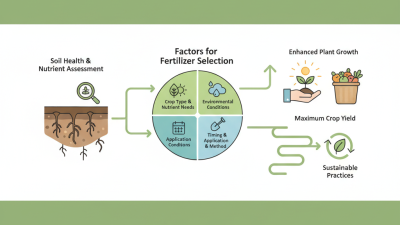
Evaluating soil test results is a crucial step in selecting the right fertilizer for your crops. Soil tests provide valuable insights into nutrient levels and pH balance. Understanding these results helps farmers make informed decisions. A balanced approach is necessary, focusing on deficiencies rather than applying fertilizers indiscriminately.
After receiving your soil test report, pay attention to the micronutrient levels. Sometimes, farmers overlook minor nutrients like manganese or zinc. This could lead to crop stress and reduced yield. It's essential to recognize that every field is unique. Soil type, topography, and previous crop history can influence nutrient requirements.
A common mistake is relying solely on generic recommendations. Tailoring fertilizer choices to specific soil conditions is vital. Encourage proper analysis to determine if the soil is too acidic or alkaline. Applying lime may be necessary to improve pH levels.
As agriculture evolves, so too should our methods. Keeping up with the latest research on soil health will lead to better crop outcomes. The importance of soil testing cannot be overstated. It is a fundamental practice that fosters effective nutrient management.
Application Rates: How Much Fertilizer Do Your Crops Need?
Determining the right application rates for fertilizer is crucial for crop production. Over-fertilization can lead to nutrient runoff, harming the environment and wasting resources. A study by the American Society of Agronomy highlights that optimal nitrogen application can increase yields significantly. For instance, corn typically requires about 150 to 200 pounds of nitrogen per acre for maximum growth.
However, it's not just about the quantity. Soil testing is essential to assess nutrient levels before application. According to research from the USDA, around 60% of farmers do not conduct soil tests regularly. This oversight can result in imbalanced nutrient application, which could negatively affect crop health and yields.
Understanding the specific needs of your crops is vital. Factors such as crop type, growth stage, and soil conditions should influence your application rates. For example, soybeans require less nitrogen than corn, often needing only 40-60 pounds per acre. Adjusting fertilizer rates according to these factors can lead to healthier crops and better overall yields.
Timing Your Fertilizer Application for Optimal Crop Yield
Timing your fertilizer application is crucial for maximizing crop yield. Understanding the growth stages of your crops can help you decide when to apply fertilizers. For instance, early growth stages may require different nutrients than the flowering stage. Soil testing can provide insights into nutrient needs at specific times. It’s important to consider weather conditions as well, as rain can wash away fertilizers if applied too late.
Applying fertilizers during peak nutrient uptake periods can lead to significant improvements in yield. For many crops, this is typically during their rapid growth phase. However, it’s essential to monitor both plant health and soil conditions. If the soil is overly saturated or dry, it may not absorb nutrients effectively. Adjusting your application based on these factors can enhance the effectiveness of fertilizers.
Yet, timing is not always perfect. Sometimes, unexpected weather patterns can disrupt application plans. Missing the optimal window may lead to reduced yields. It’s essential to learn from these experiences and adjust future strategies. Keeping detailed records of past applications and outcomes can aid in making better decisions over time.