Top 10 Southern Petrochemical Companies for Global Buyers?
In the dynamic world of southern petrochemical industries, companies play a crucial role in the global market. According to Dr. Emma Collins, a leading expert in petrochemical research, "Southern petrochemical firms are vital for sustainable development." This emphasizes the significance of these companies in meeting international demands while promoting environmental responsibility.
The southern petrochemical sector is characterized by strong competition and innovation. Leading companies are investing in advanced technologies to enhance production efficiency and reduce emissions. As the market grows, some firms face challenges related to sustainability and regulatory compliance. They must adapt to rising expectations in corporate responsibility.
Additionally, selecting reliable partners in this industry is essential for global buyers. Companies must consider their operational practices and social impacts. The evolution of the southern petrochemical landscape continues to demand reflection and adaptability from businesses, ensuring they meet new market standards.
Overview of Southern Petrochemical Industry Landscape
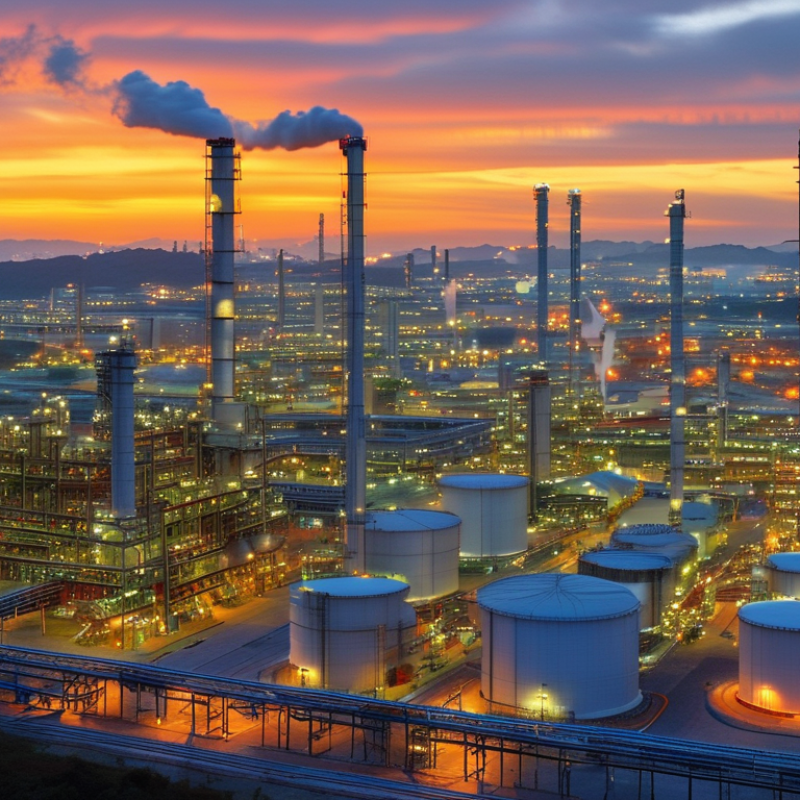
The Southern petrochemical industry is a crucial player in the global market. This region is known for its diverse array of products, including polymers, resins, and chemicals. According to a recent report from the American Chemical Society, the Southern U.S. accounts for over 30% of national petrochemical production. This statistic highlights the significance of the region in shaping both domestic and international supply chains.
Recent trends indicate growing investments in sustainable practices within the Southern petrochemical sector. Companies are moving towards greener technologies and waste reduction methods. Yet, challenges remain. Many facilities still rely heavily on non-renewable resources, often leading to environmental concerns. A study from the Gulf Coast Studies indicates that nearly 40% of the industry has not fully adopted these sustainable practices. This discrepancy showcases an area where continuous improvement is needed.
Market volatility is another key factor affecting the Southern petrochemical landscape. Fluctuating oil prices and changing regulations can create uncertainty. The ongoing evolution in consumer demand for eco-friendly products adds to this complexity. Balancing production efficiency with environmental responsibility requires a concerted effort from all stakeholders in the industry.
Criteria for Selecting Top Petrochemical Companies
Selecting top petrochemical companies requires careful consideration of multiple factors. Industry experience plays a crucial role. Companies with extensive operational history typically demonstrate consistent quality and reliability. Look for firms that have navigated market fluctuations successfully. This indicates resilience and adaptability, which are essential in a volatile industry.
Expertise is another key criterion. Companies that invest in research and development often bring innovative products to the market. These innovations can enhance efficiency and sustainability, beneficial for long-term partnerships. Pay attention to certifications and industry standards, as these speak volumes about a company’s commitment to quality.
Tips for buyers include checking online reviews and feedback from current clients. This can provide insight into a company's reputation. Engaging with industry forums can also help gather opinions from professionals. Trustworthy relationships are built on transparency, so ensure that the company is open about their processes and challenges. Keep in mind that no company is perfect; issues may arise. However, how a company addresses these challenges can be more telling than the issues themselves.
Highlights of Leading Southern Petrochemical Companies
The landscape of southern petrochemical companies is diverse, reflecting a mix of innovation and tradition. These companies focus on refining and producing various petrochemical products. Their operations play a crucial role in the global supply chain, making them a key player in the economy. Understanding their strengths can help global buyers make informed decisions.
Navigating this industry can be complex. Knowledge of a company’s production capabilities, sustainability practices, and compliance with regulations is vital. Buyers often benefit from researching the technological advancements implemented by these firms. A strong emphasis on eco-friendly practices is now a common trend. Global buyers may find that aligning with companies that prioritize sustainability can enhance their own credibility.
It’s important to consider factors beyond pricing. Quality and reliability of the products should be prioritized. Many southern petrochemical companies may have impressive portfolios but lack consistent delivery. Reflecting on delivery performance is crucial for establishing long-term partnerships. Engaging with industry experts or seeking third-party reviews can provide valuable insights. Being well-informed can mitigate risks in procurement decisions.
Top 10 Southern Petrochemical Companies Overview
Innovative Technologies in Southern Petrochemical Sector
The Southern petrochemical sector has made significant strides in innovative technologies, enhancing production efficiency. A recent report by a leading industry analyst notes that companies in this region are increasingly adopting automation and digitalization. These technologies not only optimize processes but also ensure improved safety measures. In 2022, the implementation of AI-driven systems was reported to increase operational efficiency by over 25%.
Another area to highlight is sustainability. Many southern petrochemical companies are investing in bioplastics and circular economy initiatives. According to the Global Plastics Report, the demand for sustainable materials is expected to rise by 15% annually over the next five years. While progress is promising, it is essential to address challenges in scalability and economic viability. Many firms are still grappling with the costs associated with transitioning to greener technologies.
Despite these advances, the sector faces hurdles. Regulatory compliance and environmental impact assessments remain complex. A recent survey highlighted that 40% of companies identify regulatory challenges as a significant barrier to implementing innovative technologies. This underscores the need for continuous dialogue among industry stakeholders to navigate the evolving landscape effectively.
Global Impact of Southern Petrochemical Companies on Market Trends
The influence of Southern petrochemical companies is significant in shaping global market trends. These firms focus on innovative processes, enhancing product efficiency and sustainability. Recent reports indicate that these companies account for over 30% of the global petrochemical output, reflecting their robust production capabilities.
The adaptability of Southern petrochemical companies in facing economic and environmental challenges is noteworthy. They have invested heavily in technological advancements. A study highlighted that more than 40% of these companies have prioritized green chemistry initiatives. This shift not only boosts their credibility but also aligns with the increasing demand for sustainable products.
However, challenges remain. Some companies are still struggling with transparency in their supply chains. Disparate regulations can complicate operations. Market observers suggest that collaboration between companies may improve overall industry standards. Addressing these complexities is essential for maintaining their competitive edge in the global market.
Top 10 Southern Petrochemical Companies for Global Buyers
| Rank |
Company Type |
Market Share (%) |
Revenue (Million USD) |
Key Products |
| 1 |
Integrated Petrochemical |
25% |
5000 |
Ethylene, Propylene |
| 2 |
Specialty Chemicals |
20% |
3000 |
Additives, Polymers |
| 3 |
Refineries |
15% |
4000 |
Diesel, Gasoline |
| 4 |
Plastics |
12% |
2500 |
Polyethylene, PVC |
| 5 |
Biochemicals |
10% |
800 |
Biofuels, Bioplastics |
| 6 |
Commodities |
8% |
1500 |
Chemicals, Resins |
| 7 |
Synthetic Fuels |
6% |
1200 |
Synthetic Diesel |
| 8 |
Chemicals & Fertilizers |
5% |
900 |
Urea, Ammonia |
| 9 |
Oil Extraction |
3% |
600 |
Crude Oil, Natural Gas |
| 10 |
Petroleum Products |
2% |
300 |
Lubricants, Waxes |