Why Wholesale Fertilizer is Essential for Modern Agriculture?
The role of wholesale fertilizer in modern agriculture cannot be overstated. In 2021, the global fertilizer market was valued at over $200 billion. This figure underscores the importance of efficient nutrient management in boosting crop yields. According to Dr. Sarah K. Thompson, a prominent agronomist, "Wholesale fertilizer is vital for meeting the demands of our ever-growing population."
Farmers increasingly rely on wholesale fertilizer to enhance soil fertility. With more than 50% of global food production linked to fertilizers, their effective use is indispensable. The rise of precision agriculture has further highlighted this need. However, challenges remain; improper application can lead to soil degradation. Balancing the benefits and risks of wholesale fertilizer usage is crucial.
Sustainability should be at the forefront of our agricultural practices. Efforts to reduce waste and promote eco-friendly options are gaining traction. Yet, many farmers are still adapting to these changes. As the industry evolves, careful consideration of wholesale fertilizer’s role will shape the future of agriculture.
The Role of Wholesale Fertilizers in Agricultural Productivity
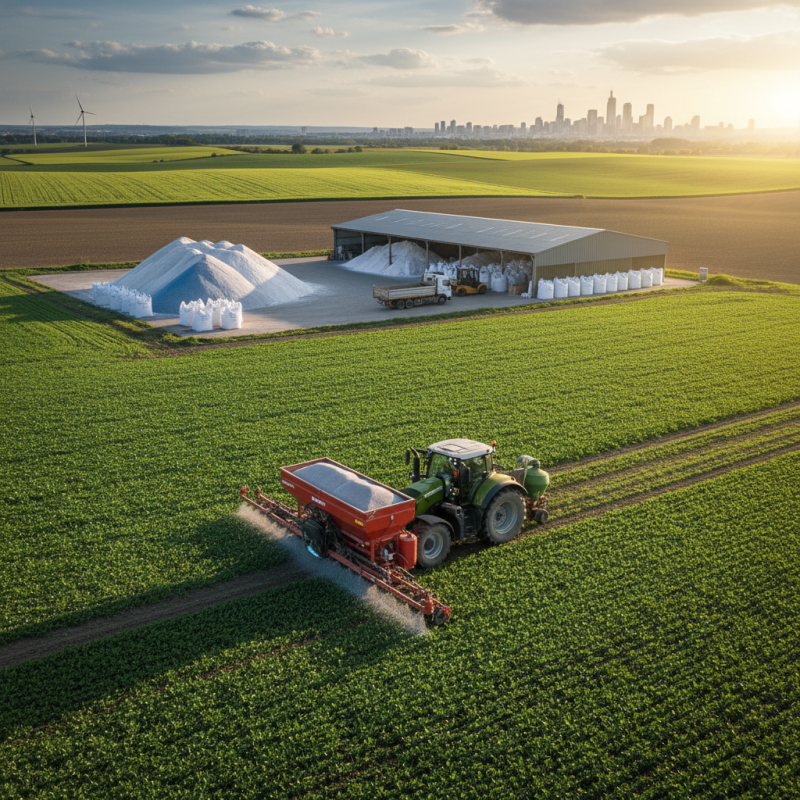
Wholesale fertilizers play a pivotal role in enhancing agricultural productivity. According to the Food and Agriculture Organization (FAO), global food production must rise by 70% to meet the demands of an anticipated 9.7 billion people by 2050. Fertilizers significantly contribute to this goal. They provide essential nutrients, such as nitrogen, phosphorus, and potassium, which are vital for plant growth and yield.
Studies show that fertilizer application can boost crop yields by 30% to 50% in many regions. For example, a report from the International Fertilizer Association highlights that every dollar spent on fertilizers can yield up to $3 in additional crop income. However, not all fertilizers are created equal. Over-reliance on chemical fertilizers can lead to soil degradation and environmental concerns. Farmers need to balance their use, integrating organic practices where possible to maintain soil health and sustainability.
The accessibility of wholesale fertilizers also supports smallholder farmers. Many small farmers struggle to access quality fertilizers. By leveraging wholesale distribution, they can obtain fertilizers at lower prices, which can enhance their overall farm productivity. Despite the benefits, it’s crucial to use fertilizers responsibly. Educating farmers about the importance of soil testing and nutrient management can optimize their use of fertilizers, further enhancing agricultural output while preserving the environment.
Types of Wholesale Fertilizers and Their Benefits for Farmers
Wholesale fertilizers play a crucial role in modern agriculture. Farmers rely on various types of fertilizers to enhance soil health. Nitrogen-based fertilizers promote vigorous plant growth. They improve crop yields significantly, especially in nutrient-deficient soils.
Phosphate fertilizers are essential for root development. They aid in flower and seed formation as well. Farmers using phosphorus can see richer harvests. Potassium fertilizers, on the other hand, strengthen plant resistance. They help crops withstand drought and diseases.
However, it's essential to use these fertilizers wisely. Overuse can lead to soil degradation and water pollution. Farmers must monitor their soil health closely. Using the right type of fertilizer can bolster sustainability. Balancing crop needs with environmental concerns is crucial.
Types of Wholesale Fertilizers and Their Benefits for Farmers
Economic Advantages of Using Wholesale Fertilizers in Farming
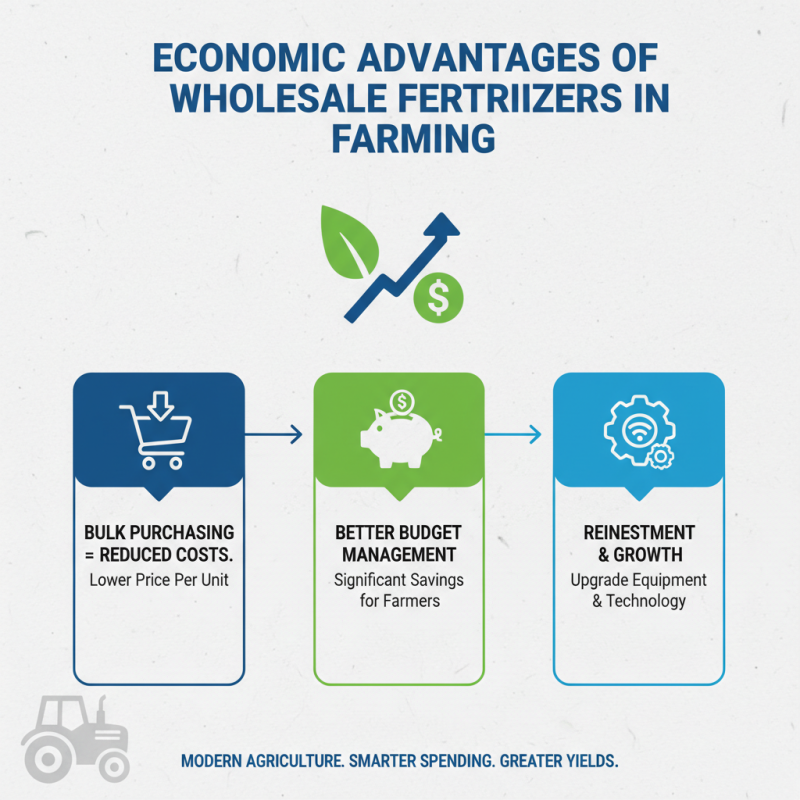
In modern agriculture, the use of wholesale fertilizers plays a crucial role. Economically, buying in bulk reduces costs significantly. Farmers can purchase larger quantities at lower prices, leading to better budget management. This financial advantage allows for the possibility of reinvesting savings into other important areas, such as equipment and technology.
Many farmers notice improved crop yields when using wholesale fertilizers. Higher yields mean more produce to sell, increasing overall revenue. However, not all fertilizer types are suitable for every crop. Selecting the right fertilizer for specific plants is essential. A poor choice can lead to wasted resources or lower-quality produce.
**Tip:** Research soil health before deciding on fertilizers. Local agricultural extension services can provide valuable insights.
Moreover, it's important to understand the environmental impacts. Over-reliance on fertilizers can lead to soil degradation. This creates a cycle of dependency that can hurt long-term sustainability. Farmers must balance short-term gains with the health of their land.
**Tip:** Consider integrating organic matter into your soil management. This can enhance soil structure and nutrient availability.
By strategically using wholesale fertilizers, farmers can maximize efficiency while keeping an eye on their land's future. Balancing economic benefits with responsible practices is key.
Environmental Impact of Wholesale Fertilizer Use in Agriculture
The use of wholesale fertilizers in agriculture has a significant environmental impact. Excessive fertilizer application can lead to nutrient runoff into water bodies. This contributes to harmful algal blooms, which deplete oxygen levels. Fish and other aquatic life suffer greatly from this process. Farmers often rely on these fertilizers for high yields, but the long-term consequences can be severe.
Improper application of fertilizers can also lead to soil degradation. The balance of nutrients in the soil can be disrupted, negatively impacting soil health and biodiversity. Over time, the effectiveness of fertilizers can decrease, leading to a cycle of dependence. Farmers may need to use even more fertilizers to achieve desired results.
Many agricultural practices need reevaluation. Integrated approaches to fertilization could reduce reliance on wholesale fertilizers. Utilizing organic alternatives or incorporating cover crops might help. These methods could enhance soil health while minimizing environmental risks. Recognizing the drawbacks of wholesale fertilizers is crucial for sustainable agriculture.
Future Trends in Wholesale Fertilizer Distribution and Usage
Wholesale fertilizer plays a crucial role in boosting agricultural productivity. With advancements in distribution methods, the future looks promising. Many farmers now prioritize effective nutrient delivery. This ensures they achieve peak crop yields while minimizing environmental impact.
Emerging trends include precision agriculture. Farmers increasingly utilize data-driven insights for tailored fertilizer applications. This approach maximizes resource efficiency and reduces waste. Technology's role in tracking soil health is also expanding. More farmers are using sensors to monitor nutrient levels. This practice allows timely adjustments for optimal growth conditions.
Tips for farmers include exploring local suppliers for better distribution options. Building relationships with distributors enhances reliability. Additionally, consider collaborating with agricultural experts to optimize fertilizer use based on specific crop needs. Engaging in community discussions can reveal new strategies and perspectives. Embracing these changes offers a pathway to a more sustainable agricultural future.
Why Wholesale Fertilizer is Essential for Modern Agriculture? - Future Trends in Wholesale Fertilizer Distribution and Usage
| Fertilizer Type |
Nutrient Composition (%) |
Typical Use |
Market Growth Rate (2023-2028) |
Sustainability Rating |
| Urea |
46-0-0 |
Cereals and Vegetables |
4.5% |
Moderate |
| NPK Fertilizer |
15-15-15 |
Row Crops |
5.2% |
High |
| Potassium Nitrate |
13-0-46 |
Fruit and Nut Trees |
3.9% |
High |
| Calcium Ammonium Nitrate |
27-0-0 + 11% Ca |
Grass and Forage Crops |
4.1% |
Moderate |
| Organic Fertilizer |
Varied |
Soil Health |
6.0% |
Very High |