2026 Best Fertilizers to Buy Online for Global Farmers?
In recent years, the agricultural industry has seen a significant shift towards online purchasing. Many farmers now prefer to buy fertilizer online due to convenience and variety. According to Dr. Emily Carter, a renowned agronomy expert, “The best fertilizers are often just a click away.” This captures the essence of the modern shopping experience for farmers globally.
Choosing the right fertilizer is crucial. It impacts crop yield and soil health. When farmers buy fertilizer online, they gain access to detailed product descriptions and user reviews. This transparency helps them make informed decisions. However, not every online platform guarantees quality and reliability. Farmers must exercise caution and do their research.
The rise of e-commerce in agriculture has opened new opportunities, but it also comes with challenges. Some may find it overwhelming to navigate the multitude of options available on various platforms. Others might have concerns about shipping times or product authenticity. As the industry evolves, staying informed about these changes is essential for every farmer aiming for success.
Overview of Fertilizer Types Suitable for Global Agriculture in 2026
As farmers navigate the complexities of global agriculture in 2026, understanding fertilizer types is essential. Organic fertilizers, composed of natural materials, enrich the soil. They improve soil structure and promote microbial activity. Chemical fertilizers, on the other hand, provide quick nutrient availability. They are often preferred for immediate crop needs. A balanced use of both can lead to optimal growth.
Choosing the right fertilizer requires careful consideration. Start by testing your soil. Knowing its nutrient composition helps in selecting appropriate fertilizers. Crop rotation can reduce nutrient depletion. It also minimizes pest and disease risks. Always follow recommended application rates to avoid over-fertilization. This practice ensures sustainability and protects the environment.
Farmers should also be aware of the local regulations regarding fertilizer use. Commit to educating yourself on trends and innovations. Staying informed can guide better decisions. Engage with agricultural communities for shared knowledge. Every farmer’s journey has areas for improvement. Embrace these changes to enhance productivity sustainably.
2026 Best Fertilizers to Buy Online for Global Farmers
| Fertilizer Type |
Nutrient Composition |
Suitable Crops |
Application Rate (kg/ha) |
Environmental Impact |
| Urea |
46-0-0 |
Cereals, Vegetables |
150-300 |
Moderate |
| Superphosphate |
0-20-0 |
Root Crops, Fruit Trees |
100-200 |
Low |
| Potassium Chloride |
0-0-60 |
Cereals, Potatoes |
100-200 |
Moderate |
| Calcium Nitrate |
15.5-0-0 + 19 Ca |
Vegetables, Flowers |
120-240 |
Low |
| Organic Compost |
Varied |
All Crops |
5-20 |
Very Low |
Key Nutrients Required for Crop Growth and Their Sources
Crop growth heavily relies on essential nutrients that maintain soil health and promote productivity. Nitrogen, phosphorus, and potassium are three primary nutrients needed for optimal plant development. According to the Food and Agriculture Organization (FAO), nitrogen aids in leaf development and photosynthesis. In contrast, phosphorus is vital for root growth and energy transfer, while potassium regulates plant water usage and disease resistance.
Organic fertilizers, such as compost and manure, provide a range of micronutrients. These additional elements include calcium, magnesium, and sulfur. A study by the International Fertilizer Association reveals that farmers utilizing organic sources can improve soil structure and microbial activity. However, the challenge lies in achieving a balanced nutrient supply. Over-fertilization can lead to nutrient runoff, harming water bodies and soil.
In some regions, farmers struggle to access quality fertilizers. This issue affects crop yields and farmer income. A report by the World Bank highlights the need for better access to agricultural resources. Collaboration between local governments and agricultural experts can foster sustainable farming practices. Establishing reliable supply chains can alleviate shortages and enhance productivity.
Top Online Retailers for Purchasing Fertilizers in 2026
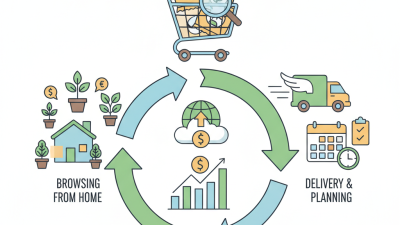
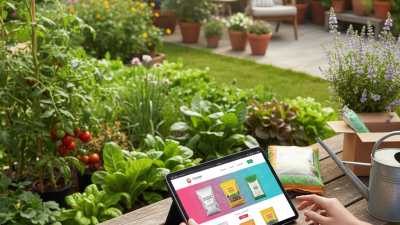
In 2026, online retailing of fertilizers has become crucial for global farmers. The convenience of shopping from home allows farmers to save time and resources. With just a few clicks, they can compare prices and read reviews. This flexibility can significantly improve their productivity. Yet, navigating the myriad of offerings can be overwhelming. Understanding which products offer the best value is not straightforward.
Top online retailers focus on providing extensive details about their offerings. They often feature user reviews that highlight real experiences. Farmers appreciate these insights as they search for reliable products. However, it’s essential to consider product suitability for specific crops and climates. Not all fertilizers will work universally. Additionally, some retailers may lack adequate customer support. This can affect timely deliveries, hindering agricultural practices.
Farmers should also remain mindful of emerging trends in fertilizer technology. Investing in eco-friendly options is a growing priority. Online platforms often highlight sustainable practices, but researching thoroughly is necessary. Making informed choices leads to better yields. Analyzing soil health and understanding nutrient requirements are vital steps. This requires patience and a willingness to adapt to new information.
Factors to Consider When Choosing Fertilizers for Different Crops
When selecting fertilizers, understanding your crop's specific needs is crucial. Different crops require varying nutrient balances. For instance, leafy vegetables often benefit from higher nitrogen levels. Meanwhile, fruiting plants may require more phosphorus and potassium. Analyzing soil health is essential before choosing a fertilizer.
Consider the source of nutrients. Organic fertilizers can improve soil structure and promote beneficial microorganisms. However, they may release nutrients slowly. Synthetic options, on the other hand, provide immediate nutrient uptake but can lead to soil degradation over time. Striking a balance between these types is important for sustainable farming.
Nutrient timing and application are also key factors. For some crops, applying fertilizer during the early growth stage is beneficial. For others, a second application may enhance yield. Farmers should also monitor the environmental impacts of their choices. Understanding how fertilizers interact with local ecosystems can prevent potential harm. Farmers must reflect on their practices and adapt as needed.
Sustainable and Eco-Friendly Fertilizer Options for Global Farmers
As global farmers strive for sustainability, eco-friendly fertilizers are gaining importance. A recent report indicates that organic fertilizers can help increase soil fertility by 20% and improve crop yields. Using natural inputs such as compost, manure, and green manure not only enhances soil health but also reduces chemical runoff. Approximately 25% of farmers are already adopting these practices, indicating a shift toward more sustainable methods.
Adopting sustainable fertilizers, like bio-based solutions, can mitigate greenhouse gas emissions. According to the International Fertilizer Association, these products can cut emissions by 30% compared to conventional fertilizers. Many farmers report improved soil structure and biodiversity. By utilizing microbial inoculants and plant extracts, they enhance nutrient availability without harming the environment.
However, transitioning to eco-friendly options is not always seamless. Farmers may face challenges like cost and access. A study from the Food and Agriculture Organization indicates that developing countries often lack the infrastructure to distribute these fertilizers effectively. Awareness and education are crucial. More support systems can help farmers overcome these hurdles. Understanding the long-term benefits of sustainable fertilizers is essential for future agricultural practices.
Best Fertilizers for Global Farmers in 2026
This chart displays the sustainability scores of various eco-friendly fertilizers for global farmers in 2026. The scores reflect their effectiveness in promoting sustainable agricultural practices.