Why Speak to a Fertilizer Supplier Before Buying?

Buying fertilizer is not simply a matter of comparing prices per tonne. A product that looks inexpensive may not fit your soil, crop, application equipment, or delivery schedule. The Food and Agriculture Organization’s World Fertilizer Trends and Outlook to 2026 projected global nutrient use would reach 191.5 million tonnes by 2026. That scale makes informed purchasing important, but the right choice still depends on local conditions.

A supplier conversation can turn a product label into a practical plan. Bring recent soil-test results, expected yield, acreage, and questions about nutrient analysis, application timing, storage, and delivery. Ask how the recommendation matches your crop needs, and request the reasoning in writing. Dr. Thomas Bruulsema’s work in 4R nutrient stewardship reflects a useful principle: “the right source, at the right rate, at the right time, and in the right place.” Use that framework to guide what you ask when you speak fertilizer professionals. Small details matter. A bag’s analysis does not tell you whether its nutrients suit your field or spreader. Nor does a quote always include freight or handling costs. No checklist removes every uncertainty. Even careful buyers may need to revise a plan when weather or field conditions change. Speaking with a qualified fertilizer supplier before buying can help expose those gaps early, compare options fairly, and make a decision grounded in evidence—not just a low price.
Why Speak to a Fertilizer Supplier Before Buying?

Understanding the Role of a Fertilizer Supplier

Why Speak to a Fertilizer Supplier Before Buying?

Understanding the Role of a Fertilizer Supplier

A fertilizer supplier can help connect a product’s nutrient analysis with the actual conditions in a field or garden. A bag marked 10-10-10, for example, lists nitrogen, phosphorus, and potassium percentages, but it does not show what the soil already contains. A supplier may review a soil test, crop type, and application method before suggesting suitable options. Bring the test results, not just a crop name. Details matter. Soil texture, recent rainfall, and planting dates can all affect how nutrients are used. Ask how much product to apply per area, and request the calculation in writing.

A knowledgeable supplier should explain trade-offs, not just point to a higher analysis or larger bag. They can clarify product storage, handling, and whether a formulation fits existing equipment. If the soil test is old or incomplete, advice may be less precise; that uncertainty deserves a clear explanation. Even experienced growers can misjudge a field by looking at leaf color alone, since several issues can cause similar symptoms. A useful conversation includes questions about timing, repeat applications, and signs of overapplication. Advice is not infallible. Compare recommendations with test results and local agricultural guidance, especially when conditions vary across a field.

Assessing Crop and Soil Needs Before Choosing a Product

A fertilizer choice should start with the crop and the soil, not a product label. Before buying, note what you plan to grow, the field’s recent yield, and any visible problems, such as pale leaves or uneven growth. These signs can suggest a nutrient issue, but they do not confirm one. A soil test gives useful measurements of nutrient levels and pH. Share the results with a fertilizer supplier and ask how the recommendations fit your crop’s growth stage, soil type, and application timing. Small details matter. Sandy soil, for example, may need a different nutrient plan from heavier soil. A supplier can help interpret options, though the final choice should reflect test results and local agronomic guidance.

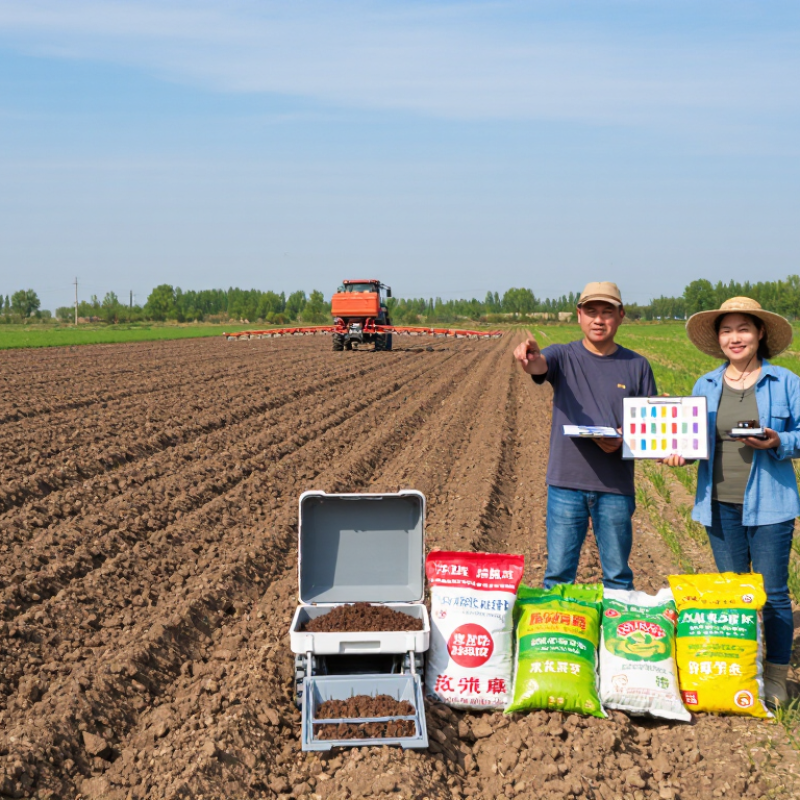
Tips: Bring your soil-test report and a list of recent fertilizer applications. Ask which nutrients the crop needs, how much to apply, and when. Check whether the advice accounts for your soil and growing conditions.

It can be tempting to choose a familiar blend and move on. I would pause before doing that. Two nearby fields may need different products, even when they grow the same crop. If test results are old, or conditions have changed, retesting may be wiser than guessing. Avoid applying extra fertilizer just to be safe; more is not always better. A clear conversation before purchase can help prevent mismatched nutrients, wasted input, and avoidable crop stress.

Why Speak to a Fertilizer Supplier Before Buying? - Assessing Crop and Soil Needs Before Choosing a Product

Assessment Area Information to Provide Example Finding How It Can Guide Product Selection
Crop and growth stage Crop species, variety if known, planting date, and current growth stage. A newly planted crop and a crop approaching flowering have different timing and nutrient-management considerations. Helps match the nutrient plan and application timing to the crop’s needs. Confirm crop-specific guidance with local recommendations.
Soil test results A recent laboratory report showing soil pH and available phosphorus and potassium, including the laboratory’s units and interpretation. A report may classify phosphorus as low, adequate, or high using locally calibrated ranges. Can help identify which nutrients are needed and avoid adding nutrients that soil tests show are already adequate or high. Test interpretations vary by region and method.
Soil pH Measured pH from a representative soil sample, along with the crop and field location. Acidic or alkaline soil conditions can affect nutrient availability; the effect depends on the crop and soil. May indicate that pH management should be assessed before choosing a fertilizer. Lime or other amendments are not substitutes for a crop-specific nutrient recommendation.
Nitrogen supply and timing Crop, expected yield, previous crop, manure or compost applications, and any locally recommended soil or plant test results. Legume residues and organic nutrient inputs may contribute nitrogen, but the amount available depends on conditions and timing. Supports a nitrogen rate and timing plan. In many systems, splitting applications can help align nitrogen availability with crop uptake and reduce losses.
Soil texture and drainage Whether soil is sandy, loamy, or clayey, plus observations of drainage and waterlogging. Sandy soils generally retain less water and nutrients than finer-textured soils, while poorly drained areas may have different management constraints. Can inform application timing, placement, and whether smaller or split applications should be considered for mobile nutrients.
Salinity and irrigation water Soil electrical conductivity (EC), if available, and irrigation-water test results where salinity is a concern. Elevated salinity can restrict plant growth; the level of concern depends on crop tolerance and the test method. Helps assess whether a fertilizer product or application plan could add to salt stress. Interpret EC results with a qualified local adviser.
Field history and nutrient inputs Previous crops, past fertilizer applications, manure or compost records, and any visible crop symptoms. Repeated nutrient additions can affect soil-test levels, while crop symptoms can have causes other than nutrient deficiency. Helps avoid duplicate applications and decide whether testing or diagnosis is needed before treating suspected deficiencies.
Application method and logistics Available equipment, fertilizer placement options, irrigation schedule, field size, and intended application dates. Broadcast, banded, and fertigation applications have different placement and operating requirements. Helps select a product form and application plan compatible with the equipment, crop, and local label directions.

Use soil and plant test results interpreted for the crop and region. Product rates should follow locally calibrated recommendations and applicable label directions.

Comparing Nutrient Formulations and Application Requirements

Two fertilizer blends can show similar N-P-K numbers yet suit different soils and crops. The label is a starting point, not the whole story. Ask a supplier how the nitrogen is released, whether phosphorus or potassium levels match a recent soil test, and what micronutrients are included. A bag with more nutrients is not automatically the better choice. Excess nutrients can be wasted or may harm plants.

Application details matter just as much. Granules may need watering in, while liquid products often require careful dilution and even coverage. Ask about timing, application rate, and whether the product fits your spreader or irrigation setup. For example, a lawn spreader setting that works for one granule size may distribute another unevenly. Small differences matter.

Bring the soil-test results, crop details, and approximate area when you speak with a supplier. Their recommendations should explain the reasoning, not just point to a product. If the advice conflicts with your test results, ask why. Sometimes the answer is less tidy than a label suggests, and that is worth checking before you buy.

Why Speak to a Fertilizer Supplier Before Buying?

Comparing Nutrient Formulations and Application Requirements

Fertilizer grades show the percentage of nitrogen (N), phosphate (P₂O₅), and potash (K₂O) by weight. These common formulations differ substantially: for example, urea is nitrogen-focused, while 10-10-10 supplies all three nutrients equally. A supplier can help match a formulation and application rate to your soil test, crop, and application method.

Checking Product Safety, Availability, and Delivery Details

Why Speak to a Fertilizer Supplier Before Buying?
Checking Product Safety, Availability, and Delivery Details

Before ordering, ask for the product’s current safety data sheet and nutrient analysis. Check that the grade matches your soil-test results and intended application. A batch certificate can help confirm the stated nutrient content; ask whether it is available for the lot being supplied. Review handling instructions, too. Damp granules can cake in storage, while dusty products may need different precautions. The FAO’s International Code of Conduct for the Sustainable Use and Management of Fertilizers emphasizes product quality, safe handling, and responsible use. Paperwork matters.

Availability needs the same close attention. The International Fertilizer Association’s 2024 outlook estimated global fertilizer consumption at about 192 million tonnes of nutrients in 2023/24. That scale does not guarantee a specific grade is locally available when you need it. Ask about confirmed stock, order cut-off dates, minimum quantities, and whether the quoted product may be substituted. Get the product grade and quantity in writing. Small detail. Check twice.

Delivery terms can affect field plans. Confirm the dispatch date, delivery window, unloading requirements, and who handles delays or damaged bags. Check whether the truck can reach your storage area, especially after rain or on narrow farm roads. I still think delivery windows are treated too casually. A few days can matter when planting schedules are tight. Suppliers may not control every disruption, so ask what updates they provide if the date changes. Compare the written terms, not only the quoted price.

Confirming Costs and Ongoing Supplier Support

Before buying fertilizer, confirm the full delivered cost, not just the price per tonne. Ask for a written quote with product grade, nutrient analysis, quantity, freight, handling fees, and delivery date. Get it in writing. Check how long the quote remains valid and whether fuel or transport surcharges can change the final bill. A small fee can matter when several loads are involved.

Prices and availability can shift with demand and supply conditions. FAO’s June 2023 Food Outlook forecast global fertilizer use at 185.1 million tonnes of nutrients in 2023, down 0.2% from 2022. That modest change still shows why a quote needs a date and clear terms. Ask whether the supplier can explain price adjustments and notify you before a shipment is delayed or substituted.

Ongoing support matters after the order is placed. Confirm who answers questions about product specifications, storage, delivery changes, and required documentation. Ask for a named contact and a realistic response time, rather than assuming help will be immediate. Keep delivery records and compare the received product label with the agreed specification. One uncomfortable point: a low quote is not useful if support disappears when plans change. Supplier commitments should be specific, but growers should still check each delivery carefully.