Who Are the Top Fertilizer Distributors in China?
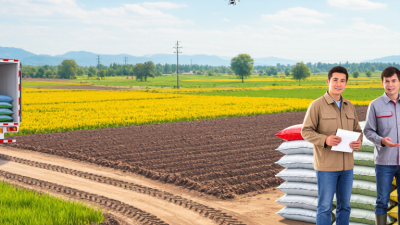
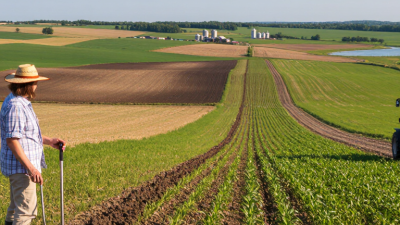
China’s fertilizer market is vast, regional, and shaped by differences in crops, soil, transport, and farming seasons. A fertilizer distributor may serve large agricultural companies, local retailers, or growers directly. The biggest name is not automatically the best fit. Reach matters, but so do product consistency, delivery reliability, and technical support.
This guide examines how leading distributors operate and what buyers can reasonably compare. It considers national coverage, product range, storage and logistics, farmer services, and the ability to supply key nutrients when seasonal demand rises. A full warehouse near a regional market can matter more than a famous brand hundreds of miles away. So can clear product documentation and dependable advice on application. Small details count.
There is no single public ranking that captures every distributor’s performance across China. Market position can shift, and reported sales may not reveal service quality in a particular province. This article therefore treats “top” as a practical assessment, not a definitive league table. Readers should confirm current product specifications, regional availability, and supplier credentials before making decisions. Even careful comparisons leave gaps. That is worth remembering.
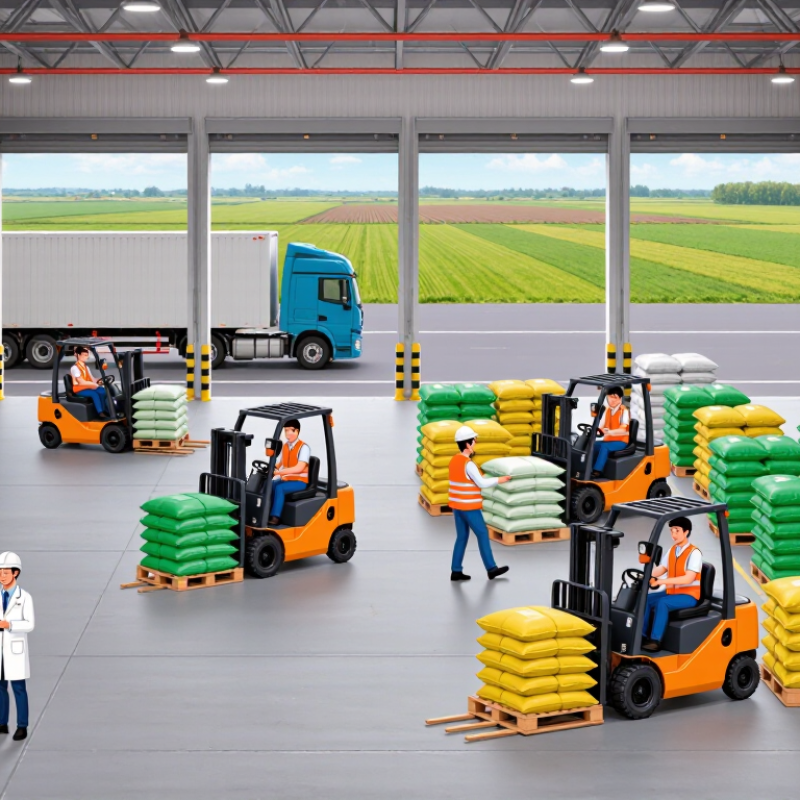
What Defines a Leading Fertilizer Distributor in China?
A leading fertilizer distributor in China is not defined by sales volume alone. Buyers need dependable supply, clear product information, and guidance suited to local crops and soils. A knowledgeable distributor should explain nutrient analysis, application timing, storage needs, and the documents accompanying each batch. These details matter when planting windows are short and delayed deliveries can disrupt field work. Good advice should be practical, not just persuasive.
Reliable operations are another defining feature. Look for consistent order updates, suitable storage, and delivery plans that account for seasonal demand. A strong distributor can also connect product recommendations with soil-test results, while avoiding promises of guaranteed yields. Technical support should continue after purchase, especially when farmers have questions about handling or application. A polished sales pitch is not enough. Even a capable distributor may miss a delivery window; no system is flawless. I would judge a partner by how clearly it communicates and responds when problems occur.
Tips: Check batch details, delivery terms, and storage conditions before ordering. Ask for written nutrient specifications. Compare advice with soil-test findings, and keep a record of application dates and results.
How China’s Fertilizer Distribution Network Operates
Who Are the Top Fertilizer Distributors in China?
How China’s Fertilizer Distribution Network Operates
China’s fertilizer distribution network links producers and import channels with regional wholesalers, county-level dealers, cooperatives, and farms. Each layer helps move products closer to where crops are grown. The structure varies by province, crop, and transport access.
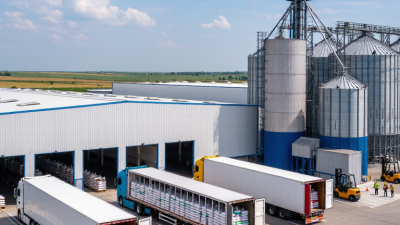
Regional wholesalers often manage bulk storage and coordinate deliveries to smaller outlets. County dealers then supply nearby growers, sometimes arranging delivery by truck directly to a farm. Timing matters. Spring planting can bring a sharp rise in demand, while distant rural areas may face slower deliveries during bad weather. Local inventory helps, but it can also leave dealers holding products after demand shifts.
Cooperatives and agricultural service providers may consolidate orders or offer application guidance. Reliable distributors should provide clear product labels, batch information, and practical storage instructions. Growers can compare recommendations with soil tests and local crop needs rather than relying on a single sales pitch. Records matter. Digital ordering and inventory tools are improving visibility, though smaller outlets may still depend on phone calls and paper notes. The network is not perfectly even, and that unevenness can affect availability.
How China’s Fertilizer Distribution Network Operates
Agricultural fertilizer use provides a useful indicator of the demand served by China’s distribution network.
Fertilizer use declined from 56.53 million tonnes in 2018 to 50.79 million tonnes in 2022. This national consumption measure indicates market demand; it is not a measure of distributor sales or market share.
Source: National Bureau of Statistics of China, China Statistical Yearbook. Agricultural chemical fertilizer use, converted to pure nutrient; figures in 10,000 tonnes.
Who Are the Major Fertilizer Distributors in China?
China’s major fertilizer distributors are best understood as a network, not a fixed ranking. The market is layered. Large national and provincial agricultural-input networks move bulk products between production hubs and regional warehouses. County-level wholesalers then supply local retailers, cooperatives, and farm-service providers. Their reach matters because fertilizer demand changes with crop type, soil conditions, and planting calendars.
In practice, a distributor’s strength shows up in ordinary details: stocked bags before spring planting, clear nutrient labels, and deliveries that reach a village on time. Some networks also offer soil testing, application guidance, or coordinated purchasing for farmer groups. Digital ordering is growing, but it does not replace local storage and trusted advice. A phone signal cannot unload a truck. Regional distributors often understand local crops better than distant sellers, while larger networks may handle broader supply volumes. Neither advantage guarantees consistent service. Public information on distributor rankings and sales coverage can be uneven, so claims about the “top” firms deserve careful checking. That is an imperfect picture, but it reflects how fertilizer reaches farms across China.
How to Compare Fertilizer Distributors in China?
How to Compare Fertilizer Distributors in China?
Compare distributors on product fit, delivery reliability, technical support, and transparent pricing—not headline discounts alone. Ask for current product specifications, batch test records, and clear guidance on storage and application. Check whether the supplier can serve your province during peak planting periods. A low quote means little if bags arrive late or product quality varies. Details matter.
The International Fertilizer Association’s 2024 outlook estimated global fertilizer use would rise about 4% in 2024, to roughly 205 million tonnes of nutrients.
That changing demand makes inventory planning and delivery capacity worth checking. Request recent on-time delivery figures, typical lead times, and written procedures for handling complaints. Compare quotes on the same nutrient content, packaging, and delivery terms; otherwise, the numbers can mislead. Ask for references from customers with similar crops and order sizes, then verify them where practical. I’d also review how the distributor explains product limitations. A polished sales sheet is not field evidence. Some details remain hard to judge before a full season, so begin with a manageable order and record what actually arrives.