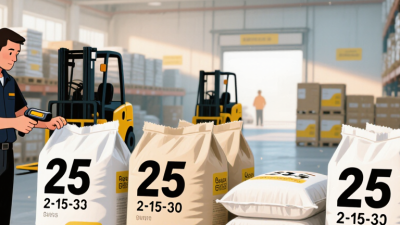
Why Buy Fertilizer Online?
Fertilizer choices affect crop growth, soil health, and seasonal costs. FAO’s World Fertilizer Trends and Outlook to 2026 estimated global nutrient consumption at about 202 million tonnes in 2022. That scale matters. For growers, the right product still depends on soil conditions, crop needs, and application timing—not just price. Buying online can make it easier to compare nutrient analyses, package sizes, and delivery options before placing an order. Clear product labels help. So do accessible technical sheets and support from knowledgeable sellers.
Online commerce is established, but fertilizer-specific evidence deserves care. UNCTAD reported that global e-commerce sales reached $26.7 trillion in 2019, across business-to-business and business-to-consumer transactions. That figure does not measure fertilizer sales. It does show how widely digital purchasing is used. When you buy fertilizer online, compare the guaranteed analysis, shipping costs, and delivery estimates—not only the headline price. Check whether the product suits your crop and local conditions. A low-cost bag can be the wrong choice. Product pages can also leave questions unanswered; I would verify unclear details with a qualified agricultural adviser or the supplier before buying. Convenience helps, but it cannot replace sound agronomic judgment.

How Online Fertilizer Retailing Works
Why Buy Fertilizer Online?
How Online Fertilizer Retailing Works
Online fertilizer retailing begins with choosing a product for a specific crop, soil, or gardening task. A useful listing shows its nutrient analysis, recommended application rate, and whether it is granular or water-soluble. These details help shoppers compare products without relying on package color or broad claims. A recent soil test can make that choice more informed.
Before ordering, check the label and read the full product description. Look for clear instructions, storage guidance, and shipping details, including bag size and delivery timing. Some products are bulky, and a small price difference may disappear once freight is added. That matters. Online descriptions can make fertilizer seem simpler than it is; nutrient needs vary with soil, plant growth, and weather. When rates are unclear, ask the seller or a qualified local adviser rather than guessing.
After checkout, the retailer typically confirms the order, prepares the package, and provides tracking information. On arrival, inspect the bag for damage and keep it sealed in a dry place, away from children and pets. Not always. Delivery dates can shift during busy seasons, so avoid ordering at the last minute. Record the product analysis and application date; those notes can help guide future soil and feeding decisions.
Accessing a Wider Range of Fertilizer Types
Buying fertilizer online can expose growers to more than familiar all-purpose N-P-K blends. Catalogs may include single-nutrient products, liquid feeds, controlled-release granules, and micronutrient mixes. That range matters. A sandy garden bed, for example, may need a different formulation from a container crop watered often. Product labels also make nutrient percentages easier to compare side by side.
The International Fertilizer Association’s 2024 medium-term outlook estimated global fertilizer use at about 192.5 million tonnes of nutrients in 2023, spanning nitrogen, phosphate, and potash. Those broad categories contain many formulations, but a larger menu does not guarantee a better choice. Soil tests, crop needs, and application timing still guide selection. Check the guaranteed analysis, recommended rate, and whether the product suits your equipment. I find this part less tidy than product listings suggest: labels can look comparable while nutrient forms and release speeds differ. FAO’s fertilizer guidance also emphasizes matching nutrient application to local soil and crop conditions, rather than choosing by price or headline nutrient content alone.
| Fertilizer Type | Common Nutrient Grade | Main Nutrient Contribution | Common Form | What You Can Compare Online |
|---|---|---|---|---|
| Urea | 46-0-0 | Nitrogen for leafy growth and overall plant development | Granules or prills | Nitrogen concentration, particle size, and product instructions |
| Ammonium Sulfate | 21-0-0 | Nitrogen and sulfur | Crystals or granules | Sulfur content, grade, and suitability for the intended application |
| Diammonium Phosphate (DAP) | 18-46-0 | Nitrogen and phosphate | Granules | Nutrient ratio, application guidance, and available package sizes |
| Monoammonium Phosphate (MAP) | 11-52-0 | Nitrogen and phosphate | Granules or water-soluble forms | Grade, solubility, and suitability for soil or fertigation use |
| Muriate of Potash (MOP) | 0-0-60 | Potassium, expressed as potash (K2O) | Granules or crystals | Potassium grade, chloride content, and application directions |
| Sulfate of Potash (SOP) | 0-0-50 | Potassium and sulfur | Granules or water-soluble forms | Potassium and sulfur content, solubility, and intended use |
| Triple Superphosphate (TSP) | 0-46-0 | Phosphate | Granules | Phosphate grade and comparison with other phosphorus sources |
| Calcium Nitrate | Common grades include 15.5-0-0 | Nitrogen and calcium; exact calcium content varies by product | Granules or water-soluble crystals | Guaranteed nutrient analysis, solubility, and crop-specific directions |
| Complete NPK Fertilizer | Varies by formulation, such as 10-10-10 | Nitrogen, phosphate, and potash in one product | Granules, liquid, or water-soluble powder | Different nutrient ratios and forms for different soil or crop needs |
| Nutrient grades are commonly stated as percentages by weight in the order N–P2O5–K2O. Grades and formulations can vary; check each product’s guaranteed analysis and label before use. | ||||
Comparing Product Labels, Prices, and Customer Reviews
When buying fertilizer online, compare the guaranteed analysis before comparing the bag price. The three numbers on the label show percentages of nitrogen, phosphate, and potash by weight. A 10-pound bag labeled 10-10-10 contains one pound of each nutrient. Check the application directions, too; concentrated products may need less per square foot. Small print matters.
The USDA’s 2022 Census of Agriculture reported about $36.8 billion in U.S. farm spending on fertilizer, lime, and soil conditioners. That scale makes price comparisons useful, but a low sticker price can mislead. Calculate cost per pound of the nutrient you actually need, and include shipping. Soil-test results can help prevent paying for nutrients your garden lacks. A label is not a soil test.
Customer reviews can flag practical details, such as torn packaging, clumped granules, or unclear instructions. They cannot verify nutrient content. Reviews may also describe different soils, climates, and application rates. I’d treat repeated, specific comments as clues, not proof. It is easy to overvalue a five-star rating and overlook the label. Compare the analysis, directions, total delivered cost, and review patterns together.
Evaluating Retailer Reliability and Delivery Options
Why Buy Fertilizer Online?
Buying fertilizer online can make comparing nutrient ratios and package sizes easier. But a clear product page is only part of a dependable purchase. Check whether the retailer lists the fertilizer’s analysis, intended use, package weight, and storage guidance. Look for a working customer service contact and a clear process for damaged or missing orders. Reviews can offer clues, but read recent comments about delivery and problem resolution, not just star ratings. A polished website is not proof of reliable service. It is easy to overlook that.
Tips: Check the delivery estimate before ordering. Confirm whether the carrier can leave heavy bags at your address. Save the order confirmation and inspect each bag for tears or moisture when it arrives.
Delivery details matter because fertilizer is heavy and should stay dry. Compare shipping costs alongside the listed price; a low-cost bag may become less affordable after freight charges. If you need it for a specific planting window, allow extra time for delays and avoid ordering at the last minute. Check whether delivery requires someone to be home, especially if your entrance is shared or difficult to access. Retailer policies can be vague, and that is worth questioning. A quick message before checkout may clarify how the shipment is tracked, where it will be placed, and what happens if the parcel arrives damaged.
Planning for Safe Delivery, Storage, and Application
Why Buy Fertilizer Online?
Planning for Safe Delivery, Storage, and Application
Online ordering makes it easier to compare nutrient analyses, package sizes, and delivery dates. Before checkout, match the product to a soil test and the plants you plan to feed. Read the label and safety data sheet, if available. A low price is not useful if the formulation does not suit your garden.
Plan for the parcel to arrive when someone can inspect it. Check the package. If it is torn, damp, or leaking, avoid loose material and contact the seller for instructions. Store fertilizer in its original, labeled container, in a cool, dry, ventilated place. Keep it away from children, pets, food, animal feed, and fuels. Keep it dry. A shed may seem secure, but condensation and summer heat can still damage some products.
Before applying fertilizer, read the label again; rates and precautions vary by formulation. Wear the specified protective gear, measure carefully, and use a clean, calibrated spreader for granular products. Avoid windy conditions and heavy rain, which can carry material into drains or waterways. Sweep stray granules from paths, then wash your hands.
It is easy to rush the measuring step. That is worth reconsidering.
Related Posts
-
7 Tips for Choosing Wholesale Fertilizer Suppliers
-

2026 Best Wholesale Fertilizer Distributors Worldwide
-
What is the Role of Wholesale Fertilizer Suppliers?
-
2026 Best Fertilizer Shop Near Me for Global Buyers?
-
Top 10 Fertilizer Stores Near Me Which One Is Best?
-
Top 10 Fertilizer Companies Worldwide for Global Buyers